
Clumping bamboo spreads slowly via rhizomes, while running bamboo spreads aggressively. Choose clumping types like Fargesia for gardens, as they’re non-invasive. Control running bamboo with barriers, such as 24-30 inch deep root barriers, or grow in large containers. Regular pruning also helps manage growth.
How to propagate clumping bamboo
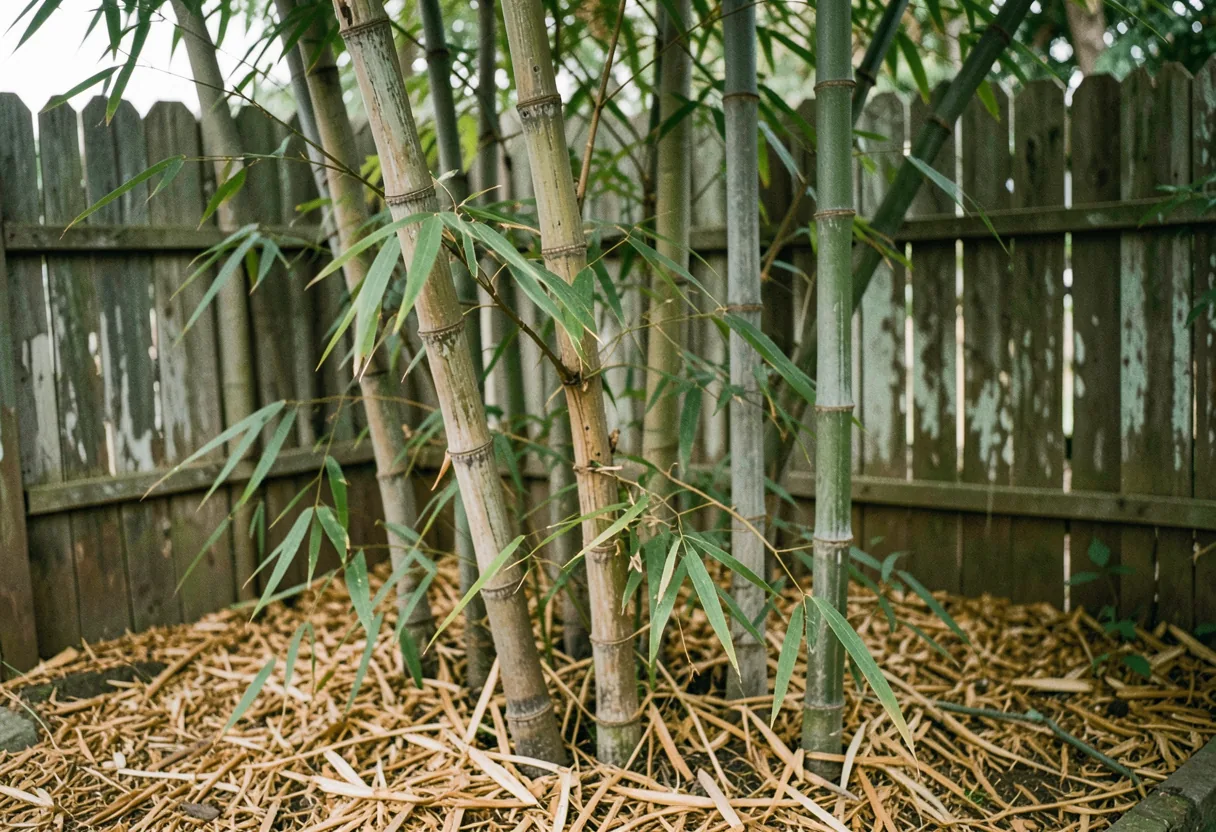
Propagating clumping bamboo is the process of creating new plants from an existing mature clump, typically through division, which is the most reliable method for home gardeners.
Think of propagating clumping bamboo like dividing a potted plant. Just as you’d separate a crowded houseplant into smaller pots to rejuvenate it, you divide a bamboo clump to create new, independent plants.
Key facts
- Clumping bamboo, or “non-invasive bamboo,” spreads through short rhizomes that stay close to the parent plant.
- Division is the most common propagation method, as it produces genetically identical offspring quickly.
- Bamboo typically reaches full maturity in 3-5 years, depending on the species and growing conditions.
- The ideal time to propagate clumping bamboo is in early spring, just as new shoots begin to emerge.
What you need
- A mature, healthy clumping bamboo plant (at least 3-5 years old)
- A sharp spade or shovel
- A clean, sharp knife or pruning saw
- Compost or organic matter for soil amendment
- Mulch (wood chips, straw, or leaves)
- Watering can or hose with adjustable nozzle
- Timing: Divide clumping bamboo in early spring before new growth begins. This gives the plant time to establish roots before winter.
- Select a healthy parent plant: Choose a mature, healthy clump with several strong culms. Avoid plants showing signs of disease or pest infestation.
- Dig carefully: Use a sharp spade to dig around the outer edge of the clump. Work your way inward, careful not to damage the rhizomes. Lift the entire clump out of the ground.
- Divide the clump: Use a clean, sharp knife or pruning saw to divide the clump into smaller sections. Each section should have at least three culms and a healthy root system.
- Prepare the new site: Dig a hole twice as wide as the root ball of your divided section. Amend the soil with compost or organic matter to improve drainage and fertility.
- Plant the division: Place the divided section in the hole, ensuring the crown (the point where the culms meet the roots) is level with the soil surface. Backfill with native soil and water thoroughly.
- Mulch and water: Apply a 2-3 inch layer of mulch around the base of the plant to retain moisture and suppress weeds. Water deeply once a week for the first month to help establish the roots.
- Monitor growth: Keep an eye on the new plant for signs of stress or pest infestation. Prune any dead or damaged culms to encourage healthy growth.
Common mistakes to avoid
One of the most frequent errors is dividing bamboo too late in the season. If done in late summer or fall, the plant may not have enough time to establish roots before winter, leading to poor survival rates. Additionally, using dull or dirty tools can introduce diseases or cause unnecessary damage to the rhizomes. Always sterilize your tools with rubbing alcohol before starting.
How to care for running bamboo in containers
Growing running bamboo in containers is an excellent way to enjoy its beauty without worrying about invasive spread. Here’s how to care for running bamboo in containers:
- Choose the right container: Select a large, sturdy container with drainage holes. The container should be at least 24 inches deep and wide to accommodate the bamboo’s root system.
- Select a suitable species: Not all running bamboo species thrive in containers. Opt for smaller varieties like Phyllostachys bambusoides or Pleioblastus pygmaeus, which are better suited to container growth.
- Use well-draining soil: Fill the container with a well-draining potting mix amended with compost or organic matter. Bamboo prefers slightly acidic to neutral soil pH (6.0-7.0).
- Plant properly: Place the bamboo plant in the container, ensuring the crown is level with the soil surface. Backfill with potting mix and water thoroughly.
- Water regularly: Container-grown bamboo requires consistent moisture. Water deeply once a week, or more frequently during hot, dry weather. Allow the top inch of soil to dry out between waterings.
- Fertilize as needed: Apply a balanced, slow-release fertilizer in early spring and mid-summer. Follow the manufacturer’s instructions for application rates. Over-fertilizing can lead to excessive growth and nutrient burn.
- Prune for shape and size: Regular pruning helps maintain the bamboo’s size and shape. Remove any dead, damaged, or overcrowded culms to encourage healthy growth. Prune in late winter or early spring before new growth begins.
- Monitor for pests and diseases: Inspect the bamboo regularly for signs of pest infestation or disease. Common pests include spider mites, aphids, and scale insects. Treat with insecticidal soap or neem oil as needed.
- Overwintering: In colder climates, protect container-grown bamboo from freezing temperatures. Move the container to a sheltered location, such as a garage or shed, and insulate the roots with straw or bubble wrap.
For more tips on growing bamboo in containers, see .
How to use bamboo for erosion control
Bamboo’s fast growth and extensive root systems make it an excellent choice for erosion control. Here’s how to use bamboo to combat soil erosion:
- Assess the site: Evaluate the area prone to erosion. Note the slope, soil type, and water flow patterns. Choose a bamboo species suited to your climate and soil conditions.
- Select the right species: Opt for clumping bamboo species with strong root systems, such as Bambusa multiplex or Dendrocalamus strictus. These species form dense groves that stabilize the soil.
- Prepare the site: Clear the area of weeds and debris. Remove any large rocks or obstacles that may impede planting. Amend the soil with compost or organic matter to improve fertility and drainage.
- Plant strategically: Space the bamboo plants according to their mature size. For erosion control, plant them in a staggered pattern to create a dense barrier. Ensure the crown is level with the soil surface.
- Install erosion control mats: For steep slopes, consider using erosion control mats or biodegradable blankets. These mats help stabilize the soil and promote bamboo root growth. Secure the mats with biodegradable stakes or pins.
- Water regularly: Keep the bamboo well-watered during the establishment period. Water deeply once a week, or more frequently during hot, dry weather. Allow the top inch of soil to dry out between waterings.
- Mulch the area: Apply a 2-3 inch layer of mulch around the base of the bamboo plants. Mulch helps retain moisture, suppress weeds, and regulate soil temperature. Use organic mulch, such as wood chips or straw.
- Monitor growth: Inspect the bamboo regularly for signs of stress or pest infestation. Prune any dead, damaged, or overcrowded culms to encourage healthy growth. Monitor the erosion-prone area for signs of soil stabilization.
- Maintain the barrier: As the bamboo matures, it will form a dense grove that effectively controls erosion. Continue to monitor the area and maintain the bamboo barrier as needed. Prune any invasive growth and remove weeds that may compete with the bamboo.
For more information on using bamboo for erosion control, see .
How to choose the best bamboo for privacy screens
Choosing the right bamboo for privacy screens depends on your space, climate, and maintenance preferences. Here are some factors to consider:
- Height: Select a bamboo species that reaches the desired height for your privacy screen. Running bamboo species, such as Phyllostachys aurea, can grow up to 30 feet tall, while clumping species like Bambusa multiplex typically reach 15-20 feet.
- Growth rate: Running bamboo grows faster than clumping types, making it ideal for quick privacy screens. However, clumping bamboo offers easier maintenance and is better suited to small spaces.
- Climate suitability: Choose a bamboo species suited to your local climate. Clumping bamboo thrives in USDA zones 6-11, while running bamboo prefers zones 5-10. Cold-hardy clumping varieties, like Fargesia species, can survive in zone 5.
- Maintenance: Clumping bamboo requires minimal maintenance, while running types need regular monitoring and containment. Consider your willingness to maintain the bamboo screen before making a choice.
- Local regulations: Some regions have restrictions on running bamboo due to its invasive potential. Verify local regulations before planting.
For a list of the best bamboo species for privacy screens, see this guide.
How to propagate bamboo from seed
While division is the most common method for propagating bamboo, growing bamboo from seed can be a rewarding process, particularly for species that do not produce viable offsets. Here’s how to propagate bamboo from seed:
- Collect seeds: Gather fresh bamboo seeds from mature seed heads. The seeds should be plump and free from cracks or damage. Harvest seeds in late summer or early fall when they are fully ripened.
- Prepare seeds: Soak the seeds in warm water for 24 hours to soften the seed coat and improve germination rates. After soaking, rinse the seeds thoroughly to remove any remaining pulp or debris.
- Stratify seeds (if needed): Some bamboo species require stratification, a process that mimics the natural wintering period. Place the seeds in a sealed container with a moist growing medium, such as vermiculite or sand, and refrigerate for 30-60 days.
- Sow seeds: Fill seed trays or small pots with a well-draining seed-starting mix. Sow the seeds on the surface of the soil, lightly pressing them into the mix. Do not cover the seeds with soil, as they require light to germinate.
- Water gently: Mist the seeds with water to keep the soil moist but not waterlogged. Use a spray bottle to avoid displacing the seeds. Maintain consistent moisture throughout the germination period.
- Provide warmth: Place the seed trays in a warm location with temperatures between 70-75°F (21-24°C). Use a heat mat or grow lights to maintain optimal conditions. Germination typically occurs within 2-4 weeks, depending on the species.
- Transplant seedlings: Once the seedlings have developed their first set of true leaves, transplant them into individual pots filled with a well-draining potting mix. Handle the seedlings carefully to avoid damaging their delicate roots.
- Acclimate seedlings: Gradually acclimate the seedlings to outdoor conditions by placing them in a sheltered location for a few hours each day. Increase the exposure to sunlight and wind over a period of 1-2 weeks.
- Plant outdoors: Transplant the acclimated seedlings into the garden or containers, following the same planting guidelines as mature bamboo plants. Provide adequate water and mulch to support their growth.
How to propagate clumping bamboo for commercial use
For commercial growers, propagating clumping bamboo on a large scale requires a systematic approach to ensure consistent quality and quantity. Here’s how to propagate clumping bamboo for commercial purposes:
- Select high-quality parent plants: Choose mature, healthy clumps with strong culms and robust root systems. Ensure the parent plants are free from diseases and pests to maintain genetic integrity.
- Plan the propagation schedule: Time the division process to coincide with the early spring growth spurt. This allows the divided sections to establish roots quickly and enter winter with sufficient energy reserves.
- Prepare the propagation area: Clear the site of weeds and debris. Amend the soil with compost or organic matter to improve drainage and fertility. Ensure the area receives adequate sunlight and has access to water.
- Divide the clumps: Use a sharp spade or excavator to carefully lift the entire clump out of the ground. Divide the clump into smaller sections, each containing at least three culms and a healthy root system. Use a clean, sharp knife or pruning saw to minimize damage.
- Plant the divisions: Dig holes twice as wide as the root ball of each divided section. Place the sections in the holes, ensuring the crown is level with the soil surface. Backfill with native soil and water thoroughly to eliminate air pockets.
- Mulch and irrigate: Apply a 2-3 inch layer of mulch around the base of each plant to retain moisture and suppress weeds. Install a drip irrigation system to provide consistent watering. Water deeply once a week, or more frequently during hot, dry weather.
- Monitor growth: Inspect the plants regularly for signs of stress, pests, or diseases. Prune any dead or damaged culms to encourage healthy growth. Apply a balanced, slow-release fertilizer in early spring and mid-summer to support vigorous development.
- Harvest and sell: Once the bamboo reaches marketable size, typically within 3-5 years, harvest the culms using a sharp saw or cutter. Bundle the culms and prepare them for sale. Ensure the bamboo is properly labeled with species, size, and care instructions.
- Maintain the plantation: Continue to monitor the remaining plants for growth and health. Remove any invasive species or weeds that may compete with the bamboo. Rotate the planting areas to prevent soil depletion and maintain productivity.
How to propagate bamboo from cuttings
Propagating bamboo from cuttings is another effective method, particularly for species that do not produce viable seeds or offsets. Here’s how to propagate bamboo from cuttings:
- Select healthy culms: Choose mature, healthy culms from the parent plant. The culms should be free from diseases, pests, and physical damage. Opt for culms that are 1-2 years old, as they are more likely to root successfully.
- Prepare the cuttings: Cut the culms into sections, each containing 2-3 nodes. Nodes are the points on the culm where leaves and branches grow. Ensure each cutting has at least one node at the base, as this is where the roots will emerge.
- Remove leaves and branches: Trim off any leaves and branches from the lower half of the cutting. This reduces water loss and directs the plant’s energy towards root development. Leave a few leaves at the top to support photosynthesis.
- Apply rooting hormone: Dip the base of the cutting in a rooting hormone powder or gel. Rooting hormones contain auxins, which stimulate root growth and improve the chances of successful propagation.
- Plant the cuttings: Fill a seed tray or small pots with a well-draining potting mix. Plant the cuttings in the mix, ensuring the base of the cutting is firmly in contact with the soil. Water thoroughly to settle the soil around the cuttings.
- Provide optimal conditions: Place the cuttings in a warm, humid environment with temperatures between 70-75°F (21-24°C). Use a humidity dome or plastic wrap to maintain high humidity levels. Keep the cuttings out of direct sunlight to prevent stress.
- Monitor moisture: Keep the potting mix consistently moist but not waterlogged. Water the cuttings regularly, allowing the top inch of soil to dry out between waterings. Avoid overwatering, as it can lead to root rot.
- Transplant seedlings: Once the cuttings have developed a strong root system, typically within 4-8 weeks, transplant them into individual pots filled with a well-draining potting mix. Handle the cuttings carefully to avoid damaging their delicate roots.
- Acclimate seedlings: Gradually acclimate the seedlings to outdoor conditions by placing them in a sheltered location for a few hours each day. Increase the exposure to sunlight and wind over a period of 1-2 weeks.
- Plant outdoors: Transplant the acclimated seedlings into the garden or containers, following the same planting guidelines as mature bamboo plants. Provide adequate water and mulch to support their growth.
The first time I really looked at bamboo cuttings, I was struck by how much they resemble tiny, dormant plants waiting for their chance to grow. This method, while requiring patience, offers a rewarding way to propagate bamboo, especially for species that are challenging to grow from seed or division.
Final takeawayFrequently asked questions
What is the famous street in Higashiyama?
The famous street in Higashiyama is Hanamikoji Street, known for its traditional machiya houses, tea shops, and temples. It's particularly lively during festivals and offers a glimpse into Kyoto's historic charm.
What is the 1000 year old shop in Kyoto?
One of the oldest shops in Kyoto is Ninenzaka Yorozuya, founded in 1096. It specializes in traditional Japanese sweets and offers a unique historical experience in the heart of Kyoto.
Is it worth going to the bamboo forest in Kyoto?
Yes, the Arashiyama Bamboo Grove is a must-visit. Its towering bamboo stalks create a serene, almost surreal atmosphere, especially at sunrise or sunset. The grove is free to enter and pairs well with nearby temples and gardens.
What is Higashiyama Kyoto known for?
Higashiyama is known for its well-preserved traditional streets, historic temples like Kiyomizu-dera, and the famous Gion district. It's a hub for experiencing Kyoto's cultural heritage, with numerous teahouses and shops selling traditional crafts.