
For small gardens and containers, choose clumping bamboo species like Bambusa multiplex or Fargesia rufa. These non-invasive varieties grow slowly, reaching heights of 10-20 feet and 10 feet respectively. Their compact size and manageable spread make them ideal for confined spaces.
The best clumping bamboo species for small gardens and containers are non-invasive plants that thrive in compact spaces without spreading aggressively.
Think of these bamboos like well-behaved pets, they stay where you put them and don’t wander off, unlike their running cousins.
Key facts
- Clumping bamboo grows in tight clusters, making it ideal for small spaces.
- These species rarely spread beyond their planted area, eliminating the need for root barriers.
- They can be grown in containers, on patios, or in garden beds without causing overgrowth issues.
- Popular varieties include Bambusa multiplex and Fargesia species, known for their hardiness and beauty.
Best clumping bamboo species for small gardens and containers
Fargesia murielae
Fargesia murielae, also known as Umbrella Bamboo, is a versatile and popular choice for small gardens and containers. It features slender, arching culms and vibrant green foliage, making it an attractive addition to any outdoor space. This species is particularly well-suited for colder climates, as it can withstand temperatures as low as -15°C (5°F). Its compact growth habit makes it ideal for container gardening, and it requires minimal maintenance.
The main drawback of Fargesia murielae is its relatively slow growth rate compared to some other clumping bamboo species. However, its hardiness and aesthetic appeal make it a top choice for gardeners looking to add a touch of elegance to their small gardens or patios.
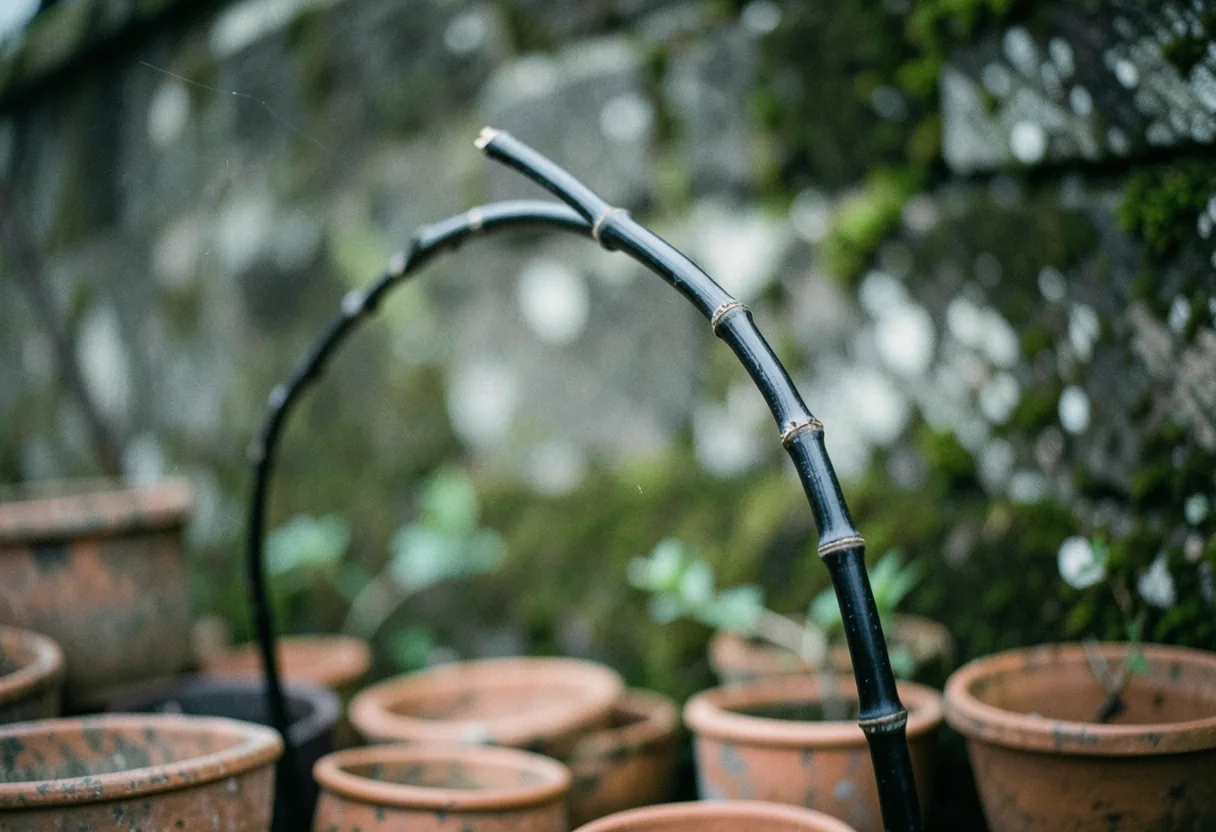
Bambusa multiplex
Bambusa multiplex, commonly known as Himalayacalamus hookerianus, is another excellent option for small gardens and containers. It boasts a dense clump of slender culms and lush green foliage, providing a tropical feel without the invasive spread. This species thrives in warmer climates and can tolerate temperatures down to -6°C (21°F). Its adaptability makes it suitable for both in-ground planting and container gardening.
The primary limitation of Bambusa multiplex is its sensitivity to cold temperatures. Gardeners in colder regions may need to provide additional protection during winter months. Despite this, its fast growth rate and attractive appearance make it a favorite among bamboo enthusiasts.
Fargesia rufa
Fargesia rufa, or Dragon Head Bamboo, is a compact and hardy species that is perfect for small gardens and containers. It features striking red-brown culms and delicate green foliage, adding a unique touch to any landscape. This bamboo is exceptionally cold-hardy, withstanding temperatures as low as -20°C (-4°F), making it ideal for colder climates. Its slow growth rate ensures it stays contained, eliminating the need for root barriers.
The main drawback of Fargesia rufa is its preference for partial shade, which may limit its placement options in some gardens. However, its compact size and striking appearance make it a valuable addition to any small garden or container setup.
Fargesia nitida
Fargesia nitida, also known as Fountain Bamboo, is a versatile and elegant species that thrives in both small gardens and containers. It features glossy green culms and lush foliage, creating a serene and tropical ambiance. This bamboo is highly adaptable, growing well in a range of conditions from partial shade to full sun. Its cold hardiness, withstanding temperatures down to -20°C (-4°F), makes it suitable for various climates.
The primary limitation of Fargesia nitida is its moderate growth rate, which may require patience for those looking to achieve a dense screen or hedge quickly. Nevertheless, its adaptability and aesthetic appeal make it a popular choice for gardeners seeking a low-maintenance, non-invasive bamboo species.
How to choose the best clumping bamboo species for small gardens and containers
- Consider your climate: Choose a species that can withstand your region’s temperature extremes. Fargesia murielae and Fargesia rufa are excellent for colder climates, while Bambusa multiplex thrives in warmer areas.
- Evaluate light requirements: Ensure the species you select matches the light conditions in your garden. Some bamboos prefer full sun, while others thrive in partial shade.
- Assess container suitability: If you plan to grow bamboo in containers, opt for species known for their adaptability to confined spaces, such as Fargesia murielae and Fargesia nitida.
- Maintenance needs: Consider the level of care required. Clumping bamboos generally require minimal maintenance, but some species may need occasional pruning or protection during extreme weather.
Kyoto Bamboo Shop Higashiyama
Located in the historic Higashiyama district of Kyoto, Kyoto Bamboo Shop Higashiyama is a renowned destination for bamboo enthusiasts. The shop offers a wide selection of clumping bamboo species, perfect for small gardens and containers. Visitors can explore the shop’s extensive collection and gain valuable insights into bamboo cultivation and care.
The first time I really looked at the bamboo at Higashiyama, I was struck by the variety and quality of the plants. The shop’s knowledgeable staff provide personalized advice, helping customers choose the best species for their specific needs. Whether you’re a seasoned gardener or a beginner, Kyoto Bamboo Shop Higashiyama is an excellent resource for all things bamboo.
Kyoto bamboo shop Higashiyama reviews
Kyoto Bamboo Shop Higashiyama has received glowing reviews from customers worldwide. Visitors praise the shop’s extensive selection of clumping bamboo species and the expert guidance provided by the staff. Many customers highlight the shop’s beautiful setting in the Higashiyama district, which adds to the overall shopping experience.
Kyoto bamboo shop Higashiyama photos
For a visual glimpse into the shop’s offerings, you can explore photos of Kyoto Bamboo Shop Higashiyama online. These images showcase the shop’s diverse range of bamboo species, as well as its charming storefront and the serene surroundings of the Higashiyama district.
Kyoto bamboo shop Higashiyama prices
Prices at Kyoto Bamboo Shop Higashiyama vary depending on the species, size, and age of the bamboo plants. While specific pricing information may not be available online, the shop’s staff can provide detailed quotes and help customers find the best options within their budget.
Bamboo Grove Kyoto
The Bamboo Grove in Kyoto, known as Arashiyama Bamboo Grove, is one of the most famous bamboo forests in Japan. Located in the Arashiyama district, this enchanting grove features towering bamboo stalks that create a mesmerizing and tranquil atmosphere. Visitors can wander through the grove, enjoying the beauty and serenity of the natural landscape.
While the Arashiyama Bamboo Grove is a popular tourist attraction, it is important to note that it is not a shop where you can purchase bamboo. However, it serves as an inspiring destination for those interested in bamboo and its cultural significance in Japan.
Famous bamboo forest in Japan
The Arashiyama Bamboo Grove is not the only famous bamboo forest in Japan. Other notable bamboo forests include the Kirishima Bamboo Forest in Kagoshima and the Takao Bamboo Forest in Hachioji. These forests offer unique experiences and showcase the beauty of bamboo in different regions of Japan.
Where Is This Place Located?
Kyoto Bamboo Shop Higashiyama is located in the historic Higashiyama district of Kyoto, Japan. The shop is situated near the famous Kiyomizu-dera temple and the Philosopher’s Path, making it a convenient stop for tourists exploring the cultural attractions of the area.
Kyoto District Map
For a detailed map of the Higashiyama district and the location of Kyoto Bamboo Shop Higashiyama, you can refer to online resources such as Google Maps. This will help you plan your visit and navigate the area with ease.
What is the famous street in Higashiyama?
The famous street in Higashiyama is the Philosopher’s Path, or Tetsugaku-no-Michi. This picturesque stone path follows a canal lined with cherry trees and historic temples, offering a serene and scenic walking route. The path is named after the philosopher Kyoto University philosophy professor Nishida Kitaro, who was known to walk this path while pondering life.
What is the 1000 year old shop in Kyoto?
The 1000 year old shop in Kyoto is Nishiyama Sohonten, a traditional sweet shop located in the Gion district. This shop has been serving Kyoto’s famous matcha (green tea) and wagashi (Japanese sweets) for over a thousand years. It is a testament to the rich culinary history of Kyoto and a must-visit for those interested in traditional Japanese culture.
Is it worth going to the bamboo forest in Kyoto?
Yes, it is definitely worth going to the bamboo forest in Kyoto. The Arashiyama Bamboo Grove is a breathtaking natural attraction that offers a unique and serene experience. The towering bamboo stalks create a mesmerizing atmosphere, and the forest is a popular spot for photography and relaxation. Whether you are a nature enthusiast or simply looking for a peaceful escape, the bamboo forest is a must-visit destination in Kyoto.
What is Higashiyama Kyoto known for?
Higashiyama Kyoto is known for its rich cultural heritage and historic sites. The district is home to numerous temples, shrines, and traditional tea houses, as well as the famous Philosopher’s Path. Higashiyama is also renowned for its bamboo forests, including the Arashiyama Bamboo Grove. The district offers a glimpse into Kyoto’s past and is a popular destination for tourists seeking to experience the city’s traditional charm.
Check Hotel Availability
When planning your visit to Kyoto, it is essential to check hotel availability in advance. Kyoto is a popular tourist destination, and accommodations can fill up quickly, especially during peak travel seasons. Use online booking platforms to secure your stay and ensure a comfortable and convenient visit to the city.
Kyoto Vacation Checklist
- Book accommodations in advance.
- Plan your itinerary, including visits to cultural sites, temples, and bamboo forests.
- Pack appropriate clothing for the season and comfortable walking shoes.
- Bring a camera to capture the beauty of Kyoto’s landscapes and architecture.
- Learn basic Japanese phrases to enhance your interaction with locals.
- Try local cuisine, including matcha, wagashi, and traditional Kyoto dishes.
About InsideKyoto.com and Chris Rowthorn
InsideKyoto.com is a comprehensive resource for travelers visiting Kyoto. The website offers detailed information on attractions, cultural sites, and local experiences. Chris Rowthorn, the founder of InsideKyoto.com, is an expert on Japanese culture and history. His insights and guidance have helped countless visitors explore and appreciate the beauty of Kyoto. For more information, visit the InsideKyoto.com website.
Choose the best clumping bamboo species for your small garden or container, and enjoy the beauty and tranquility of these non-invasive plants. Whether you visit Kyoto Bamboo Shop Higashiyama or explore the famous bamboo forests, your bamboo journey is sure to be rewarding.
Frequently asked questions
Which bamboo species clumps the most in containers?
For small gardens and containers, Fargesia murielae (Umbrella Bamboo) is a top choice. It clumps naturally, reaching 10-15 feet tall but only 3-5 feet wide. Another excellent option is Fargesia nitida (Fountain Bamboo), growing 8-12 feet tall and 4-6 feet wide, with a dense clumping habit.
How do I prevent bamboo from spreading in containers?
Use a heavy-duty container with drainage holes, at least 24 inches deep. Line the pot with a root barrier, such as a thick plastic sheet or specialized bamboo barrier. Regularly inspect and trim any stray rhizomes to keep the clump contained.
What's the best time to plant clumping bamboo in containers?
Plant in early spring or late fall when temperatures are mild. This gives roots time to establish before extreme heat or cold. Water thoroughly after planting, and maintain consistent moisture levels, especially during the first growing season.
Can I grow clumping bamboo indoors?
Yes, but choose dwarf varieties like Borinda boliana or Himalayacalamus hookerianus. Place near bright, indirect light and maintain temperatures between 60-75°F. Use a well-draining potting mix and water when the top inch of soil feels dry.