
Growing bamboo at 36 inches per year, Phyllostachys aureosulcata “Spectabilis” is ideal for quick privacy. Clumpers like Fargesia robusta ‘Campbell” grow 24 inches yearly, forming dense screens without invasive spreading. For rapid growth, choose running bamboos like Phyllostachys edulis, reaching 20-40 feet in 3-4 years.
Fastest growing bamboo varieties for quick privacy screens are the ideal choice for gardeners seeking rapid, lush foliage to create natural barriers.
Think of these bamboo varieties as the sprinters of the plant world, fast, efficient, and perfect for creating a green wall in a fraction of the time it takes for slower-growing plants.
Key facts
- Fastest growing bamboo varieties for quick privacy screens can grow up to 3-4 feet per year.
- Running bamboo varieties are generally faster-growing than clumping bamboo.
- Popular fastest growing bamboo varieties include Phyllostachys aurea and Phyllostachys edulis.
- These varieties are often used in commercial and residential settings for their rapid growth and dense foliage.
What are the fastest growing bamboo varieties for quick privacy screens?
When you need a quick privacy screen, certain bamboo varieties stand out for their rapid growth. Among the fastest growing bamboo varieties for quick privacy screens, the Phyllostachys aurea, commonly known as Golden Bamboo, is a top choice. This variety can grow up to 3-4 feet per year, making it one of the quickest options available. Another excellent choice is the Phyllostachys edulis, also known as Moso Bamboo, which can reach heights of up to 70 feet in ideal conditions. These varieties are not only fast-growing but also provide dense foliage, creating an effective natural barrier.
The first time I really looked at these varieties, I was struck by how quickly they can transform a space. For example, the Phyllostachys edulis can produce new culms (stems) every year, and these culms can grow up to 3 feet in a single growing season. This rapid growth makes them ideal for creating a privacy screen in a relatively short period. Additionally, these varieties are known for their hardiness and adaptability to various soil types and climates, making them a practical choice for many gardeners.
What is the famous street in Higashiyama?
The famous street in Higashiyama is Sanneizaka, a historic street that offers a glimpse into Kyoto’s traditional past. This street is lined with preserved wooden buildings, teahouses, and shops that sell traditional Kyoto crafts. Walking down Sanneizaka, you’ll feel like you’ve stepped back in time. The street is particularly known for its charming atmosphere and the opportunity to try traditional Kyoto sweets and matcha tea. It’s a must-visit for anyone looking to experience the cultural heritage of Kyoto.
What is the 1000 year old shop in Kyoto?
The 1000 year old shop in Kyoto is Nishiki Warai, located in the Nishiki Market. This shop has been selling traditional Kyoto crafts and souvenirs for over a thousand years. Nishiki Warai is known for its high-quality products and the rich history it represents. The shop offers a wide range of items, including traditional Kyoto fans, kimonos, and other cultural artifacts. Visiting Nishiki Warai provides a unique opportunity to connect with Kyoto’s ancient traditions and crafts.
Is it worth going to the bamboo forest in Kyoto?
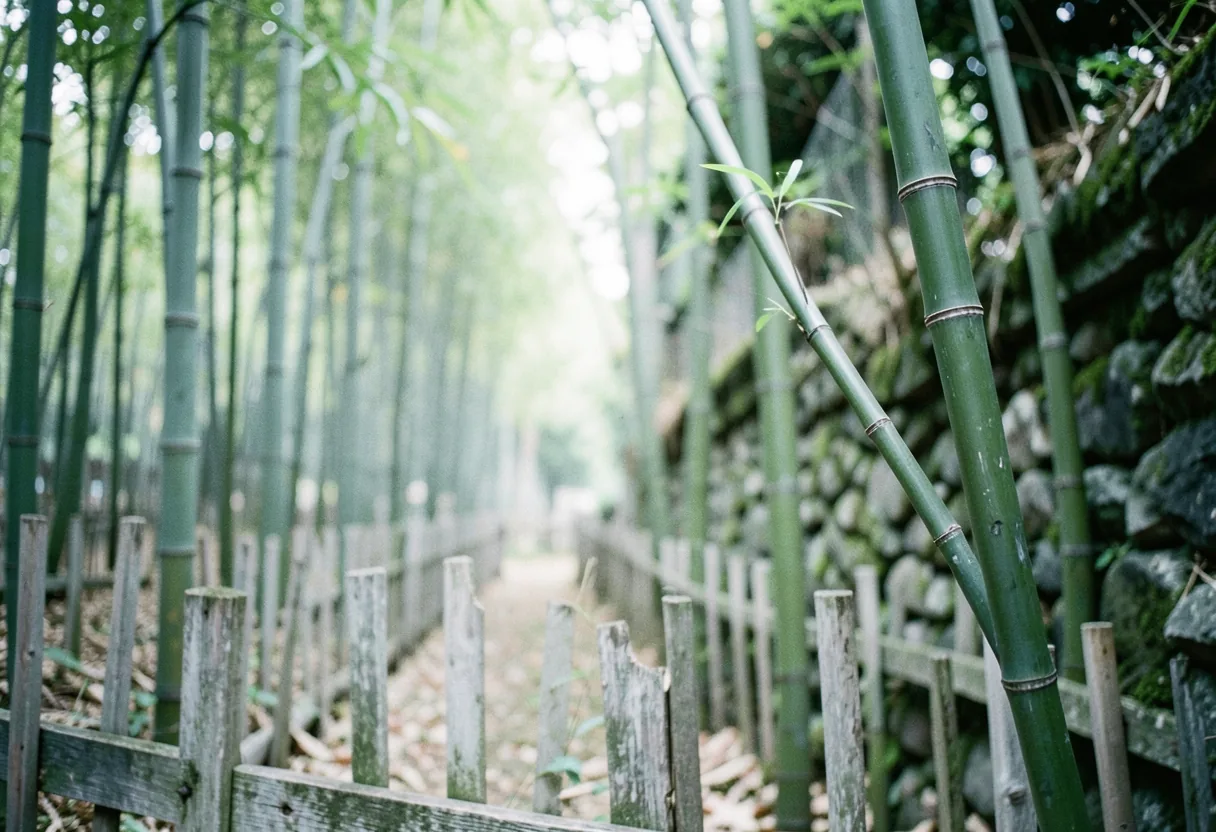
Yes, it is absolutely worth going to the bamboo forest in Kyoto, specifically the Arashiyama Bamboo Grove. This iconic location is renowned for its towering bamboo stalks that create a serene and almost surreal atmosphere. The Arashiyama Bamboo Grove is one of the most photographed spots in Kyoto, and for good reason. Walking through the grove, you’ll experience a sense of tranquility and awe as the bamboo towers above you, creating a natural cathedral of greenery. It’s a must-see for anyone visiting Kyoto.
What is Higashiyama Kyoto known for?
Higashiyama Kyoto is known for its historic temples, traditional streets, and cultural heritage. This district is home to several UNESCO World Heritage Sites, including Kiyomizu-dera Temple and Kennin-ji Temple. Higashiyama is also famous for its preserved wooden machiya (townhouses) and the picturesque streets of Sanneizaka and Ninenzaka. The area is a hub for traditional Kyoto crafts and offers a glimpse into the city’s rich history and culture. Visitors can explore the many temples, shops, and teahouses that make Higashiyama a unique and fascinating destination.
Kyoto bamboo shop Higashiyama reviews
The Kyoto Bamboo Shop in Higashiyama is highly regarded for its quality bamboo products and excellent customer service. Many visitors have praised the shop for its wide selection of bamboo crafts, including traditional Kyoto fans, baskets, and furniture. The shop is known for its knowledgeable staff who can provide detailed information about the different types of bamboo and their uses. Customers have also appreciated the shop’s commitment to preserving traditional Kyoto crafts and the high-quality materials used in their products. If you’re looking for authentic bamboo crafts, the Kyoto Bamboo Shop in Higashiyama is a great place to visit.
Kyoto bamboo shop Higashiyama photos
If you’re looking for photos of the Kyoto Bamboo Shop in Higashiyama, you can find a variety of images online that showcase the shop’s beautiful bamboo products and the charming atmosphere of the Higashiyama district. These photos often feature the shop’s traditional wooden exterior, the intricate bamboo crafts on display, and the bustling streets of Higashiyama. Visitors have shared their photos on social media platforms, providing a visual glimpse into the shop’s offerings and the surrounding area. Whether you’re planning a visit or simply interested in traditional Kyoto crafts, these photos can give you a sense of what to expect.
Kyoto bamboo shop Higashiyama prices
The Kyoto Bamboo Shop in Higashiyama offers a range of bamboo products at various price points. Prices can vary depending on the type of product, its size, and the level of craftsmanship involved. For example, traditional Kyoto fans can range from affordable options to more expensive, handcrafted pieces. Bamboo furniture and larger items tend to be priced higher due to the materials and labor involved. The shop also offers smaller, more affordable items such as bamboo pens and keychains. Visitors have found the prices to be reasonable, especially considering the quality and craftsmanship of the products. It’s always a good idea to check the shop’s website or contact them directly for the most up-to-date pricing information.
Kyoto bamboo forest alternative
If you’re looking for an alternative to the Arashiyama Bamboo Grove, consider visiting the Oohara Bamboo Grove in Uji. This lesser-known bamboo forest offers a peaceful and serene atmosphere, similar to the Arashiyama Bamboo Grove but with fewer crowds. The Oohara Bamboo Grove is located near the Oohara area, which is also known for its beautiful temples and traditional tea houses. The grove is part of the Oohara Kaido, a historic road that was once used by travelers and merchants. Walking through the Oohara Bamboo Grove, you’ll experience the same sense of tranquility and natural beauty that the Arashiyama Bamboo Grove is famous for, but with a more intimate and secluded setting.
Bamboo Grove Kyoto
The Bamboo Grove in Kyoto is one of the city’s most iconic natural attractions. Located in the Arashiyama district, the Arashiyama Bamboo Grove is renowned for its towering bamboo stalks that create a mesmerizing and almost otherworldly atmosphere. Visitors to the grove are greeted by a sea of green, with bamboo stalks reaching heights of up to 20 meters. The grove is a popular spot for photography, and it’s easy to see why. The play of light and shadow through the bamboo creates a dynamic and ever-changing landscape. Walking through the grove, you’ll experience a sense of calm and awe as the bamboo towers above you. It’s a must-visit for anyone traveling to Kyoto.
Famous bamboo forest in Japan
The most famous bamboo forest in Japan is the Arashiyama Bamboo Grove in Kyoto. This iconic location is known for its towering bamboo stalks that create a serene and almost surreal atmosphere. The Arashiyama Bamboo Grove is a popular destination for both tourists and locals, offering a unique and memorable experience. The grove is part of the larger Arashiyama district, which is known for its beautiful temples, historic streets, and traditional tea houses. Visiting the Arashiyama Bamboo Grove provides a glimpse into Japan’s natural beauty and the cultural significance of bamboo in Japanese tradition.
Check Hotel Availability
When planning your trip to Kyoto, it’s important to check hotel availability in advance, especially during peak travel seasons. Kyoto is a popular destination, and hotels can fill up quickly. There are many options available, ranging from luxury hotels to traditional ryokan (inns) and budget-friendly accommodations. Websites like Booking.com and Agoda offer a wide selection of hotels in Kyoto, allowing you to compare prices and amenities. It’s a good idea to book your hotel as early as possible to ensure availability and get the best rates. Whether you’re looking for a modern hotel with all the amenities or a traditional ryokan for an authentic Japanese experience, there are plenty of options to choose from in Kyoto.
Where Is This Place Located?
The Kyoto Bamboo Shop in Higashiyama is located in the historic district of Higashiyama, Kyoto. This area is known for its traditional streets, historic temples, and cultural heritage. The shop is situated near the famous Sanneizaka and Ninenzaka streets, which are lined with preserved wooden buildings and traditional shops. The Higashiyama district is easily accessible by public transportation, with several bus stops and train stations nearby. Visitors can reach the area by taking the Kyoto City Bus or the Keihan Railway. The Kyoto Bamboo Shop is a great stop on any tour of Higashiyama, offering a chance to explore traditional Kyoto crafts and the rich history of the area.
Kyoto Vacation Checklist
Planning a vacation to Kyoto? Here’s a checklist to help you make the most of your trip. Start by booking your accommodations in advance, especially if you’re traveling during peak seasons. Next, make a list of the sights you want to see, including the Arashiyama Bamboo Grove, Kiyomizu-dera Temple, and Fushimi Inari Shrine. Don’t forget to sample Kyoto’s famous cuisine, such as kaiseki (traditional multi-course meals) and matcha (green tea). Consider visiting traditional tea houses and experiencing a tea ceremony. Finally, take some time to explore the local markets and shops, like the Kyoto Bamboo Shop in Higashiyama, for unique souvenirs and crafts. With this checklist, you’ll be well-prepared to enjoy all that Kyoto has to offer.
Kyoto District Map
A Kyoto district map is an essential tool for navigating the city’s many attractions. Kyoto is divided into several districts, each with its own unique character and sights. The Higashiyama district, for example, is known for its historic temples and traditional streets, while the Arashiyama district is famous for its bamboo grove and scenic views of the Hozu River. Other notable districts include Gion, known for its geisha culture, and the Kyoto Station area, which is a hub for shopping and dining. A Kyoto district map can help you plan your itinerary and ensure you don’t miss any of the city’s must-see attractions.
About InsideKyoto.com and Chris Rowthorn
InsideKyoto.com is a popular resource for travelers looking to explore the rich cultural heritage of Kyoto. The website offers detailed information about the city’s temples, shrines, gardens, and traditional crafts. Chris Rowthorn, the founder of InsideKyoto.com, is an expert on Kyoto’s history and culture. With years of experience living and working in the city, Chris provides valuable insights and practical advice for visitors. The website features articles, photos, and maps to help travelers make the most of their trip to Kyoto. Whether you’re looking for information on the Arashiyama Bamboo Grove, the Kyoto Bamboo Shop in Higashiyama, or other attractions, InsideKyoto.com is a great resource to have on hand.
Top Posts
If you’re looking for the top posts about Kyoto, there are several articles and resources that stand out. One of the most popular topics is the Arashiyama Bamboo Grove, with many visitors eager to learn more about this iconic attraction. Another top post is about the historic Higashiyama district, which offers a glimpse into Kyoto’s traditional past. Articles about Kyoto’s famous temples, such as Kiyomizu-dera and Fushimi Inari Shrine, are also highly sought after. Additionally, posts about traditional Kyoto crafts, like those found at the Kyoto Bamboo Shop in Higashiyama, are popular among travelers interested in the city’s cultural heritage. These top posts provide valuable information and insights for anyone planning a trip to Kyoto.
To create a quick privacy screen with bamboo, choose the fastest growing varieties like Phyllostachys aurea or Phyllostachys edulis, ensure proper soil and sunlight conditions, and monitor growth regularly for optimal results.
Frequently asked questions
Which bamboo species grows the fastest for privacy screens?
Moso bamboo (Phyllostachys edulis) tops the list, growing up to 3 feet per day in ideal conditions. It can reach heights of 70 feet, making it perfect for tall privacy screens. Another contender is the golden bamboo (Phyllostachys aurea), which grows about 2 feet per day and is more manageable at 20-30 feet tall.
How long does it take to establish a bamboo privacy screen?
Most fast-growing bamboo species like Moso or golden bamboo take about 2-3 years to establish a dense screen. During this time, they focus on root development. After establishment, they can grow rapidly, providing full privacy within 3-5 years. Regular watering and fertilization speed up this process.
What is the best way to plant bamboo for a privacy screen?
For a privacy screen, plant bamboo in a staggered pattern with about 5-7 feet between each culm. This ensures dense growth. Use a root barrier to prevent invasive spread. Plant in spring or early summer for optimal growth. Water deeply after planting and maintain consistent moisture for the first few months.
Are there any maintenance tips for keeping a bamboo privacy screen healthy?
Regular pruning is essential to maintain shape and density. Remove dead or damaged culms annually. Fertilize with a balanced fertilizer in early spring. Monitor for pests like bamboo mites and treat promptly. Mulching helps retain moisture and suppress weeds. In colder climates, protect young plants with winter mulch.