
To stop running bamboo from spreading, install a root barrier at least 24 inches deep around the area. Use 24-gauge galvanized steel or thick plastic, extending 6 inches above ground. Plant clumping bamboo instead, like Fargesia rufa, which spreads slowly and rarely invades.
How to stop running bamboo from spreading in your yard involves understanding its invasive rhizome system and applying targeted containment strategies, as running bamboo (like Phyllostachys) expands aggressively through underground runners. The first time I really looked at a running bamboo rhizome system, I was struck by how it resembles an octopus’s tentacles, spreading far and fast if left unchecked.
Think of running bamboo like an eager gardener who won’t stay in their own bed: it sends out long, horizontal roots (rhizomes) that pop up new shoots far beyond where you originally planted it. Without control, it can take over your yard like an uninvited guest at a party.
Key facts
- Running bamboo can spread 15-20 feet per year if uncontrolled.
- Rhizomes grow just 4-12 inches deep, making them easy to trim but hard to fully contain without barriers.
- Some species, like Phyllostachys aurea, are more invasive than others.
- Physical barriers are the most effective long-term solution.
What you need
- A shovel or spade for digging
- Root barrier material (polyethylene sheets, at least 24-30 inches deep)
- Pruning shears or a saw for cutting rhizomes
- Mulch or gravel to cover exposed roots
- Optional: Rhizome poison (e.g., glyphosate) for stubborn spreaders
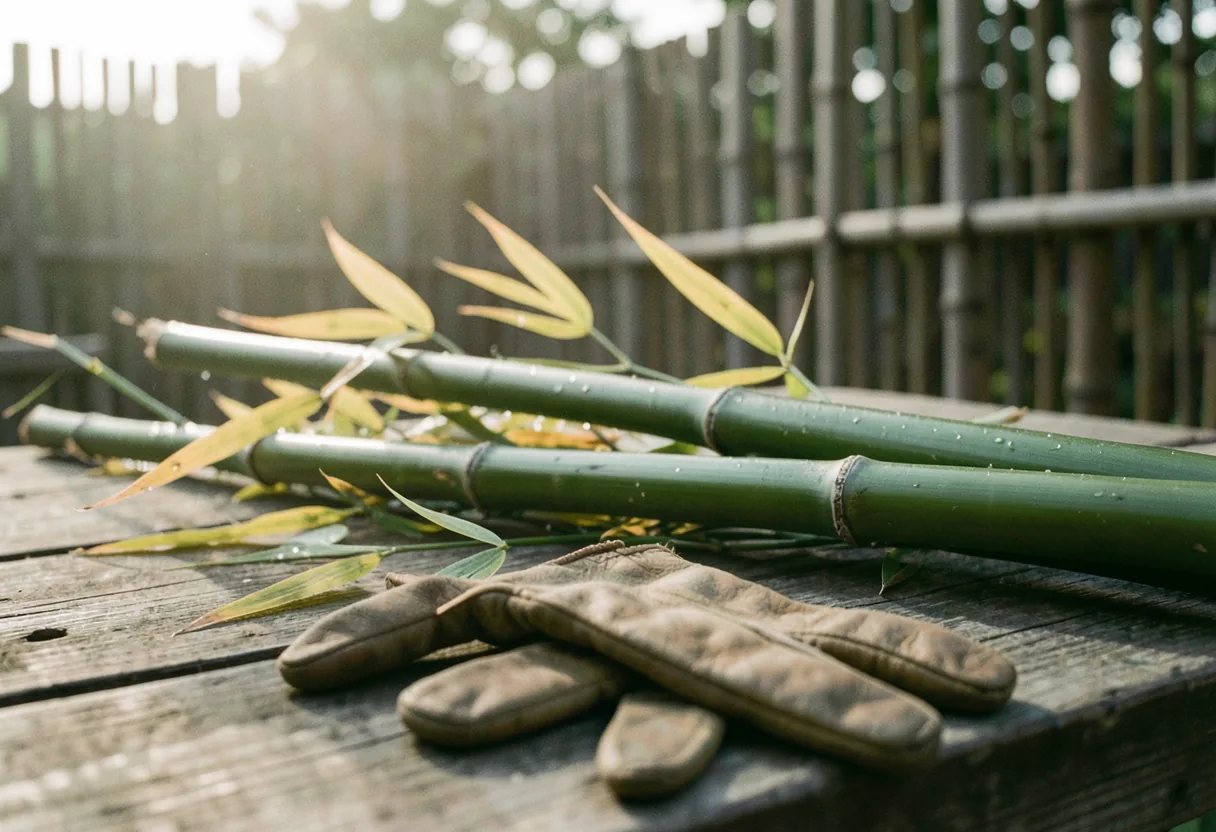
How to stop running bamboo from spreading in your yard
- Assess the spread: Walk your yard to mark all visible bamboo shoots and estimate where rhizomes might be spreading. Running bamboo often forms a dense network just below the soil surface.
- Install root barriers: Dig a trench around the bamboo patch at least 24-30 inches deep and angle the barrier outward to direct rhizomes downward. Kyoto Bamboo Shop Higashiyama recommends 40-mil polyethylene barriers for long-term containment.
- Trim rhizomes: Use pruning shears or a saw to cut any rhizomes that have crossed the barrier. Dispose of them properly, never compost them, as they can regrow.
- Monitor regularly: Check the barrier annually for gaps or breaches. New shoots may appear outside the barrier if rhizomes find a weak spot.
- Use chemical controls (if necessary): For particularly invasive species, apply glyphosate directly to cut rhizomes. Follow label instructions carefully to avoid harming other plants.
- Mulch or gravel: Cover the area with mulch or gravel to discourage new shoots from emerging.
- Consider removal: If the bamboo has already spread too far, removal may be the best option. Hire a professional if the patch is large or difficult to access.
- Plant alternatives: Replace running bamboo with clumping varieties like Fargesia, which are non-invasive. See Best Clumping Bamboo Species for Small Gardens and Containers for recommendations.
- Consult local experts: Visit Kyoto Bamboo Shop Higashiyama or a similar specialty store for advice tailored to your climate and soil conditions.
Common mistakes to avoid
- Underestimating depth: Shallow barriers (less than 24 inches) won’t stop determined rhizomes. Dig deep enough to redirect growth downward.
- Ignoring maintenance: Barriers require annual checks. Neglecting them can lead to breaches and renewed spreading.
- Composting rhizomes: Even small pieces of rhizome can sprout new plants. Dispose of them in the trash.
- Overusing chemicals: Herbicides can harm nearby plants and soil health. Use them sparingly and as a last resort.
Kyoto Bamboo Shop Higashiyama reviews
Kyoto Bamboo Shop Higashiyama is a well-known destination for bamboo enthusiasts, offering a curated selection of species, tools, and expert advice. The shop is located in the historic Higashiyama district, famous for its traditional tea houses and temples.
Kyoto bamboo shop Higashiyama photos
The shop features beautifully crafted bamboo products, from traditional utensils to modern home decor. Visitors often share photos of its intricate displays and the serene bamboo groves nearby.
Kyoto bamboo shop Higashiyama prices
Prices vary depending on the type of bamboo and products. Clumping bamboo species typically range from $30 to $100 per plant, while running bamboo may be cheaper but requires more maintenance. Tools and barriers are also available at competitive prices.
Is it worth going to the bamboo forest in Kyoto?
Absolutely. The Arashiyama Bamboo Grove in Kyoto is a must-visit, offering a surreal, towering experience of nature. Its towering stalks and rustling leaves create a mesmerizing atmosphere, making it one of Japan’s most iconic natural attractions.
Kyoto bamboo forest alternative
If visiting Kyoto isn’t an option, consider exploring local bamboo groves or botanical gardens that feature similar species. Many regions have their own bamboo forests worth exploring, offering a taste of the same serene ambiance.
What is the famous street in Higashiyama?
Higashiyama is home to Sannenzaka and Ninenzaka, two famous streets lined with traditional wooden buildings, tea houses, and souvenir shops. These streets offer a glimpse into Kyoto’s historic past and are popular for their charming, old-world atmosphere.
What is the 1000-year-old shop in Kyoto?
Kyoto is home to several thousand-year-old shops, including Nishiki Warai, a shop specializing in traditional Japanese fans. These shops are a testament to Kyoto’s rich cultural heritage and craftsmanship.
What is Higashiyama Kyoto known for?
Higashiyama Kyoto is known for its historic temples, traditional tea houses, and the picturesque streets of Sannenzaka and Ninenzaka. It’s also a hub for traditional arts and crafts, including bamboo craftsmanship.
Where Is This Place Located?
Kyoto Bamboo Shop Higashiyama is located in the eastern part of Kyoto, near the base of Higashiyama Mountain. It’s easily accessible via public transportation, including buses and the Keihan Electric Railway.
Kyoto Vacation Checklist
Kyoto District Map
Kyoto is divided into several districts, each with its own unique attractions. Higashiyama is particularly known for its historic sites and traditional shops. Use a district map to plan your visit efficiently.
About InsideKyoto.com and Chris Rowthorn
Chris Rowthorn is a renowned economist and contributor to InsideKyoto.com, a website dedicated to providing in-depth information about Kyoto’s culture, history, and attractions. The site offers detailed guides, reviews, and tips for visitors.
Top Posts
- Clumping vs Running Bamboo: How to Choose and Control Growth
- Best Clumping Bamboo Species for Small Gardens and Containers
- Bamboo Root Barrier Installation Guide for Garden Control
- Fastest Growing Bamboo Varieties for Quick Privacy Screens
- How to Plant and Transplant Bamboo Successfully
- Bamboo Fertilizer and Soil Requirements for Healthy Growth
Check Hotel Availability
Stopping running bamboo from spreading requires a combination of physical barriers, regular maintenance, and sometimes chemical controls. By understanding its growth habits and taking proactive steps, you can enjoy the beauty of bamboo without the headaches of uncontrolled spread. Start with a deep root barrier and monitor your yard regularly to keep this vigorous plant in check.
Frequently asked questions
What's the fastest growing bamboo species?
Running bamboo, like Phyllostachys edulis (Moso bamboo), can spread up to 20 feet per year. It sends out underground runners called rhizomes, which can invade neighboring properties and damage structures. To control it, install a rhizome barrier at least 30 inches deep.
Can I use chemical herbicides to stop bamboo spread?
Yes, but it's a last resort. Glyphosate-based herbicides work but harm the environment. Apply carefully to cut stalks or new shoots. Non-toxic options like vinegar solutions are less effective but safer. Always follow label instructions.
How deep should I plant a bamboo barrier?
Rhizome barriers should be at least 30 inches deep, ideally 36 inches. Use high-density polyethylene (HDPE) barriers, which last longer than metal or wood. Bury the barrier vertically, extending 4 inches above ground level to prevent rhizomes from growing over it.
What's the best time to install a bamboo barrier?
Install barriers in early spring before new shoots emerge. This disrupts the rhizome growth cycle. If bamboo is already spreading, remove as much as possible before installing the barrier. Monitor for new shoots and remove them promptly.