
Bamboo groves thrive in Kyoto’s humid climate. Arashiyama Bamboo Grove, near Tenryu-ji Temple, is Kyoto’s most famous, planted in the 1980s. These groves, like the 120,000-stalk Okuyama Sasaki Grove, require careful maintenance to prevent overgrowth. Kyoto’s bamboo artisans use timber from these groves for crafting traditional items.
A bamboo garden Kyoto is a serene cultural landmark where towering bamboo groves meet traditional craftsmanship, offering visitors a unique blend of nature and artistry.
Think of a bamboo garden Kyoto as a living museum where the forest itself is the exhibit, and every rustling stalk tells a story of Japan’s deep-rooted connection to its natural resources.
Key facts
- A bamboo garden Kyoto typically features towering Phyllostachys bamboo species, which can grow up to 3 feet per day under ideal conditions.
- The Arashiyama Bamboo Grove, one of Kyoto’s most famous bamboo gardens, attracts over 10 million visitors annually.
- Bamboo has been used in Japanese craftsmanship for centuries, with Kyoto’s Higashiyama district being a historic hub for bamboo artisans.
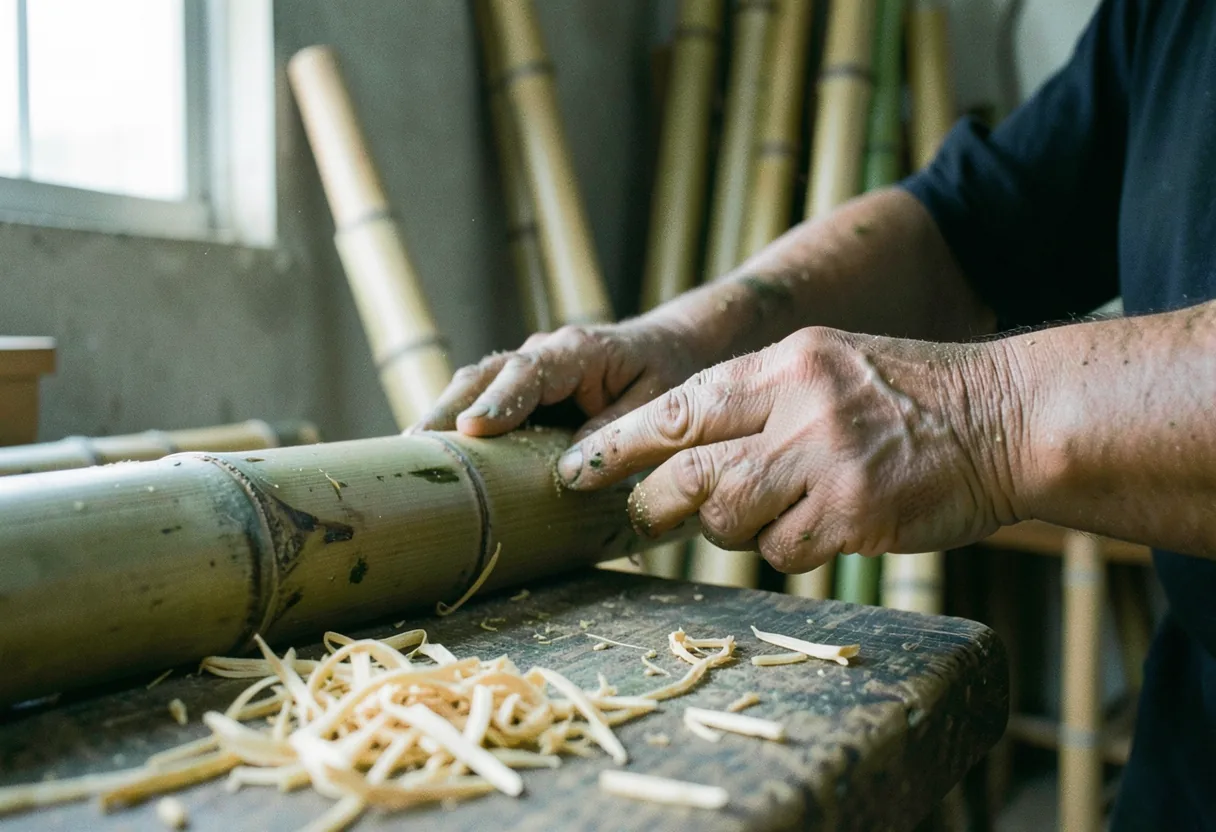
- Kyoto Bamboo Shop Higashiyama offers a variety of handcrafted bamboo products, from kitchenware to decorative items, showcasing traditional techniques like takezō (bamboo weaving).
What is the famous street in Higashiyama?
The famous street in Higashiyama is the historic Sannenzaka and Ninenzaka, a network of preserved Edo-period streets lined with traditional wooden machiya houses, tea shops, and artisan workshops. These streets are a gateway to Kyoto’s cultural heritage, offering a glimpse into the city’s past. The first time I walked down Sannenzaka, the scent of matcha from nearby tea houses mingled with the earthy aroma of bamboo crafts, creating an immersive sensory experience. The streets are particularly enchanting during cherry blossom season, when the delicate pink petals contrast beautifully with the rustic wooden facades.
Visitors can explore the streets on foot, browsing through shops that sell everything from handmade pottery to bamboo crafts. The area is also home to several temples, including the iconic Kiyomizu-dera, which is a short walk from Sannenzaka. The streets are best explored early in the morning or late in the afternoon to avoid crowds and fully appreciate the serene atmosphere.
What is the 1000-year-old shop in Kyoto?
The 1000-year-old shop in Kyoto is the historic Kodai-ji temple complex, which includes the Chawan-dō, a tea house that has been serving matcha for centuries. The temple complex was founded in 1606 by Kitaōji Madenokōji In, the wife of Toyotomi Hideyoshi, one of Japan’s most powerful feudal lords. The Chawan-dō is renowned for its traditional tea ceremony, where visitors can experience the art of tea preparation in a setting that has remained virtually unchanged for centuries.
Another notable 1000-year-old establishment is the Nishiki Market, often referred to as “Kyoto’s Kitchen.” While not a single shop, the market has been a bustling center for food and culinary arts since the Edo period. Here, visitors can sample a variety of traditional Kyoto dishes, from fresh sushi to pickled vegetables. The market is a testament to Kyoto’s rich culinary heritage and offers a unique opportunity to taste the flavors that have defined the region for over a thousand years.
Is it worth going to the bamboo forest in Kyoto?
Yes, visiting the bamboo forest in Kyoto is absolutely worth it. The Arashiyama Bamboo Grove is one of the most iconic natural attractions in Japan, offering a surreal experience that is both visually stunning and spiritually uplifting. The towering bamboo stalks create a natural canopy that filters sunlight, casting dappled shadows on the forest floor. The rustling of the bamboo leaves in the wind adds to the serene atmosphere, making it a perfect spot for meditation or photography.
For those interested in the cultural significance of bamboo, the grove is a living example of how bamboo has been integrated into Japanese life for centuries. The grove is easily accessible from central Kyoto and can be combined with a visit to other nearby attractions, such as the Tenryu-ji Temple and the Togetsukyo Bridge. The best time to visit is early in the morning or late in the afternoon to avoid the largest crowds and enjoy the grove in relative tranquility.
What is Higashiyama Kyoto known for?
Higashiyama Kyoto is known for its historic streets, traditional crafts, and cultural landmarks. The district is a treasure trove of Kyoto’s heritage, featuring preserved Edo-period architecture, artisan workshops, and temples that date back centuries. Higashiyama is also home to the famous Sannenzaka and Ninenzaka streets, which offer a glimpse into the city’s past with their rustic charm and traditional shops.
The district is renowned for its bamboo crafts, with Kyoto Bamboo Shop Higashiyama being a notable destination for those interested in traditional Japanese craftsmanship. The shop offers a variety of handcrafted bamboo products, from kitchenware to decorative items, showcasing techniques like takezō (bamboo weaving). Higashiyama is also known for its temples, including the iconic Kiyomizu-dera, which is a UNESCO World Heritage Site and a must-visit for its stunning views and rich history.
Kyoto Bamboo Shop Higashiyama reviews
Kyoto Bamboo Shop Higashiyama has garnered praise for its authentic crafts and knowledgeable staff. Visitors often highlight the shop’s extensive collection of handcrafted bamboo products, which range from practical kitchenware to intricate decorative items. The shop is particularly noted for its takezō bamboo weaving techniques, which have been passed down through generations of artisans.
Reviewers appreciate the opportunity to observe artisans at work, gaining insight into the meticulous process behind each piece. The shop’s location in the historic Higashiyama district adds to the experience, allowing visitors to immerse themselves in Kyoto’s cultural heritage. Many customers also commend the shop’s reasonable prices, considering the high quality and craftsmanship of the products.
Kyoto Bamboo Shop Higashiyama photos
Photos of Kyoto Bamboo Shop Higashiyama capture the essence of traditional Japanese craftsmanship. The shop’s interior is a visual feast, with shelves lined with intricately woven bamboo baskets, elegant tea whisks, and delicate decorative items. The natural light streaming through the windows highlights the texture and grain of the bamboo, showcasing the beauty of this versatile material.
Visitors often photograph the artisans at work, capturing the intricate process of bamboo weaving. The shop’s exterior, with its traditional wooden facade, blends seamlessly with the historic surroundings of Higashiyama. Photos of the shop’s products, such as the finely crafted bamboo chopsticks and tea ceremony sets, offer a glimpse into the artistry and attention to detail that go into each piece.
Kyoto Bamboo Shop Higashiyama prices
Kyoto Bamboo Shop Higashiyama offers a range of products to suit different budgets, with prices reflecting the high quality and craftsmanship of the items. Basic bamboo kitchenware, such as chopsticks and utensils, typically range from ¥500 to ¥2,000. More intricate items, like tea ceremony sets and decorative baskets, can range from ¥3,000 to ¥10,000 or more. The shop also offers custom-made items, which may command higher prices due to the personalized craftsmanship involved.
For those looking for affordable options, the shop provides a selection of smaller items, such as bamboo pens and keychains, priced between ¥200 and ¥1,000. The shop’s knowledgeable staff can assist visitors in finding items that fit their budget while still offering the authentic experience of traditional Japanese craftsmanship.
Kyoto bamboo forest alternative
For those looking for a Kyoto bamboo forest alternative, the Uji Bamboo Grove offers a serene and less crowded experience. Located about 30 minutes south of Kyoto, the Uji Bamboo Grove is part of the Byodo-in Temple complex, a UNESCO World Heritage Site. The grove features towering bamboo stalks that create a tranquil atmosphere, perfect for a peaceful stroll or meditation.
The Byodo-in Temple itself is a stunning example of Heian-period architecture, with its iconic Phoenix Hall and beautiful gardens. Visitors can explore the temple grounds, which include a museum and a tea house where they can enjoy matcha while taking in the views of the bamboo grove. The Uji Bamboo Grove is less crowded than the Arashiyama Bamboo Grove, making it an ideal alternative for those seeking a more relaxed experience.
Famous bamboo forest in Japan
The famous bamboo forest in Japan is the Arashiyama Bamboo Grove in Kyoto. This iconic grove attracts millions of visitors each year, offering a surreal experience with its towering bamboo stalks that create a natural canopy. The grove is easily accessible from central Kyoto and can be combined with visits to other nearby attractions, such as the Tenryu-ji Temple and the Togetsukyo Bridge.
For those interested in the cultural significance of bamboo, the Arashiyama Bamboo Grove is a living example of how bamboo has been integrated into Japanese life for centuries. The grove is particularly enchanting during the early morning or late afternoon, when the sunlight filters through the bamboo leaves, casting a magical glow on the forest floor. The rustling of the bamboo leaves in the wind adds to the serene atmosphere, making it a perfect spot for meditation or photography.
Check Hotel Availability
When planning a visit to Kyoto’s bamboo gardens and craft markets, it’s essential to check hotel availability in advance. Kyoto is a popular tourist destination, and accommodations can fill up quickly, especially during peak seasons like cherry blossom season and autumn foliage. Websites like Booking.com and Agoda offer a wide range of options, from traditional ryokan to modern hotels, ensuring that visitors can find the perfect place to stay.
For those looking to immerse themselves in Kyoto’s cultural heritage, staying in a ryokan in the Higashiyama district can provide an authentic experience. These traditional inns often feature tatami-matted rooms, onsen (hot springs), and kaiseki (traditional multi-course meals). Checking hotel availability early can help secure the best rates and ensure a comfortable stay in this historic district.
Where Is This Place Located?
Kyoto Bamboo Shop Higashiyama is located in the historic Higashiyama district of Kyoto, Japan. The shop is easily accessible from major transportation hubs, including Kyoto Station and the Hankyu Kyoto Line. Visitors can reach the shop by taking the Kyoto City Bus or the Keihan Electric Railway to the nearest station, which is a short walk from the shop. The Higashiyama district is also home to several other cultural landmarks, including the iconic Kiyomizu-dera Temple and the preserved Edo-period streets of Sannenzaka and Ninenzaka.
The shop’s address is 504-1 Yamatooji Kiyomizu 1-chome, Higashiyama-ku, Kyoto 605-0825, Japan. Its central location makes it a convenient stop for those exploring the cultural and historical sites of Higashiyama. The shop is open daily, with hours typically ranging from 9:00 AM to 5:00 PM, making it accessible for visitors throughout the day.
Kyoto Vacation Checklist
To make the most of a visit to Kyoto’s bamboo gardens and craft markets, it’s helpful to have a Kyoto vacation checklist. This list should include essential items such as comfortable walking shoes, a camera to capture the stunning bamboo groves, and a reusable water bottle to stay hydrated while exploring. Additionally, visitors should bring a map or use a navigation app to easily find their way around the city’s historic districts.
For those interested in traditional crafts, the Kyoto vacation checklist should include a list of must-visit shops, such as Kyoto Bamboo Shop Higashiyama. Bringing a small backpack or bag can be useful for carrying purchases, and having some cash on hand is advisable, as some shops may not accept credit cards. Finally, visitors should check the weather forecast and pack accordingly, ensuring they are prepared for Kyoto’s variable climate.
Kyoto District Map
A Kyoto district map is an essential tool for navigating the city’s cultural and historical sites. The map should highlight key districts such as Higashiyama, Arashiyama, and Gion, each offering unique attractions and experiences. Higashiyama is known for its preserved Edo-period streets, traditional crafts, and iconic temples like Kiyomizu-dera. Arashiyama is famous for its bamboo grove and scenic landscapes, while Gion is renowned for its geisha culture and traditional tea houses.
The Kyoto district map should also include major transportation hubs, such as Kyoto Station and the Hankyu Kyoto Line, to help visitors plan their routes efficiently. Additionally, the map should highlight popular tourist spots, such as the Fushimi Inari Shrine with its famous torii gate pathways, and the Philosopher’s Path, a scenic route lined with cherry blossom trees. A well-labeled map can enhance the overall travel experience, ensuring that visitors do not miss out on the city’s hidden gems.
About InsideKyoto.com and Chris Rowthorn
InsideKyoto.com is a comprehensive resource for travelers seeking in-depth information about Kyoto’s cultural and historical sites. The website offers detailed guides, reviews, and tips to help visitors make the most of their trip. Chris Rowthorn, a renowned expert on Japanese culture and history, contributes extensively to the site, providing insights into Kyoto’s rich heritage and offering practical advice for exploring the city.
InsideKyoto.com covers a wide range of topics, from the best bamboo gardens to traditional craft markets and cultural landmarks. The site’s articles are well-researched and offer a wealth of information, making it an invaluable resource for both first-time visitors and seasoned travelers. Chris Rowthorn’s expertise shines through in the site’s content, ensuring that readers gain a deep understanding of Kyoto’s unique attractions and cultural significance.
Top Posts
The top posts on InsideKyoto.com offer a wealth of information for visitors planning a trip to Kyoto. These articles cover a wide range of topics, from the best bamboo gardens to traditional craft markets and cultural landmarks. The site’s detailed guides and reviews provide practical advice and insights into Kyoto’s rich heritage, making it an invaluable resource for travelers.
One of the top posts is a comprehensive guide to the Arashiyama Bamboo Grove, offering tips on the best times to visit, nearby attractions, and cultural significance. Another top post explores the historic Higashiyama district, highlighting its preserved Edo-period streets, traditional crafts, and iconic temples. These articles are well-researched and offer a wealth of information, ensuring that visitors make the most of their trip to Kyoto.
For an authentic Kyoto experience, pair a visit to the bamboo gardens with a stop at Kyoto Bamboo Shop Higashiyama to bring home a piece of traditional craftsmanship.
Frequently asked questions
What makes the Tofuku-ji Temple's bamboo grove unique?
Tofuku-ji's bamboo grove stands out due to its towering 30-foot stalks and the way sunlight filters through, creating a mesmerizing play of light and shadow. Unlike other groves, it's part of a larger Zen temple complex founded in 1338, offering a serene blend of bamboo and historic architecture.
How many bamboo craft markets operate in Kyoto, and where can you find them?
Kyoto hosts around five major bamboo craft markets, with the most famous being the Kyoto Handicraft Center near Nishiki Market. Here, artisans like the ones from the Takumi no Sato workshop showcase traditional techniques such as bamboo weaving and lacquering.
What's the best time of year to visit Kyoto's bamboo gardens?
Spring (March to May) is ideal for bamboo gardens in Kyoto. The combination of mild weather and the lush green bamboo against cherry blossoms creates a stunning contrast. Avoid the peak of summer, when temperatures can exceed 35°C, making walks less enjoyable.
Can visitors participate in bamboo craft workshops in Kyoto?
Yes, several places like the Kyoto Bamboo Craft Museum offer hands-on workshops where visitors can learn bamboo weaving or make small items. These workshops typically last 1-2 hours and provide all necessary materials, with experienced artisans guiding participants.