
Higashiyama Kyoto is known for its historic temples like Kiyomizu-dera and the atmospheric streets of Sannenzaka and Ninenzaka. It offers scenic hiking trails with panoramic city views, particularly at Kiyomizu-dera’s wooden terrace. The area preserves traditional machiya townhouses and is famous for its annual Jidai Matsuri festival, reenacting historical processions.
Higashiyama Kyoto is known for its preserved streetscapes, traditional shops, and rich cultural heritage that dates back to the Edo period.
Think of Higashiyama Kyoto as an open-air museum where every alley and shop window tells a story, much like flipping through a beautifully illustrated history book.
Key facts
- Higashiyama is home to the historic Hansen-Byō district, a geisha district with teahouses and willow-lined canals.
- The area boasts over 100 traditional shops selling everything from bamboo crafts to matcha tea.
- It houses several significant temples, including Kiyomizu-dera, a UNESCO World Heritage Site.
- The district is easily accessible via the Kyoto City Bus or a scenic 30-minute walk from Kyoto Station.
What is the famous street in Higashiyama?
The most famous street in Higashiyama is Sannenzaka, a picturesque slope lined with traditional wooden buildings, stone-paved alleys, and old-style lanterns. This street is particularly renowned for its well-preserved Edo-period architecture and the charming atmosphere it offers. Along Sannenzaka, you’ll find a variety of shops selling traditional Japanese crafts, sweets, and souvenirs. The street is also famous for its connection to the historic Kiyomizu-dera temple, which is just a short walk away.
For a more immersive experience, visit during the cherry blossom season (late March to early April) or in autumn when the leaves turn vibrant shades of red and orange. The contrast of the traditional buildings against the natural beauty of the seasons makes Sannenzaka a must-visit spot in Higashiyama.
What is the 1000 year old shop in Kyoto?
One of the oldest and most famous shops in Kyoto is Kiyomizu-yakushi-ji, which has been operating for over 1,000 years. Located near the Kiyomizu-dera temple in the Higashiyama district, this shop specializes in traditional Japanese medicines and herbal remedies. The shop’s history dates back to the Heian period (794-1185 AD), and it has been passed down through generations of the same family. Kiyomizu-yakushi-ji is known for its unique blends of herbs and traditional remedies that have been used for centuries to treat various ailments.
Another notable shop with a rich history is Nishimuraya Honzen, a traditional ryokan (inn) that has been operating since 1086 AD. Although not a shop in the traditional sense, this ryokan offers a glimpse into the ancient hospitality culture of Kyoto. It is located in the Arashiyama district and is famous for its kaiseki (traditional multi-course meal) and onsen (hot spring) baths. Visitors can experience the elegance and tranquility of old Kyoto while enjoying the modern comforts of a well-preserved historical site.
Is it worth going to the bamboo forest in Kyoto?
Yes, visiting the bamboo forest in Kyoto, specifically the Arashiyama Bamboo Grove, is definitely worth it. This iconic grove is one of the most photographed spots in Japan and offers a unique and serene experience. The towering bamboo stalks create a mesmerizing canopy that filters the sunlight, casting beautiful patterns on the ground. Walking through the grove feels like stepping into another world, far removed from the bustling city life.
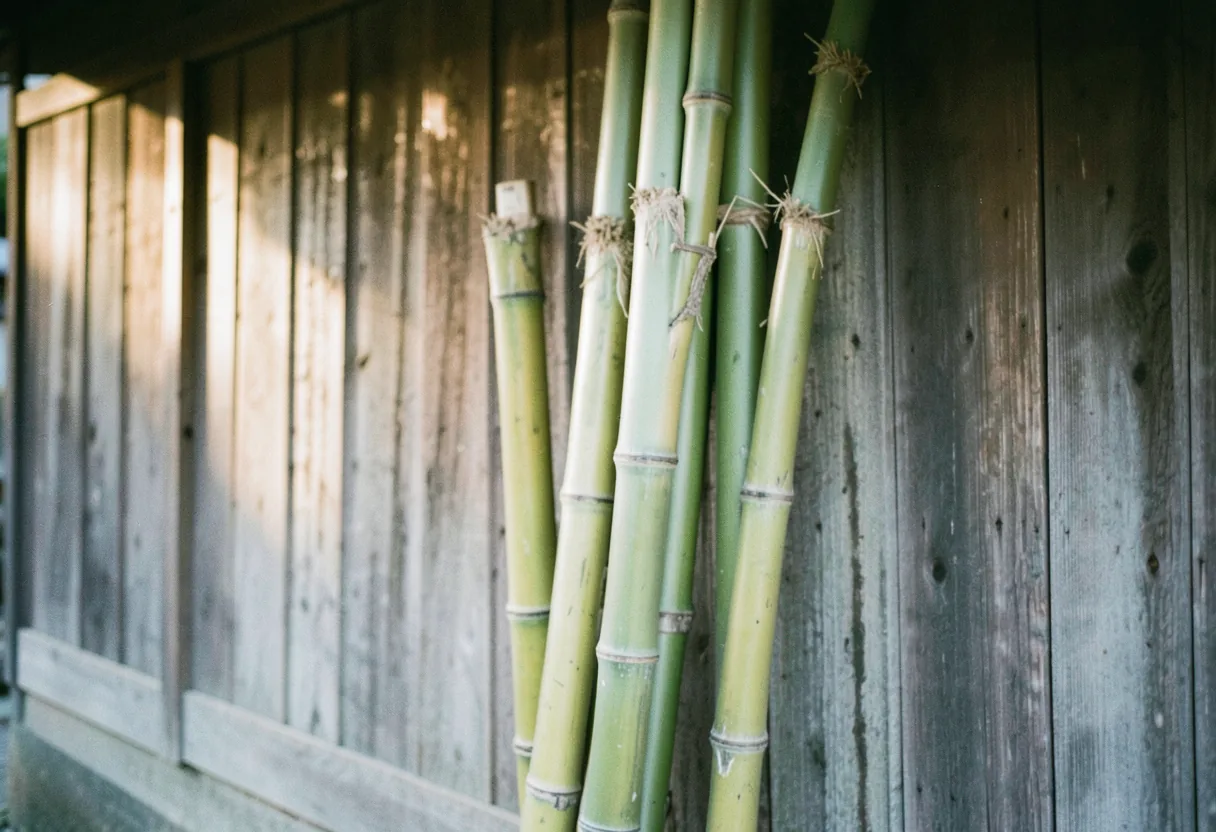
For those interested in bamboo crafts, a visit to the Kyoto Bamboo Shop Higashiyama is a must. This shop offers a variety of high-quality bamboo products, from traditional crafts to modern home decor. The shop’s knowledgeable staff can provide insights into the history and cultural significance of bamboo in Japanese art and craftsmanship. Additionally, the shop offers workshops where visitors can try their hand at creating their own bamboo crafts, providing a hands-on experience that deepens appreciation for this versatile material.
Kyoto bamboo shop Higashiyama reviews
The Kyoto Bamboo Shop Higashiyama has received glowing reviews from visitors, who praise the shop’s unique selection of bamboo products and the friendly, knowledgeable staff. Many reviewers highlight the high quality of the crafts and the opportunity to learn about the history and cultural significance of bamboo in Japanese art. The shop’s workshops are particularly popular, with visitors appreciating the chance to create their own bamboo crafts under the guidance of skilled artisans.
The shop’s location in the heart of the Higashiyama district adds to its appeal, as it is easily accessible and surrounded by other historic sites and traditional shops. Visitors often combine their trip to the Kyoto Bamboo Shop Higashiyama with a visit to nearby attractions such as the Kiyomizu-dera temple and the Sannenzaka street. The shop’s convenient hours and the availability of English-speaking staff make it a welcoming destination for international visitors.
Kyoto bamboo shop Higashiyama photos
The Kyoto Bamboo Shop Higashiyama offers a visually stunning experience, with its beautifully crafted bamboo products on display. The shop’s interior is designed to showcase the natural beauty of bamboo, with intricate patterns and textures that highlight the versatility of this material. Visitors can find a wide range of items, from traditional crafts such as baskets and trays to modern home decor like lamps and wall art.
One of the standout features of the shop is its collection of bamboo crafts created by local artisans. These pieces often feature unique designs and techniques that have been passed down through generations. The shop’s knowledgeable staff can provide insights into the craftsmanship behind each piece, adding a deeper appreciation for the artistry involved. For those interested in capturing the beauty of the shop, photography is allowed, and visitors are encouraged to take photos of the stunning displays and crafts.
Kyoto bamboo shop Higashiyama prices
The Kyoto Bamboo Shop Higashiyama offers a range of bamboo products to suit different budgets, from affordable souvenirs to high-end, handcrafted items. Prices vary depending on the size, complexity, and craftsmanship of each piece. For example, small decorative items such as bamboo charms and keychains can be found for around 500 to 1,000 yen, while larger items like baskets and trays can range from 2,000 to 10,000 yen. Custom-made items and those created by renowned artisans can be priced higher, often exceeding 20,000 yen.
The shop also offers workshops where visitors can create their own bamboo crafts. These workshops typically cost between 3,000 to 5,000 yen, depending on the complexity of the project. The cost usually includes all necessary materials and the guidance of a skilled artisan. For those looking for a more immersive experience, the shop offers special classes that delve deeper into the art of bamboo craftsmanship, with prices ranging from 10,000 to 20,000 yen.
Kyoto bamboo forest alternative
For those looking for an alternative to the Arashiyama Bamboo Grove, the Kyoto Bamboo Garden offers a serene and less crowded experience. Located in the Uji district, about 30 minutes from central Kyoto, this garden features a beautiful collection of bamboo groves, ponds, and walking paths. The garden is particularly stunning during the autumn season when the leaves change color, creating a picturesque landscape that is perfect for photography.
Another alternative is the Kyushu National Museum’s bamboo garden in Dazaifu. While not as well-known as the Arashiyama Bamboo Grove, this garden offers a unique blend of history and natural beauty. The museum itself is dedicated to the history of Kyushu, and the bamboo garden provides a peaceful retreat where visitors can learn about the region’s cultural heritage. The garden features a variety of bamboo species, each with its own unique characteristics and historical significance.
Where is this place located?
Higashiyama Kyoto is located in the eastern part of Kyoto City, Japan. It is easily accessible via public transportation, with several bus stops and train stations nearby. The nearest train station is Kiyomizu-Gojō Station on the Keihan Line, which is about a 10-minute walk from the main attractions in the Higashiyama district. For those using the Kyoto City Bus, the Higashiyama-Yasaka and Gion bus stops are convenient options. The district is also within walking distance of other popular tourist spots, such as the Gion district and the Kamo River.
The exact address for the Kyoto Bamboo Shop Higashiyama is 504 Kiyomizu 1-chome, Higashiyama-ku, Kyoto 605-0825, Japan. The shop is located near the Kiyomizu-dera temple, making it a convenient stop for visitors exploring the historic sites in the area. For those using GPS or map apps, the shop’s location is clearly marked and easily identifiable. The shop’s central location in the Higashiyama district makes it a popular destination for tourists and locals alike.
Kyoto vacation checklist
Planning a vacation to Kyoto requires careful consideration of the many attractions and experiences the city has to offer. Here is a checklist to help you make the most of your trip:
- Research and book accommodations in advance, especially during peak travel seasons.
- Plan your itinerary to include must-see attractions such as Kiyomizu-dera temple, Fushimi Inari Shrine, and the Arashiyama Bamboo Grove.
- Check the opening hours and entrance fees for each attraction to avoid any surprises.
- Explore the local cuisine by visiting traditional restaurants and tea houses in the Gion district.
- Visit the Kyoto Bamboo Shop Higashiyama to experience the art of bamboo craftsmanship and purchase unique souvenirs.
- Consider taking a workshop or class to learn more about traditional Japanese crafts and techniques.
- Use public transportation to get around the city efficiently and save time.
- Check the weather forecast and pack accordingly, as Kyoto experiences distinct seasons with varying temperatures.
- Respect local customs and traditions, such as removing shoes before entering temples and being mindful of noise levels in public spaces.
- Take plenty of photos to capture the beauty and unique experiences of your trip.
Plan your visit to the Kyoto Bamboo Shop Higashiyama during your Kyoto vacation to experience the rich cultural heritage and traditional craftsmanship of Japan. The shop’s unique selection of bamboo products and knowledgeable staff make it a must-visit destination for anyone interested in Japanese art and culture.
Frequently asked questions
Why is Higashiyama Kyoto a popular destination for history enthusiasts?
Higashiyama Kyoto preserves the Edo Period's charm through its preserved streets, like Sannenzaka and Ninenzaka. These cobbled lanes, lined with wooden machiya townhouses, offer a glimpse into 17th-century life. The area also houses over 1,600 temples, including Kiyomizu-dera, founded in 778, celebrated for its wooden terrace offering panoramic city views.
What unique shopping experiences does Higashiyama Kyoto offer?
Higashiyama's shopping streets are famous for traditional crafts. Visit Yasaika for Kyoto-style soba noodles or try matcha treats at Ippodo Tea's historic shop, established in 1717. Pottery lovers can explore ceramic stores like Kiyomizu-yaki, known for its distinctive glazing techniques dating back to the 12th century.
How does Higashiyama Kyoto celebrate its cultural heritage?
Higashiyama hosts the Jidai Matsuri, a historic parade held annually on October 22nd, featuring over 2,000 participants in period costumes. The area also supports traditional arts like tea ceremonies and flower arrangement, with schools offering workshops. Local festivals, such as the Hanatoro illumination event in March, attract over 600,000 visitors annually.
What makes Higashiyama Kyoto's architecture distinctive?
Higashiyama's architecture is marked by its traditional machiya townhouses, many of which have been converted into museums or inns. The area also features notable structures like the three-story Kodo hall in Kennin-ji, Kyoto's oldest Zen temple, founded in 1202. The wooden stage of Kiyomizu-dera, supported by massive keyaki trees, is another architectural marvel.