
Yes, visiting Kyoto’s Bamboo Forest is worth it for its stunning natural beauty. The towering bamboo stalks create an ethereal atmosphere, especially when light filters through the canopy. It’s free to enter and located near other attractions like Arashiyama. However, it can get crowded, so arrive early for a more serene experience. The best time to visit is during spring or autumn.
Visiting Kyoto Bamboo Shop Higashiyama offers an immersive experience into Japan’s rich bamboo culture, blending traditional craftsmanship with natural beauty.
Imagine walking through a living cathedral where the pillars sway in the wind, their green hues shifting with the light, this is the soul of Kyoto’s bamboo forests, and the nearby shops bring that spirit into handcrafted art.
Key facts
- The Arashiyama Bamboo Grove, near Kyoto Bamboo Shop Higashiyama, attracts over 16 million visitors annually.
- Bamboo has been cultivated in Kyoto for over 1,200 years, with Higashiyama as a historic hub.
- The shop specializes in traditional Kyoto bamboo crafts, including intricate baskets and cutting boards.
- Kyoto’s bamboo industry supports over 300 artisans, preserving techniques passed down for generations.
Is it worth going to the bamboo forest in Kyoto?
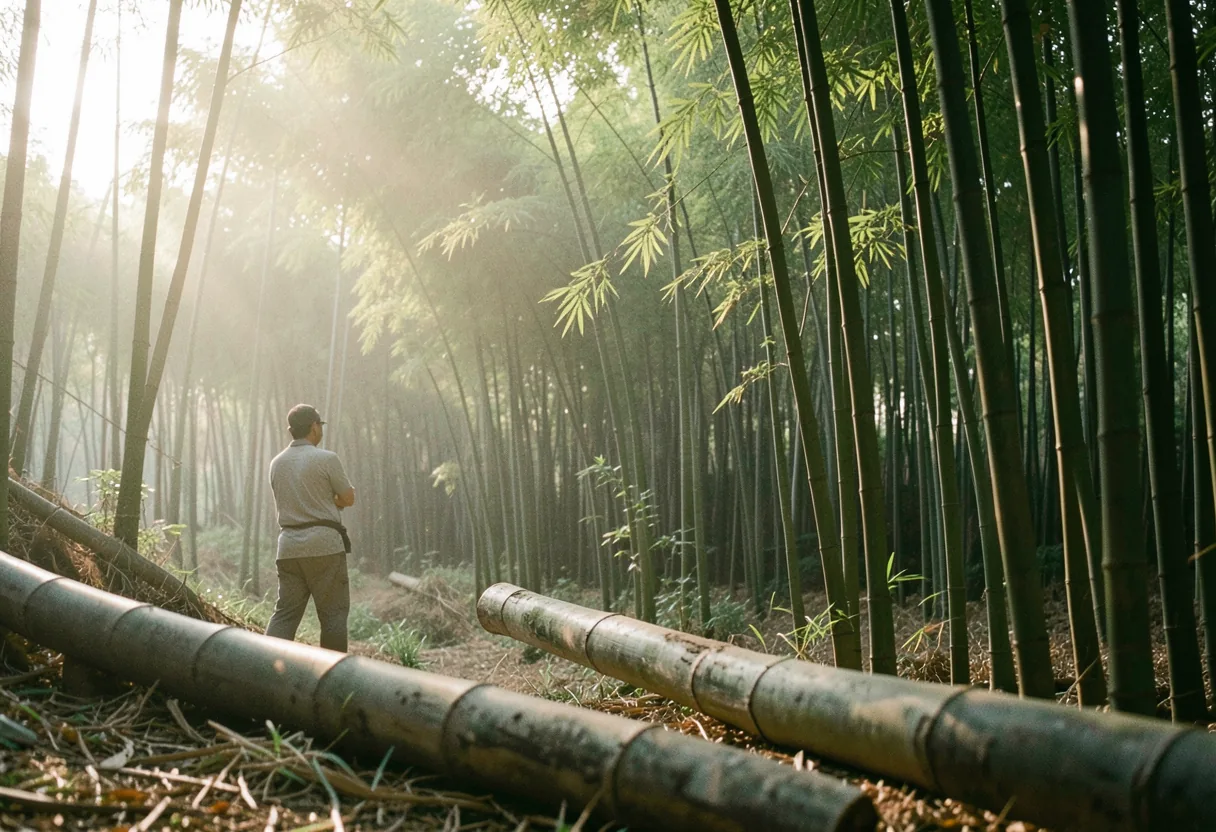
Yes, the bamboo forest in Kyoto, particularly the Arashiyama Bamboo Grove, is a must-visit for its ethereal beauty and cultural significance. The towering bamboo stalks create a mesmerizing tunnel effect, especially at sunrise or sunset when the light filters through the leaves, casting a surreal glow. This natural wonder is complemented by the nearby Kyoto Bamboo Shop Higashiyama, where visitors can purchase handcrafted bamboo products, from delicate tea whisks to sturdy walking sticks, each piece reflecting centuries of tradition.
The grove is easily accessible, with a 5-minute walk from Arashiyama Station, and entry is free, making it a budget-friendly attraction. For those seeking a deeper experience, guided tours are available, offering insights into the grove’s history and the role of bamboo in Japanese culture. Pairing a visit to the grove with a stop at Kyoto Bamboo Shop Higashiyama ensures a well-rounded journey, blending nature with artistry.
What is the famous street in Higashiyama?
The famous street in Higashiyama is Kiyamachi, a historic thoroughfare that runs parallel to the Kamo River. Known for its traditional wooden machiya houses and lively atmosphere, Kiyamachi is a blend of old and new, with modern cafes and bars coexisting alongside centuries-old establishments. The street is particularly enchanting during cherry blossom season, when the trees along the riverbanks burst into pink and white blossoms, attracting visitors from around the world. For those interested in bamboo, a short walk from Kiyamachi leads to Kyoto Bamboo Shop Higashiyama, where the craftsmanship of local artisans is on full display.
Kiyamachi is also home to a variety of cultural landmarks, including the iconic Gion district, known for its geisha culture. The street is easily navigable on foot, with plenty of opportunities to explore side alleys and hidden gems. Whether you’re sipping matcha in a traditional teahouse or browsing handmade bamboo crafts, Kiyamachi offers a glimpse into Kyoto’s rich heritage and vibrant present.
What is the 1000-year-old shop in Kyoto?
One of Kyoto’s oldest shops is Nishikawa Sake Brewery, established in 1704, though the title of the 1000-year-old shop is often attributed to the historic Kiyomizu-dera temple, which has been a center of religious and cultural activity since 778 AD. While not a traditional retail shop, the temple’s surrounding area is filled with artisan shops that have been operating for centuries, including those specializing in bamboo crafts. Kyoto Bamboo Shop Higashiyama, while not millennia-old, carries on the legacy of these ancient traditions, offering products crafted using techniques that have remained largely unchanged for hundreds of years.
The longevity of these shops is a testament to Kyoto’s enduring cultural heritage. Many of these establishments have been family-run for generations, with knowledge and skills passed down from parent to child. For visitors, these shops offer a unique opportunity to purchase authentic, high-quality goods while supporting the preservation of traditional crafts. Whether you’re looking for a piece of history or simply a beautiful souvenir, Kyoto’s ancient shops provide a tangible connection to the past.
Kyoto bamboo shop Higashiyama reviews
Kyoto Bamboo Shop Higashiyama consistently receives high praise from visitors for its quality products and authentic experience. Reviewers often highlight the shop’s diverse range of items, from practical kitchen tools to decorative pieces, all crafted with meticulous attention to detail. Many customers appreciate the opportunity to interact with skilled artisans, who are often on-site to explain the crafting process and the significance of bamboo in Japanese culture. The shop’s location in the heart of Higashiyama, near other cultural landmarks, makes it a convenient stop for those exploring the area.
Positive reviews frequently mention the shop’s reasonable prices, considering the handmade nature of the products. Visitors also enjoy the shop’s serene atmosphere, which complements the natural beauty of the nearby bamboo groves. For those seeking a more in-depth experience, the shop offers workshops where participants can try their hand at bamboo crafting under the guidance of experienced artisans. These reviews underscore the shop’s reputation as a must-visit destination for anyone interested in traditional Japanese crafts.
Kyoto bamboo shop Higashiyama photos
Photos of Kyoto Bamboo Shop Higashiyama capture the intricate beauty of the crafts on display, showcasing the shop’s diverse range of products. Images often feature detailed close-ups of bamboo baskets, each weave telling a story of craftsmanship, as well as elegant cutting boards and delicate tea whisks. The shop’s interior is equally photogenic, with warm wooden tones and natural light creating a welcoming atmosphere. Visitors frequently photograph the artisans at work, providing a glimpse into the time-honored techniques used to create these pieces.
Outdoor photos highlight the shop’s picturesque location in Higashiyama, with the surrounding streets and temples adding context to the cultural significance of the area. Many visitors also capture the bamboo groves nearby, creating a visual narrative that connects the natural beauty of the forest with the artistry of the shop. These photos not only serve as cherished souvenirs but also inspire others to visit and experience the magic of Kyoto’s bamboo culture firsthand.
Kyoto bamboo shop Higashiyama prices
Kyoto Bamboo Shop Higashiyama offers a range of products to suit different budgets, with prices reflecting the quality and craftsmanship of each piece. Simple items, such as bamboo chopsticks or small decorative objects, can be found for around 500 to 1,500 yen. Mid-range products, including kitchen tools like cutting boards or rice paddles, typically range from 2,000 to 5,000 yen. For those seeking a more substantial investment, intricately woven baskets and large decorative pieces can cost between 10,000 and 30,000 yen.
The shop’s pricing is competitive with other artisan shops in Kyoto, offering good value for handcrafted items. Visitors often find that the prices are reasonable considering the skill and time required to create each piece. For those looking to make a purchase, the shop accepts credit cards and offers gift wrapping services, making it a convenient stop for souvenirs or gifts. Additionally, the shop occasionally runs special promotions or discounts, so it’s worth asking about current offers when visiting.
Kyoto bamboo forest alternative
If you’re looking for an alternative to the Arashiyama Bamboo Grove, consider visiting the Uji Bamboo Grove, located about 30 minutes southeast of Kyoto. This lesser-known grove offers a more serene and less crowded experience, with towering bamboo stalks that create a tranquil atmosphere. The Uji area is also famous for its matcha tea, providing an opportunity to combine a visit to the bamboo grove with a tea-tasting experience. For those interested in bamboo crafts, the nearby Uji City Bamboo Craft Center offers workshops and demonstrations, showcasing the region’s rich bamboo heritage.
Another alternative is the Takao Bamboo Grove in Uji City, which is part of the Takao Mountain area. This grove is smaller than Arashiyama but offers stunning views, especially during the autumn foliage season. The area is also home to several temples and shrines, making it a great destination for a full day of exploration. For those looking to purchase bamboo crafts, the Takao Bamboo Craft Center offers a variety of handmade items, providing a unique souvenir of your visit.
Where is this place located?
Kyoto Bamboo Shop Higashiyama is located in the historic Higashiyama district of Kyoto, near the famous Kiyomizu-dera temple and the Arashiyama Bamboo Grove. The shop is easily accessible by public transportation, with the closest station being Higashiyama Station on the Kyoto City Subway Tozai Line. From there, it’s a short 10-minute walk to the shop, passing through charming streets lined with traditional machiya houses and artisan shops. The area is also well-connected to other major attractions in Kyoto, making it a convenient stop on any sightseeing itinerary.
The shop’s location in Higashiyama offers visitors the opportunity to explore one of Kyoto’s most culturally rich districts. The area is known for its preserved Edo-period streets, temples, and shrines, providing a glimpse into the city’s past. Whether you’re interested in history, architecture, or traditional crafts, Higashiyama has something to offer. For those looking to make the most of their visit, consider pairing a trip to the bamboo shop with a visit to nearby attractions like the Kiyomizu-dera temple or the historic Ninenzaka and Sannenzaka streets.
Kyoto vacation checklist
- Research and plan your itinerary, including visits to Kyoto Bamboo Shop Higashiyama and other major attractions.
- Check the opening hours and any special events or workshops offered by the bamboo shop.
- Pack comfortable walking shoes, as Kyoto’s streets are best explored on foot.
- Bring a camera to capture the beauty of the bamboo groves and the intricate craftsmanship of the shop’s products.
- Budget for souvenirs and gifts, considering the prices of bamboo crafts and other traditional items.
- Stay informed about the weather and pack accordingly, as Kyoto experiences distinct seasons.
- Consider purchasing a Kyoto City Bus Pass for easy and affordable transportation to various attractions.
About InsideKyoto.com and Chris Rowthorn
InsideKyoto.com is a comprehensive resource for travelers looking to explore the cultural and historical riches of Kyoto. Founded by Chris Rowthorn, a seasoned travel writer and expert on Japanese culture, the website offers in-depth guides, reviews, and tips to help visitors make the most of their trip. Chris’s insider knowledge and passion for Kyoto shine through in his writing, providing readers with valuable insights and practical advice. Whether you’re planning your first visit or returning for more, InsideKyoto.com is an indispensable resource for anyone looking to experience the best of Kyoto.
Chris Rowthorn’s expertise extends beyond Kyoto, with a deep understanding of Japan’s history, art, and traditions. His writing is characterized by a blend of scholarly research and personal experience, offering readers a unique perspective on the country’s cultural landscape. For those interested in bamboo crafts and the rich heritage of Kyoto, Chris’s guides and recommendations are an excellent starting point. Whether you’re looking for the best bamboo shops, hidden temples, or traditional tea houses, InsideKyoto.com has you covered.
For those planning a visit to Kyoto, prioritizing experiences like the Arashiyama Bamboo Grove and Kyoto Bamboo Shop Higashiyama ensures a deep dive into the city’s cultural heritage. The grove’s natural beauty and the shop’s artisan crafts together create a memorable journey into Japan’s bamboo tradition.
Frequently asked questions
When is the best time to visit the Arashiyama Bamboo Grove?
The best time is early morning or late afternoon. The grove opens at 8 AM, but crowds swell by midday. For a serene experience, arrive before 9 AM or after 4 PM. Note that the grove is closed from 10 PM to 8 AM for maintenance.
How long does it take to walk through the bamboo grove?
The main path is about 1 kilometer long. It takes roughly 20-30 minutes to walk through at a leisurely pace. However, spending 1-2 hours is common if you explore nearby temples like Tenryu-ji or the scenic Togetsukyo Bridge.
Are there any entry fees for the bamboo forest?
Access to the bamboo grove itself is free. However, nearby attractions like Tenryu-ji Temple charge entry fees. As of 2023, Tenryu-ji costs 500 yen for adults. The grove itself has no gates or ticket booths, making it easily accessible.
What are some unique features of the Arashiyama Bamboo Grove?
The grove is famous for its towering bamboo stalks, some reaching 20 meters tall. The stalks sway dramatically in the wind, creating a mesmerizing visual and auditory experience. The area is also known for its traditional tea houses and scenic views of the Hozu River.