
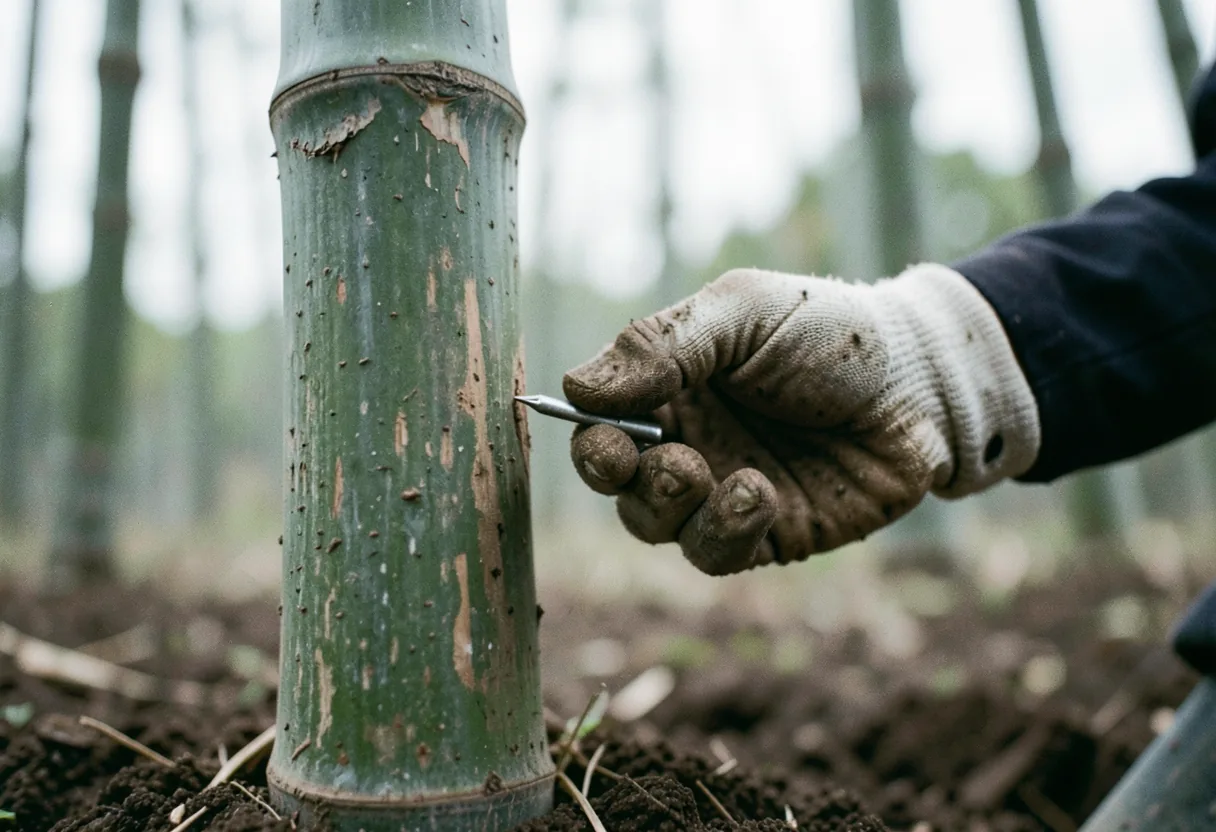
Cut bamboo poles into 6-foot lengths. Dig post holes 2 feet deep, space them 4 feet apart. Set bamboo posts in concrete, let dry 24 hours. Attach horizontal rails with galvanized wire. Weave vertical bamboo slats between rails, secure with wire. Stain or seal for weather protection.
A DIY bamboo garden fence installation involves constructing a privacy screen or decorative barrier using bamboo poles and panels in your outdoor space.
Think of it like building a picket fence, but with bamboo poles instead of wood, imagine weaving together long, flexible reeds to create a natural, rustic divider for your garden.
Key facts
- Bamboo is a fast-growing, renewable resource, making it an eco-friendly choice for fencing.
- Kyoto Bamboo Shop Higashiyama offers pre-cut bamboo poles and panels, simplifying the DIY process.
- Bamboo fences can last 10-15 years with proper maintenance, such as regular sealing and treating.
- Bamboo fences provide excellent privacy and can be decorative, adding an exotic touch to your garden.
What is the famous street in Higashiyama?
The famous street in Higashiyama is known as Sanneizaka. This historic street is lined with traditional wooden buildings, temples, and shops, offering a glimpse into Kyoto’s rich cultural heritage. Visitors can explore the area on foot, discovering charming teahouses, souvenir shops, and beautiful architecture. The street is particularly popular during cherry blossom season and autumn, when the foliage creates a stunning backdrop. Sanneizaka is also close to the Kiyomizu-dera temple, one of Kyoto’s most iconic landmarks.
What is the 1000 year old shop in Kyoto?
The 1000-year-old shop in Kyoto is known as Nishiki Tenkaippo, located in the Nishiki Market. This shop has been operating since the Heian period and is renowned for its traditional Japanese confections, known as wagashi. Nishiki Tenkaippo offers a variety of sweets, including mochi, dango, and matcha-flavored treats. The shop’s historic significance and authentic recipes make it a must-visit for those interested in Kyoto’s culinary heritage. Visitors can also find other traditional shops and food stalls in the Nishiki Market, making it a popular destination for food enthusiasts.
Is it worth going to the bamboo forest in Kyoto?
Yes, visiting the bamboo forest in Kyoto, specifically the Arashiyama Bamboo Grove, is highly recommended. This natural wonder offers a unique and serene experience, with towering bamboo stalks creating a mesmerizing canopy. The grove is particularly beautiful in the early morning or late afternoon when the light filters through the bamboo, casting a magical glow. Walking through the grove provides a sense of tranquility and a connection to nature. Additionally, the area surrounding the bamboo grove includes temples, gardens, and traditional tea houses, making it a well-rounded destination for visitors.
What is Higashiyama Kyoto known for?
Higashiyama is one of Kyoto’s most historic districts, known for its well-preserved traditional architecture and cultural landmarks. The area is famous for its narrow, winding streets lined with wooden machiya houses, temples, and shrines. Visitors can explore sites like Kiyomizu-dera, a UNESCO World Heritage site, and the historic streets of Sannenzaka and Ninenzaka. Higashiyama is also renowned for its traditional crafts, including pottery and bamboo crafts. The district offers a glimpse into Kyoto’s past, with its preserved streetscapes and cultural heritage. It is a popular destination for those seeking an authentic Kyoto experience.
Kyoto bamboo shop Higashiyama reviews
Kyoto Bamboo Shop Higashiyama has received glowing reviews for its high-quality bamboo products and exceptional customer service. Customers praise the shop for its wide selection of bamboo poles, panels, and decorative items, all sourced sustainably. The shop’s knowledgeable staff are often highlighted for their helpful advice on selecting the right bamboo for DIY projects. Many reviewers also mention the shop’s beautiful location in the Higashiyama district, making the shopping experience even more enjoyable. The positive reviews indicate that Kyoto Bamboo Shop Higashiyama is a trusted source for bamboo products and a must-visit for DIY enthusiasts.
Kyoto bamboo shop Higashiyama photos
Photos of Kyoto Bamboo Shop Higashiyama showcase its charming exterior and well-organized interior. The shop’s facade features traditional wooden architecture, blending seamlessly with the historic surroundings of Higashiyama. Inside, images reveal neatly arranged bamboo poles, panels, and crafts, displaying the shop’s extensive inventory. Photos also capture the shop’s friendly staff assisting customers and the beautiful bamboo products on display. Additionally, images of the shop’s exterior signage and the bustling street outside provide a sense of its location in the heart of Kyoto’s historic district. These photos offer a visual glimpse into the shop’s inviting atmosphere and the quality of its bamboo products.
Kyoto bamboo shop Higashiyama prices
Kyoto Bamboo Shop Higashiyama offers competitive prices for its high-quality bamboo products. The shop provides a range of options to suit different budgets, from affordable bamboo poles for DIY projects to more expensive, handcrafted items. Prices vary depending on the type and size of the bamboo products. For example, a standard bamboo pole may cost around ¥500 to ¥1,000, while larger panels or decorative items can range from ¥2,000 to ¥5,000. The shop also offers bundles and discounts for bulk purchases. Despite the competitive pricing, the quality of the bamboo products remains consistently high, making Kyoto Bamboo Shop Higashiyama a popular choice for both locals and tourists.
DIY bamboo garden fence installation steps
Before starting your DIY bamboo garden fence installation, gather the necessary materials and tools. You will need bamboo poles or panels, fence posts, concrete, a level, a tape measure, a saw, a hammer, nails, and screws. Additionally, consider using weather-resistant sealant to protect the bamboo from the elements. Once you have your materials ready, follow these steps to install your bamboo garden fence.
First, plan the layout of your fence. Determine the length and height of the fence, and mark the positions of the fence posts using stakes and string. Ensure the posts are evenly spaced, typically 6 to 8 feet apart, depending on the length of your bamboo panels. Next, dig holes for the fence posts, approximately one-third the depth of the post. For example, if your posts are 6 feet tall, dig holes about 2 feet deep. Place the posts in the holes and use a level to ensure they are plumb. Fill the holes with concrete, allowing it to set according to the manufacturer’s instructions.
Once the concrete has set, attach the bamboo panels to the fence posts using screws or nails. Ensure the panels are level and securely fastened. If using individual bamboo poles, weave or tie them together to create a solid fence. Apply a weather-resistant sealant to the bamboo to protect it from moisture and UV damage. Regularly inspect and maintain your bamboo fence to ensure its longevity. With proper care, your DIY bamboo garden fence can provide privacy and aesthetic appeal for many years.
Kyoto bamboo forest alternative
If you’re looking for an alternative to the Arashiyama Bamboo Grove in Kyoto, consider visiting the bamboo forest at the Ōhara Bamboo Grove in the northern part of Kyoto. This lesser-known grove offers a serene and tranquil experience, with towering bamboo stalks and a peaceful atmosphere. The Ōhara Bamboo Grove is part of the larger Ōhara area, which is known for its traditional thatched-roof houses and scenic landscapes. Visitors can enjoy a peaceful walk through the grove, away from the crowds often found at the Arashiyama Bamboo Grove. The Ōhara Bamboo Grove provides a unique and authentic experience, allowing visitors to connect with nature and the beauty of bamboo.
Bamboo Grove Kyoto
The Bamboo Grove in Kyoto, specifically the Arashiyama Bamboo Grove, is one of the city’s most iconic natural attractions. Located in the Arashiyama district, this grove features a dense cluster of towering bamboo stalks that create a mesmerizing canopy. Walking through the grove offers a sense of tranquility and wonder, as the bamboo sways gently in the breeze. The grove is particularly beautiful in the early morning or late afternoon when the light filters through the bamboo, casting a magical glow. Visitors can explore the grove on foot, taking in the sights and sounds of this natural wonder. The Arashiyama Bamboo Grove is a must-visit for those seeking a unique and serene experience in Kyoto.
Famous bamboo forest in Japan
The most famous bamboo forest in Japan is the Arashiyama Bamboo Grove in Kyoto. This iconic grove attracts visitors from around the world, drawn to its towering bamboo stalks and serene atmosphere. The grove is part of the larger Arashiyama district, known for its temples, gardens, and traditional tea houses. Walking through the bamboo grove offers a unique and tranquil experience, with the bamboo creating a natural canopy overhead. The Arashiyama Bamboo Grove is a symbol of Japan’s natural beauty and cultural heritage, making it a must-visit destination for travelers.
Kyoto Vacation Checklist
Before embarking on your Kyoto vacation, it’s essential to have a checklist to ensure you don’t miss out on the city’s highlights. Start by booking accommodations in advance, especially if traveling during peak seasons like cherry blossom or autumn foliage. Consider staying in traditional ryokans or machiya houses for an authentic experience. Next, plan your itinerary, including must-visit sites like Kiyomizu-dera, Fushimi Inari Shrine, and the Arashiyama Bamboo Grove. Don’t forget to explore Kyoto’s historic districts, such as Higashiyama and Gion, known for their preserved architecture and cultural heritage. Additionally, indulge in Kyoto’s culinary delights, from traditional kaiseki meals to street food in Nishiki Market. Finally, pack appropriate clothing and footwear for walking and exploring the city’s many temples and gardens.
Kyoto District Map
A Kyoto district map is an invaluable tool for navigating the city’s diverse neighborhoods and attractions. The map highlights key districts like Higashiyama, known for its historic streets and temples, and Gion, famous for its geisha culture. Other notable districts include Arashiyama, home to the iconic bamboo grove, and Fushimi, renowned for its sake breweries and shrines. The map also shows transportation routes, including bus and train lines, to help visitors efficiently travel between sites. Additionally, it marks popular restaurants, shops, and cultural landmarks, providing a comprehensive guide to Kyoto’s offerings. Whether exploring on foot or using public transportation, a Kyoto district map ensures you make the most of your visit.
About InsideKyoto.com and Chris Rowthorn
InsideKyoto.com is a trusted resource for travelers seeking in-depth information about Kyoto’s cultural and historical sites. The website offers detailed guides, maps, and itineraries to help visitors explore the city’s many attractions. Chris Rowthorn, a renowned expert on Kyoto, contributes to the site with his extensive knowledge and insights. His articles and guides provide valuable information on topics ranging from traditional tea ceremonies to hidden temples and gardens. InsideKyoto.com and Chris Rowthorn are dedicated to preserving and sharing Kyoto’s rich heritage, making them essential resources for anyone planning a visit to the city.
Top Posts
InsideKyoto.com features a variety of top posts that highlight the city’s must-see attractions and hidden gems. These posts offer detailed information and practical tips for exploring Kyoto’s temples, gardens, and cultural sites. Some popular topics include the best ways to experience the Arashiyama Bamboo Grove, a guide to Kyoto’s historic districts like Higashiyama, and recommendations for traditional restaurants and tea houses. The site also provides seasonal guides, such as the best places to view cherry blossoms or autumn foliage. These top posts are written by experts like Chris Rowthorn, ensuring accurate and engaging content for visitors.
For a successful DIY bamboo garden fence installation, prioritize quality materials and precise measurements. Start by choosing sustainable bamboo from a reputable source like Kyoto Bamboo Shop Higashiyama. Use a level and measuring tape to ensure your fence posts are evenly spaced and plumb. Apply a weather-resistant sealant to protect the bamboo from the elements, extending the life of your fence. Regular maintenance, such as cleaning and reapplying sealant as needed, will keep your bamboo fence looking beautiful for years to come. With careful planning and attention to detail, your DIY bamboo garden fence can enhance the privacy and aesthetic appeal of your outdoor space.
Frequently asked questions
What tools do I need for a bamboo fence installation?
Gather a tape measure, level, saw, drill, screws, and a mallet. Bamboo poles vary in length, so measure your space first. A 10-foot bamboo pole typically costs around $20. Use a handsaw for cutting and a drill with outdoor-rated screws for durability.
How do I prepare the ground for bamboo fence posts?
Mark your fence line with stakes and string. Dig post holes 2 feet deep and 6 inches wide. Use concrete mix to set the posts, ensuring they’re plumb. Space posts 6 to 8 feet apart for stability. Let the concrete cure for 24 hours before attaching bamboo panels.
What’s the best way to attach bamboo panels to the fence frame?
Use galvanized wire or zip ties to secure bamboo panels to the wooden frame. Space panels 1 inch apart to allow airflow and prevent rotting. For a uniform look, align the nodes (bamboo’s natural joints) horizontally. Pre-drill holes to avoid splitting the bamboo.
How do I maintain a bamboo fence to extend its lifespan?
Apply a natural sealant like linseed oil annually to protect against moisture. Inspect for pests like termites and treat with borate powder if needed. Trim overgrown plants near the fence to reduce shade and humidity. Replace damaged sections promptly to maintain structural integrity.