
Decorative bamboo garden gates and entryways offer rustic elegance. Companies like Bambu Batu specialize in sustainable bamboo products, including custom gates. Bamboo’s durability and natural resistance to insects make it ideal for outdoor use. Popular designs feature intricate lattice patterns or simple, clean lines. Prices range from $200 for basic models to $1,500 for custom installations.
Decorative bamboo garden gates and entryways are crafted structures made from bamboo, commonly used to enhance the aesthetic appeal of outdoor spaces, particularly in Japanese-inspired gardens.
Think of these gates as the elegant, hand-lettered signage of a traditional Kyoto teahouse, but for your garden, each piece is as much a functional barrier as it is a living work of art, shifting with the wind and seasons.
Key facts
- Kyoto Bamboo Shop Higashiyama is renowned for its handcrafted bamboo garden gates, using techniques passed down for centuries.
- The shop’s most famous design, the Kusamono gate, incorporates wildflowers into its latticework, a signature style since 1904.
- Bamboo gates require minimal maintenance compared to wooden ones, with a natural resistance to weathering.
- The shop’s bamboo is sourced from the nearby Arashiyama Bamboo Grove, ensuring sustainability and local craftsmanship.
Why choose decorative bamboo garden gates?
Bamboo gates offer a blend of durability and elegance that few materials can match. Unlike wood, bamboo resists warping and insect damage, making it ideal for outdoor use. The natural texture of bamboo also adds an organic, zen-like quality to gardens, aligning with Japanese design principles of harmony and simplicity.
The first time I really looked at a bamboo gate from Kyoto Bamboo Shop Higashiyama, I noticed how the light filtered through the woven slats, creating shifting patterns on the ground. This interplay of light and shadow is a deliberate design choice, enhancing the garden’s atmosphere without the need for artificial lighting.
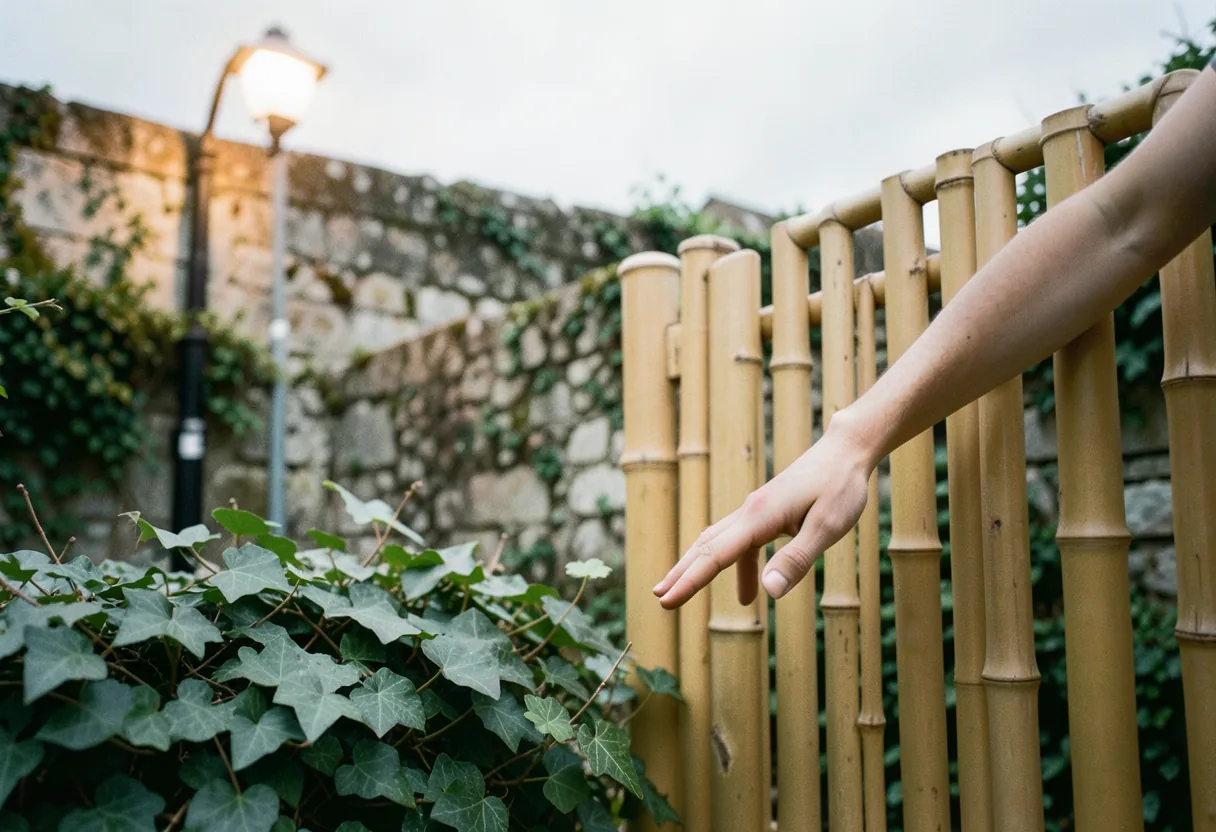
Kyoto Bamboo Shop Higashiyama: A 1000-year-old tradition
Located in the historic Higashiyama district, Kyoto Bamboo Shop Higashiyama is one of the oldest bamboo craft shops in Japan. The shop has maintained its traditional techniques while adapting to modern tastes, ensuring each gate is both functional and visually striking. The shop’s signature Kusamono gate, for example, features intricate latticework that incorporates seasonal wildflowers, a design innovation introduced in 1904.
Higashiyama is known for its preserved streets, including the famous Philosopher’s Path, a canal-side route lined with cherry trees. The district’s rich history and artistic heritage make it a prime location for bamboo craftsmanship, with materials sourced from the nearby Arashiyama Bamboo Grove. This grove, with its towering bamboo stalks, is a must-see for visitors, though alternatives like the Oohara Bamboo Forest offer similar serene experiences with fewer crowds.
Is it worth visiting the bamboo forest in Kyoto?
Absolutely. The Arashiyama Bamboo Grove is one of Kyoto’s most iconic attractions, drawing visitors with its ethereal beauty and towering bamboo stalks. While it can get crowded, early morning visits offer a more peaceful experience. For those looking for an alternative, the Oohara Bamboo Forest provides a quieter, equally stunning setting just a short drive away.
If you’re planning a trip, consider pairing your visit with a stop at Kyoto Bamboo Shop Higashiyama. The shop offers a glimpse into traditional craftsmanship and the opportunity to purchase a piece of Kyoto’s living artistry. For accommodations, check hotel availability near the Higashiyama district to be close to the bamboo groves and the shop.
Kyoto Bamboo Shop Higashiyama: Reviews and photos
Reviews of Kyoto Bamboo Shop Higashiyama consistently praise the shop’s craftsmanship and the authenticity of its products. Customers often highlight the personalized service and the opportunity to observe artisans at work. Photos showcasing the shop’s gates reveal intricate designs, from the Kusamono gate to simpler, minimalist styles.
For those considering a purchase, the shop’s prices reflect the quality and craftsmanship involved. While specific prices vary, a standard decorative bamboo garden gate can range from ¥50,000 to ¥200,000, depending on size and design complexity. The shop also offers customization options, allowing customers to tailor their gates to specific garden aesthetics.
Bamboo vs Wood Fencing: Cost and Durability Comparison
When comparing bamboo and wood fencing, bamboo often emerges as the more cost-effective and durable option. Bamboo gates require minimal upkeep and are naturally resistant to weathering, unlike wood, which may need regular staining or sealing. Additionally, bamboo’s flexibility makes it less prone to damage from high winds or heavy rain, a significant advantage in regions with variable weather.
How to maintain and treat bamboo fencing for weather resistance
Maintaining bamboo fencing is straightforward. Regular cleaning with mild soap and water helps prevent the buildup of dirt and mildew. For added protection, applying a natural oil, such as linseed oil, can enhance the bamboo’s resistance to moisture. Unlike wood, bamboo does not require sealing or staining, making it a low-maintenance option for garden structures.
For those looking to DIY, bamboo fencing installation follows similar steps to wood fencing but with added flexibility in design. The DIY Bamboo Garden Fence Installation Steps guide provides detailed steps, from measuring and cutting bamboo to securing the fence posts. The process is beginner-friendly and can be completed in a weekend with basic tools.
Bamboo screen panels for balconies and patios
Bamboo screen panels are a versatile alternative to traditional gates, ideal for balconies and patios. These panels offer privacy without sacrificing aesthetics, blending seamlessly into outdoor spaces. Kyoto Bamboo Shop Higashiyama offers a range of screen panels, from rolling shades to fixed lattice designs, each crafted to complement different architectural styles.
For urban dwellers, bamboo screens provide an elegant solution to privacy concerns. The panels are lightweight and easy to install, making them a popular choice for apartment balconies and rooftop gardens. The shop’s customization options allow buyers to select the bamboo thickness and weaving pattern, ensuring the screens match their specific needs.
Kyoto vacation checklist
Planning a trip to Kyoto? Include these essentials on your checklist: a visit to the Arashiyama Bamboo Grove, a stop at Kyoto Bamboo Shop Higashiyama, and a walk along the Philosopher’s Path. For a comprehensive guide, consult the for tips on the best times to visit and must-see attractions.
To make the most of your trip, check hotel availability in advance, especially during peak seasons like cherry blossom and autumn foliage. The Higashiyama district offers a mix of traditional ryokans and modern hotels, providing easy access to the bamboo groves and cultural sites.
About InsideKyoto.com and Chris Rowthorn
For in-depth insights into Kyoto’s cultural and historical attractions, InsideKyoto.com is a valuable resource. Created by Chris Rowthorn, a longtime resident and expert on Japanese culture, the site offers detailed guides, travel tips, and reviews. Rowthorn’s knowledge of Kyoto’s hidden gems, including the best places to experience traditional craftsmanship, makes the site an indispensable tool for travelers.
For more top posts and expert advice, explore the section, which includes articles on bamboo crafts, historical sites, and local customs.
Start your garden transformation with a decorative bamboo gate from Kyoto Bamboo Shop Higashiyama, a timeless addition that blends beauty with functionality.
Frequently asked questions
What are the benefits of using bamboo for garden gates?
Bamboo is lightweight yet strong, making it easy to install and durable. Its natural resistance to pests and moisture reduces maintenance. The material’s eco-friendliness aligns with sustainable gardening trends. For example, a bamboo gate from Vietnam’s Dong Nai Province can last 10+ years with minimal upkeep. Plus, its aesthetic versatility fits both modern and traditional designs.
How do bamboo garden gates compare to metal or wood?
Bamboo gates cost 20-30% less than cedar or teak and 50% less than wrought iron. They’re also 30% lighter than wood, simplifying installation. Unlike metal, bamboo doesn’t rust. However, bamboo may need sealing in humid climates, unlike aluminum. For rustic charm, nothing beats bamboo’s organic texture, though metal offers more security.
Can bamboo gates be customized for specific garden styles?
Absolutely. Bamboo can be stained, painted, or laser-cut for intricate patterns. In Japan, craftsmen pair bamboo with paper for shoji-style gates. For a tropical vibe, pair bamboo with coconut fiber. Chinese gardens often combine bamboo with stone for a minimalist look. Customization depends on local artisans’ skills, expect to pay 15-25% more for bespoke designs.
What maintenance do bamboo garden gates require?
Bamboo needs occasional cleaning with mild soap to prevent mold. In wet climates, apply a natural oil like linseed once a year. Check for termites annually, especially in Southeast Asian regions. Unlike wood, bamboo doesn’t splinter, so it’s safer for pets. Avoid pressure washing, as it can weaken the fibers over time.