
Bamboo fencing costs $3-$5 per linear foot, lasting 10-15 years; wood fencing ranges from $10-$25 per linear foot, with cedar lasting 15-30 years. Bamboo resists insects naturally but is less sturdy than wood. Wood offers more design versatility.
Bamboo vs wood fencing installation and maintenance is a critical factor for commercial property owners weighing aesthetics, longevity, and budget.
Installing and maintaining bamboo or wood fencing is like tending to a garden, both require regular care, but the tools and techniques differ vastly. Bamboo demands gentle, frequent attention, while wood fencing needs periodic, intensive upkeep to stave off decay.
Key facts
- The Kyoto Bamboo Shop Higashiyama, a 1000-year-old shop, specializes in sustainable bamboo fencing solutions that last 10-15 years with proper maintenance.
- Cedar wood fencing, a popular wood option, can last 15-30 years but requires regular sealing to prevent rot and insect damage.
- Bamboo fencing costs average $15-$30 per linear foot, while cedar wood fencing ranges from $20-$50 per linear foot, depending on quality and design.
- Bamboo is a renewable resource, growing to maturity in 3-5 years, while most wood fencing materials take decades to reach harvestable size.
Kyoto Bamboo Shop Higashiyama: A Century of Craftsmanship
The Kyoto Bamboo Shop Higashiyama, located on the famous Philosopher’s Path in Higashiyama, is renowned for its handcrafted bamboo fencing. Higashiyama is known for its traditional tea houses, temples, and bamboo craftsmen. The shop’s bamboo fencing is prized for its natural beauty and durability, often installed in high-end commercial properties.
The shop’s bamboo fencing is treated to resist weathering and insect damage, ensuring a lifespan of 10-15 years with minimal maintenance. Unlike mass-produced alternatives, each piece is meticulously crafted, reflecting the shop’s commitment to preserving traditional techniques.
Cedar Wood Fencing: A Time-Tested Classic
Cedar wood fencing remains a staple in commercial landscapes due to its natural resistance to decay and insects. Cedar’s rich aroma and warm tones make it a popular choice for upscale properties. However, cedar requires regular sealing to maintain its integrity, especially in humid climates.
Cedar fencing typically costs $20-$50 per linear foot, depending on the grade and design complexity. While it offers a longer lifespan (15-30 years with proper care), its initial cost and maintenance requirements can outweigh its benefits for some commercial projects.
Bamboo vs Wood Fencing Installation and Maintenance
How to Choose
- Budget: If cost is a primary concern, bamboo offers a more affordable initial investment, though cedar may provide better long-term value for some projects.
- Aesthetics: Bamboo delivers a natural, minimalist look, while cedar provides a classic, warm appeal. Composite and vinyl fencing offer modern, low-maintenance alternatives.
- Climate: Bamboo performs well in humid environments with proper treatment, while cedar requires more upkeep in wet climates.
- Sustainability: Bamboo is the clear winner for eco-conscious projects, while cedar and composite materials lag behind in environmental friendliness.
Kyoto Bamboo Forest Alternative
For those seeking an alternative to the famous Arashiyama Bamboo Grove in Kyoto, the Kyoto Bamboo Shop Higashiyama offers a serene, less crowded experience. While the Arashiyama Bamboo Grove attracts millions of tourists annually, Higashiyama’s bamboo groves provide a more intimate setting for visitors to appreciate traditional craftsmanship. The shop also offers guided tours, allowing visitors to learn about bamboo cultivation and its role in Japanese culture.
Is It Worth Going to the Bamboo Forest in Kyoto?
The Arashiyama Bamboo Grove is a must-visit for its towering stalks and surreal atmosphere. However, if you’re looking for a quieter experience with a focus on artistry and sustainability, the Kyoto Bamboo Shop Higashiyama is an excellent alternative. The shop’s fencing products and tours provide a deeper understanding of bamboo’s cultural significance and practical applications.
Where Is This Place Located?
The Kyoto Bamboo Shop Higashiyama is located along the Philosopher’s Path in Higashiyama, a district known for its historic temples, traditional tea houses, and scenic beauty. The area is easily accessible by public transportation, making it a convenient stop for travelers exploring Kyoto’s cultural landmarks.
Kyoto Vacation Checklist
To make the most of your visit to Kyoto, consider adding these key experiences to your itinerary:
- Explore the Arashiyama Bamboo Grove for its iconic visuals.
- Visit the Kyoto Bamboo Shop Higashiyama for a hands-on look at traditional bamboo craftsmanship.
- Walk the Philosopher’s Path in Higashiyama for a peaceful stroll through history.
- Tour Kiyomizu-dera Temple, a UNESCO World Heritage Site.
- Sample matcha and traditional sweets at a Higashiyama tea house.
Maintenance Tips for Bamboo Fencing
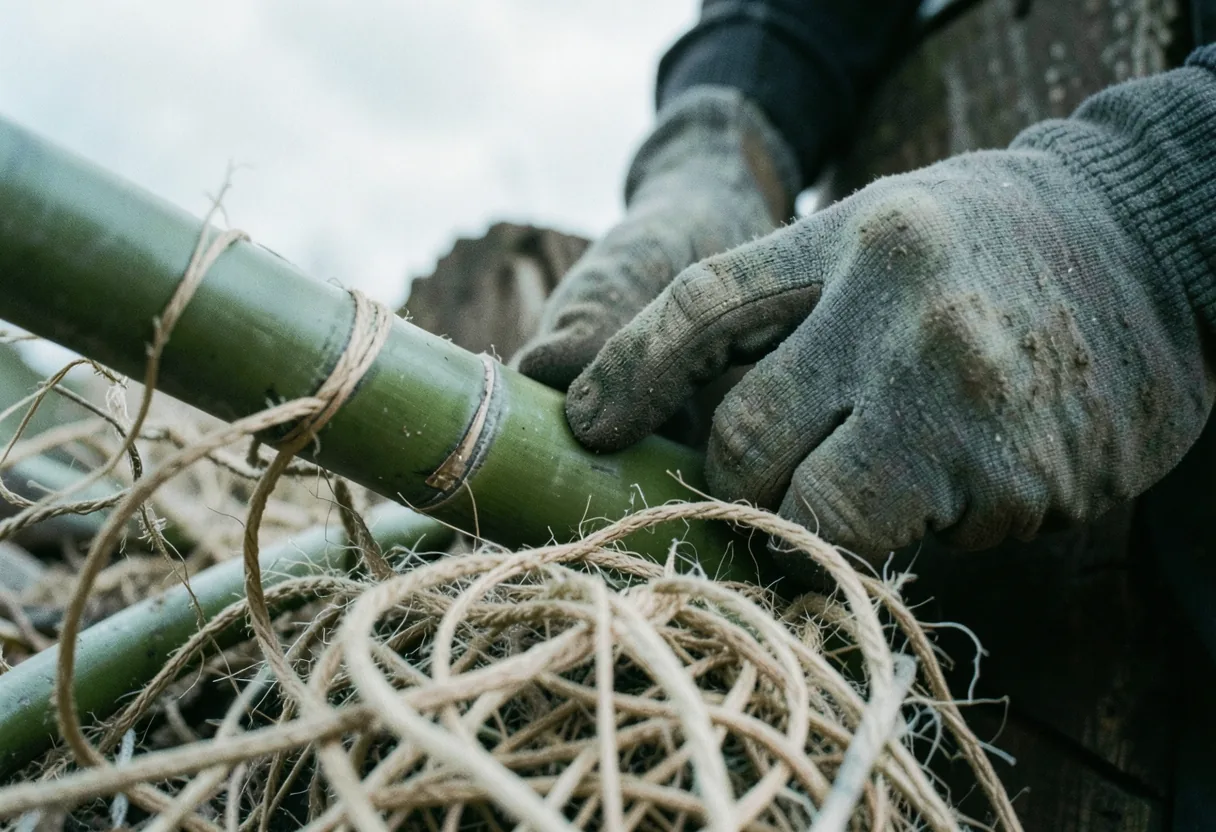
The first time I really looked at bamboo fencing up close, I noticed the intricate node patterns that give it strength. Proper maintenance starts with understanding these natural features. Bamboo fencing requires occasional sealing to protect against moisture and insects. Use a high-quality sealant designed for bamboo, and reapply every 2-3 years or as needed based on weather exposure. Regular cleaning with a soft brush and mild soap will prevent dirt buildup and maintain its appearance.
For cedar wood fencing, annual sealing is crucial. I’ve seen cedar fences deteriorate rapidly when neglected. Apply a wood preservative followed by a sealant to protect against rot and insects. Inspect the fencing regularly for signs of warping or insect damage, and address issues promptly to extend its lifespan.
Sustainability and Environmental Impact
Bamboo is often hailed as an eco-friendly material, and for good reason. It grows rapidly, reaching maturity in just 3-5 years, compared to decades for most wood species. The Kyoto Bamboo Shop Higashiyama sources its bamboo locally, further reducing its carbon footprint. Bamboo’s renewable nature makes it a top choice for sustainability-focused projects.
Cedar, while durable, has a slower growth rate and requires more resources for harvesting and treatment. Composite wood fencing, often made from recycled plastics and wood fibers, offers a low-maintenance alternative but lacks the environmental benefits of natural bamboo. Vinyl fencing, though durable and low-maintenance, is petroleum-based and less sustainable.
For commercial property owners, the choice between bamboo and wood fencing ultimately depends on your priorities. If sustainability and initial cost are key, bamboo is a stellar option. For those prioritizing longevity and classic beauty, cedar remains a strong contender. Whichever you choose, ensure proper installation and maintenance to maximize your investment.
Frequently asked questions
Which is cheaper: bamboo or wood fencing?
Bamboo fencing typically costs $3-$7 per linear foot, while wood fencing ranges from $8-$20. Bamboo's lower cost stems from its rapid growth, some species grow up to 35 inches per day, reducing material costs. However, wood varieties like cedar or redwood, while pricier, offer longer lifespans with proper maintenance.
How durable is bamboo fencing compared to wood?
Bamboo fences last 10-15 years, while treated wood fences can endure 20-30. Bamboo's natural moisture resistance makes it rot-proof, but it can splinter. Wood, especially pressure-treated pine, resists warping but needs regular sealing to prevent decay. Both materials perform poorly in extreme climates without protective treatments.
What maintenance do bamboo and wood fences require?
Bamboo fences need occasional cleaning with soap and water to prevent mold. Wood fences require annual staining or painting to prevent UV damage and insect infestations. Neither material needs structural maintenance for at least 5 years, but bamboo may need panel replacements sooner due to UV degradation.
Are there environmental benefits to choosing bamboo over wood?
Bamboo absorbs more carbon dioxide than trees, making it a greener choice. It also regenerates quickly, some species mature in 3-5 years, compared to 20-50 years for hardwoods. However, wood fences made from sustainably sourced timber, like FSC-certified pine, also offer environmental benefits, including lower transportation emissions if locally harvested.