
Bamboo thrives in USDA zones 5-11, needing full sun and well-draining soil. Plant rhizomes 10-12 inches deep, spacing them 5-7 feet apart. For running bamboo, use root barriers to control spread. Transplant in spring, water deeply post-planting, and mulch to retain moisture.
How to Plant and Transplant Bamboo Successfully
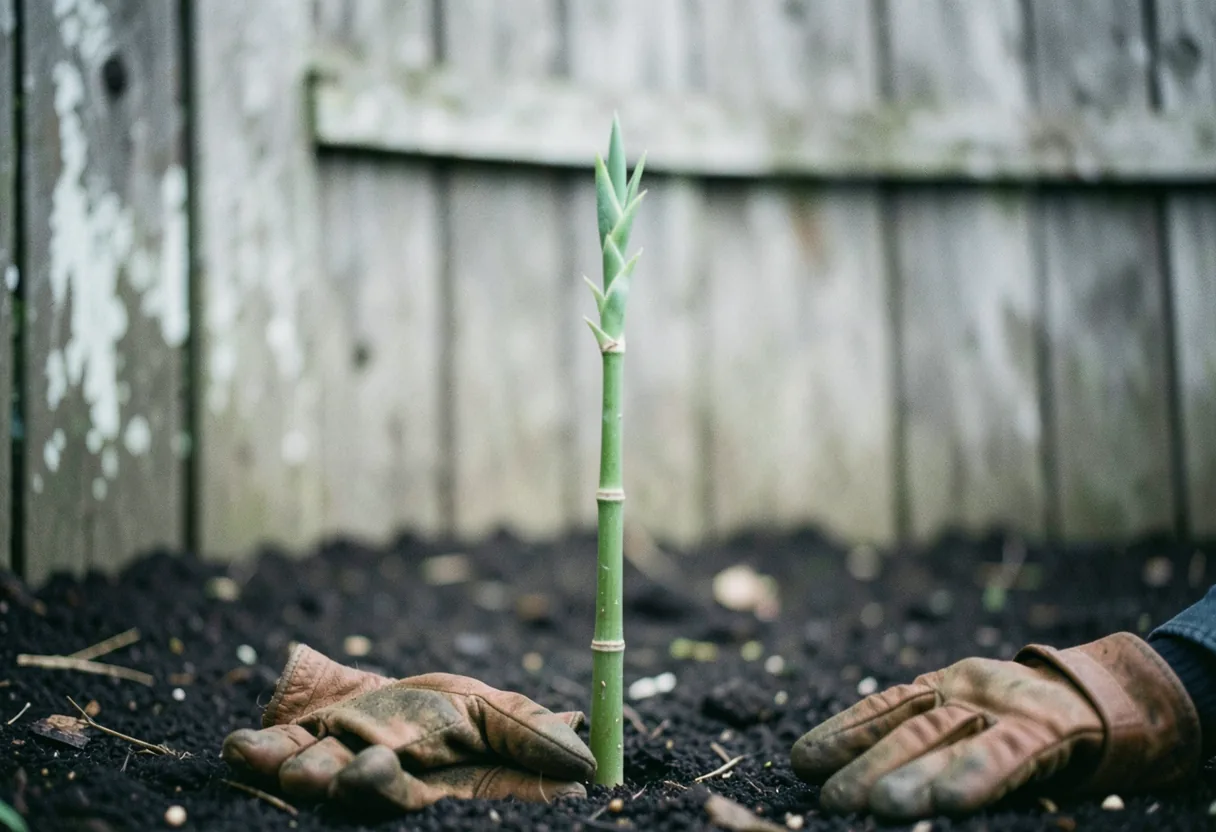
Planting and transplanting bamboo successfully requires careful preparation, timing, and technique to ensure healthy growth and establishment.
Think of planting bamboo like repotting a houseplant, but with a much larger scale and more complex root system. You need to give it enough space to grow, the right soil to thrive, and proper care to ensure it survives the transition.
Key facts
- Bamboo grows best in well-draining, slightly acidic soil with a pH between 5.5 and 6.5.
- Timing is crucial: late winter to early spring is the optimal time for planting and transplanting bamboo.
- Bamboo roots can spread aggressively, so consider using root barriers if planting running bamboo varieties.
What you need
- Bamboo plants or seedlings
- Shovel or spade
- Compost or organic matter
- Mulch
- Root barrier (for running bamboo varieties)
- Watering can or hose
- Pruning shears
Step-by-Step Procedure
- Choose the right location: Select a spot with partial to full sun and well-draining soil. Ensure the area is large enough to accommodate the bamboo’s mature size.
- Prepare the soil: Dig a hole twice as wide and just as deep as the bamboo’s root ball. Mix in compost or organic matter to improve soil fertility and drainage.
- Install root barriers (if necessary): For running bamboo varieties, install a root barrier around the planting area to prevent aggressive spreading. Bury the barrier at least 2 feet deep and extend it 6 inches above the soil.
- Plant the bamboo: Gently remove the bamboo from its container and place it in the hole. Ensure the top of the root ball is level with the ground. Fill in the hole with soil, gently firming it around the plant.
- Water thoroughly: After planting, water the bamboo deeply to settle the soil and eliminate air pockets. Keep the soil consistently moist but not waterlogged for the first few weeks.
- Mulch: Apply a 2-3 inch layer of mulch around the base of the bamboo to retain moisture, regulate soil temperature, and suppress weeds. Keep the mulch a few inches away from the stem to prevent rot.
- Prune if necessary: Remove any damaged or broken culms (stems) to encourage healthy growth. Avoid excessive pruning, as it can stress the plant.
- Monitor growth: Keep an eye on the bamboo’s growth and health. Adjust watering and care as needed based on the plant’s responses.
- Fertilize: Apply a balanced, slow-release fertilizer in early spring to promote healthy growth. Follow the manufacturer’s instructions for application rates.
Common Mistakes to Avoid
Overwatering: Bamboo likes moisture but can suffer from root rot if the soil is too wet. Ensure proper drainage and water only when the top inch of soil is dry.
Planting too deep: Planting the bamboo too deep can cause the stem to rot. Ensure the top of the root ball is level with the ground.
Ignoring root barriers: Running bamboo varieties can spread aggressively. Install root barriers to prevent unwanted spreading and potential damage to nearby structures.
Neglecting pruning: Regular pruning helps maintain the bamboo’s shape and encourages healthy growth. Remove dead or damaged culms promptly.
Kyoto Bamboo Shop Higashiyama Reviews
Kyoto Bamboo Shop Higashiyama, located in the historic Higashiyama district, is renowned for its high-quality bamboo products and expert advice on bamboo cultivation. The shop offers a variety of bamboo species suitable for different climates and gardening needs. Visitors often praise the shop’s knowledgeable staff and the unique atmosphere of the Higashiyama district.
Kyoto Bamboo Forest Alternative
If visiting the famous Bamboo Grove in Kyoto is not an option, consider exploring the Adachi Museum of Art’s bamboo garden in Yasugi, Shimane Prefecture. This lesser-known alternative offers a serene and picturesque bamboo grove, providing a peaceful escape similar to the more famous Kyoto attraction.
Is It Worth Going to the Bamboo Forest in Kyoto?
Absolutely. The Arashiyama Bamboo Grove is a must-visit destination in Kyoto. The towering bamboo stalks create a mesmerizing and almost surreal landscape. It’s a unique experience that showcases the beauty and tranquility of bamboo forests. Early mornings or late afternoons are the best times to visit to avoid crowds.
What Is the Famous Street in Higashiyama?
The famous street in Higashiyama is the historic Philosopher’s Path (Tetsugaku no Michi). This scenic stone path follows a canal lined with cherry and maple trees, temples, and traditional tea houses. It’s named after the philosopher Nishida Kitaro, who used to walk this path for his morning walks and contemplation.
What Is the 1000-Year-Old Shop in Kyoto?
One of the oldest shops in Kyoto is Nishiki Warai, located in the Nishiki Market area. This shop has been selling traditional Japanese fans and accessories for over 1000 years. It’s a fascinating place to explore the history and craftsmanship of Japanese fan-making.
Where Is the Kyoto Bamboo Shop Higashiyama Located?
The Kyoto Bamboo Shop Higashiyama is located in the Higashiyama district of Kyoto. This district is known for its traditional tea houses, temples, and historic streets. The shop’s exact address and contact information can be found on its official website or through online maps.
Bamboo Propagation Techniques
Bamboo can be propagated through several methods, including division, seeds, and culm cuttings. Division is the most common and reliable method, especially for clumping bamboo species. This technique involves carefully separating a section of the bamboo plant, including its roots, and transplanting it to a new location.
I once propagated a clumping bamboo species by division. I chose a healthy, mature plant and carefully dug around the base to expose the roots. Using a sharp spade, I divided the plant into smaller sections, ensuring each section had a good root system. I then transplanted these sections into prepared holes, watered them thoroughly, and monitored their growth. Within a few weeks, the new plants showed signs of healthy growth, and I knew the propagation was successful.
Bamboo Propagation Techniques Table
Kyoto Vacation Checklist
When planning a trip to Kyoto, make sure to include these essential experiences in your itinerary:
- Visit the Arashiyama Bamboo Grove.
- Explore the historic Higashiyama district.
- Tour the Kyoto Bamboo Shop Higashiyama.
- Walk the Philosopher’s Path.
- Visit the Kinkaku-ji (Golden Pavilion).
- Explore the Fushimi Inari Shrine.
- Experience traditional tea ceremonies.
- Try local Kyoto cuisine.
- Visit the Kyoto National Museum.
- Stay in a traditional ryokan (Japanese inn).
Kyoto District Map
To help navigate Kyoto’s many districts, refer to a detailed district map. This will assist in planning your visits to key attractions, including the Higashiyama district and the Kyoto Bamboo Shop Higashiyama. Maps are available online or at local tourist information centers.
About InsideKyoto.com and Chris Rowthorn
InsideKyoto.com is a valuable resource for travelers planning a trip to Kyoto. Founded by Chris Rowthorn, the website offers in-depth guides, reviews, and tips on exploring Kyoto’s cultural and historical sites. For more information, visit their website and explore their extensive collection of articles and resources.
Top Posts
For more insights into bamboo cultivation and Kyoto’s attractions, check out these top posts:
- Clumping vs Running Bamboo: How to Choose and Control Growth
- Best Clumping Bamboo Species for Small Gardens and Containers
- How to Stop Running Bamboo from Spreading in Your Yard
- Bamboo Root Barrier Installation Guide for Garden Control
- Fastest Growing Bamboo Varieties for Quick Privacy Screens
- Bamboo Fertilizer and Soil Requirements for Healthy Growth
Kyoto Bamboo Shop Higashiyama Photos
To get a visual sense of the Kyoto Bamboo Shop Higashiyama, browse through photos available on the shop’s official website or social media pages. These images showcase the shop’s unique products and the charming atmosphere of the Higashiyama district.
Kyoto Bamboo Shop Higashiyama Prices
The prices at Kyoto Bamboo Shop Higashiyama vary depending on the type of bamboo and the products offered. For specific pricing information, visit the shop’s website or contact them directly. They offer a range of bamboo plants, crafts, and other related items to suit different budgets.
Check Hotel Availability
To ensure a smooth trip to Kyoto, check hotel availability in advance. There are numerous accommodations available in the Higashiyama district and other parts of Kyoto. Online booking platforms can help you find the best deals and options that suit your preferences.
How to Plant and Transplant Bamboo Successfully: Summary Table
Bamboo Species Suitable for Transplanting
Successfully planting and transplanting bamboo requires careful planning and execution. By following the steps outlined above and avoiding common mistakes, you can ensure healthy growth and establish a thriving bamboo garden. For more information on bamboo species and cultivation tips, visit the Kyoto Bamboo Shop Higashiyama and explore their extensive collection of bamboo plants and products.
Frequently asked questions
What's the best time to plant bamboo?
Spring is ideal, especially in April or May, when soil temperatures reach 50°F (10°C). This gives roots time to establish before winter. For warmer climates, fall planting works too, ensuring 6-8 weeks before frost.
How far apart should bamboo plants be spaced?
Spacing depends on the species. Clumping bamboo like Fargesia should be 3-5 feet apart. Running bamboo, such as Phyllostachys, needs 7-10 feet to control spread. Always check specific variety requirements.
What's the right way to transplant established bamboo?
Dig a wide root ball, at least 2 feet in diameter, to minimize root damage. Water thoroughly the day before. Transplant on a cloudy day or early evening to reduce stress. Keep soil moist for 2-3 weeks post-transplant.
Can bamboo survive in containers?
Yes, especially dwarf varieties like Semiarundinaria fastuosa. Use a 20-30 gallon pot with drainage holes. Repot every 2-3 years, pruning roots to maintain health. Regular feeding with balanced fertilizer helps.