
Bamboo screen panels offer privacy and style for balconies and patios. They block up to 90% of sunlight, reducing heat. Popular brands like Bambrew and Teragren provide durable, pre-assembled options. Installation is simple with built-in hooks or adhesive strips. Panels range from $20 to $100 per square foot, depending on thickness and quality.
Bamboo screen panels for balconies and patios are crafted slatted barriers made from bamboo stalks, designed to provide privacy, shade, and aesthetic appeal to outdoor spaces.
Think of these panels as nature’s Venetian blinds: they let you control sunlight and views while adding a touch of organic elegance, much like how bamboo shades a forest floor without blocking it entirely.
Key facts
- Kyoto Bamboo Shop Higashiyama specializes in handcrafted bamboo panels, using traditional techniques perfected over centuries.
- Bamboo screen panels are 80% lighter than wood but offer comparable strength and durability.
- Panels typically range from 6 to 8 feet in height and 3 to 4 feet in width, with custom sizing available.
- They can last 10-15 years with proper maintenance, significantly longer than untreated wood screens.
What are bamboo screen panels for balconies and patios made of?
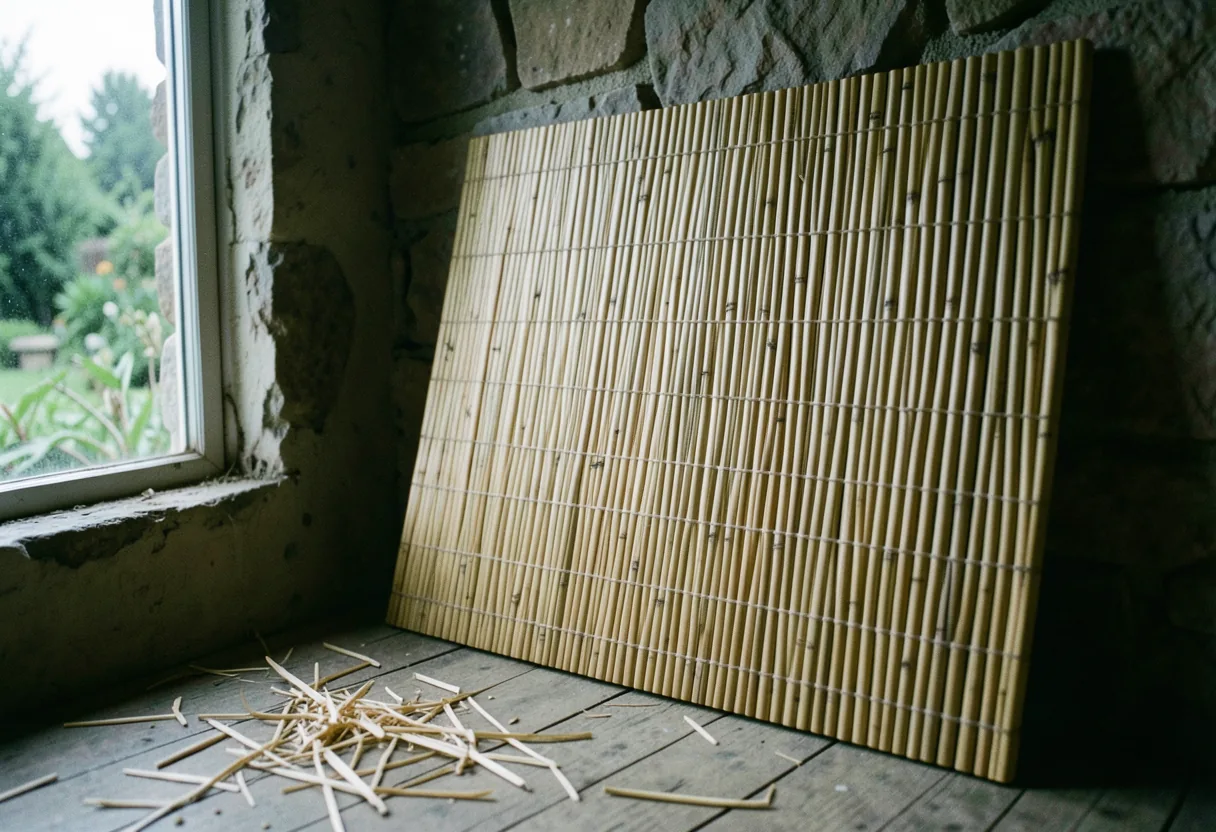
Bamboo screen panels are primarily constructed from mature bamboo stalks, often Moso bamboo (*Phyllostachys edulis*), prized for its strength and rapid growth. The stalks are split, treated, and woven or slatted into panels. Kyoto Bamboo Shop Higashiyama uses traditional kiln-drying methods to prevent warping and insect damage, ensuring longevity. Some premium panels incorporate rattan or other natural fibers for added texture.
These panels are typically framed with either bamboo or lightweight aluminum, depending on the intended use. Aluminum frames, for example, are common in urban settings where moisture resistance is critical. The first time I really looked at a high-quality bamboo screen up close, I noticed the subtle variations in the bamboo’s natural greenish-yellow hues, each panel tells a story of its growth environment, from the misty forests of Kyoto to your balcony.
Why choose bamboo screen panels over other materials?
Bamboo screens offer unique advantages over traditional materials like wood or synthetic composites. They are naturally resistant to UV rays, reducing fading over time, and their lightweight nature makes installation straightforward, often requiring no professional help. Unlike vinyl or plastic screens, bamboo is biodegradable and has a lower environmental footprint, aligning with sustainable living trends.
For commercial spaces like cafes or hotels, bamboo screens add a touch of Zen minimalism, blending seamlessly with both modern and traditional decor. The natural gaps between bamboo slats allow for airflow, making them ideal for hot climates or spaces that need ventilation. Compared to solid wood, bamboo screens are less prone to cracking, thanks to their natural flexibility.
Kyoto Bamboo Shop Higashiyama reviews: What do customers say?
Customers praise Kyoto Bamboo Shop Higashiyama for its attention to detail and the authenticity of its craftsmanship. One review highlights how the shop’s panels transformed a dull urban patio into a serene, garden-like retreat. Another customer noted the durability of their panels after two years of exposure to harsh coastal weather, with no signs of rot or pest damage. The shop’s customization options, such as panels with intricate weaves or those stained in earthy tones, are frequently mentioned as standout features.
While some customers mention higher upfront costs compared to mass-produced plastic screens, they emphasize the long-term value. The shop’s commitment to sustainable sourcing and traditional techniques resonates with eco-conscious buyers. For those seeking a balance of aesthetics and functionality, these panels are often described as a worthwhile investment.
Kyoto Bamboo Shop Higashiyama photos: What to expect
The shop’s online gallery showcases a variety of bamboo screen designs, from minimalist slatted panels to intricate woven patterns. Close-up photos reveal the natural texture of the bamboo, with visible nodes and subtle color variations that add character. Installation shots demonstrate how the panels can be mounted vertically or horizontally, depending on the desired privacy level and aesthetic.
Photos of the shop’s workshop offer a glimpse into the handcrafting process, with artisans shaping and treating the bamboo using time-honored methods. The contrast between the raw bamboo stalks and the finished panels highlights the transformation from nature to functional art. For potential buyers, these images provide a clear sense of the product’s quality and the care taken in its creation.
Kyoto Bamboo Shop Higashiyama prices: What’s the cost?
Prices at Kyoto Bamboo Shop Higashiyama vary based on size, design complexity, and customization. Standard 6-foot by 4-foot panels typically range from $200 to $400, while larger or intricately woven designs can cost up to $800. Custom orders, such as panels stained in specific colors or with unique weaves, may incur additional fees. The shop offers free shipping within Japan and discounted rates for international orders.
For those on a tighter budget, the shop provides pre-assembled modular panels that are easier to install and cost less than fully customized options. While the initial investment may seem high compared to synthetic alternatives, the longevity and low maintenance of bamboo screens often justify the expense. The shop’s website includes a price calculator to help customers estimate costs based on their specific needs.
Bamboo Grove Kyoto: A must-visit alternative
If you’re exploring bamboo options, a visit to the Arashiyama Bamboo Grove is a must. This iconic grove in Kyoto’s western outskirts features towering bamboo stalks that create a mesmerizing natural tunnel. Walking through the grove offers inspiration for how bamboo can transform a space, blending beauty with functionality. The grove’s serene atmosphere has made it a popular backdrop for photographs and a symbol of Kyoto’s harmony with nature.
For those unable to visit, the grove’s aesthetic can be replicated in smaller spaces using bamboo screen panels. The grove’s bamboo, primarily *Phyllostachys bambusoides*, is known for its straight, slender stalks, which are often featured in high-end furniture and screens. The grove’s popularity has led to increased awareness of bamboo’s versatility, making it a go-to material for outdoor design.
Is it worth going to the bamboo forest in Kyoto?
Absolutely. The Arashiyama Bamboo Grove is one of Kyoto’s most visited attractions, and for good reason. The grove’s otherworldly beauty, with sunlight filtering through the dense stalks, creates a surreal, almost dreamlike experience. It’s a testament to bamboo’s ability to dominate a landscape while remaining graceful. The grove is easily accessible from Kyoto’s city center and pairs well with nearby temples and gardens, making it a worthwhile addition to any itinerary.
For design enthusiasts, the grove serves as a living example of how bamboo can be both practical and artistic. Observing the way the stalks sway in the wind or how light plays through the leaves can spark ideas for using bamboo in your own space. The grove’s popularity also highlights the growing global interest in sustainable materials, positioning bamboo as a key player in eco-friendly design.
What is Higashiyama Kyoto known for?
Higashiyama is one of Kyoto’s most historic districts, renowned for its well-preserved machiya (traditional wooden townhouses), temples, and shrines. The area is a UNESCO World Heritage Site, home to landmarks like Kiyomizu-dera, a stunning wooden temple perched on a hillside. Higashiyama’s narrow streets and preserved Edo-era ambiance offer a glimpse into Kyoto’s past, making it a favorite among history buffs and photographers alike.
The district is also famous for its artisan workshops, including those specializing in pottery, textiles, and bamboo craftsmanship. Kyoto Bamboo Shop Higashiyama is one such workshop, carrying on centuries-old techniques that have earned Kyoto international acclaim. The area’s commitment to preserving traditional crafts ensures that visitors can witness, and even participate in, these time-honored practices.
Kyoto District Map: Where is Higashiyama located?
Higashiyama is situated in eastern Kyoto, bordered by the Kamo River to the west and the Higashiyama Mountain Range to the east. The district is easily accessible via Kyoto’s bus and subway systems, with several stops within walking distance of major attractions. The nearest subway station is Higashiyama, while the Gion-Shijo and Kawaramachi areas provide additional access points.
For those exploring on foot, Higashiyama’s layout is relatively compact, with most key sites within a 20-minute walk of each other. The district’s streets are pedestrian-friendly, with narrow alleys leading to hidden temples and teahouses. Maps and signs in English are widely available, making navigation straightforward. The district’s central location also makes it an ideal base for exploring other parts of Kyoto.
How to order bamboo screen panels from Kyoto Bamboo Shop Higashiyama
Ordering from Kyoto Bamboo Shop Higashiyama is straightforward. Visit their website to browse available designs or request a custom quote. The shop offers detailed measurements and material options to ensure your panels fit your space perfectly. For international orders, the website provides estimated shipping times and costs. Customer service is available to answer any questions about materials, installation, or customization.
Once your order is placed, the shop’s artisans begin crafting your panels using traditional techniques. Delivery times vary based on complexity, with standard orders typically shipped within 4-6 weeks. The shop provides installation guidelines and can recommend local professionals if needed. For those in Kyoto, in-person consultations are available to discuss your project in detail.
Check Hotel Availability: Where to stay near Higashiyama
For visitors exploring Higashiyama and its bamboo workshops, staying nearby offers convenience and immersion in Kyoto’s culture. The Gion district, known for its geisha culture, is a short walk away and offers a range of accommodations, from traditional ryokan to modern hotels. The Higashiyama Sanjo area is another popular choice, with easy access to temples and shopping.
For those seeking a more budget-friendly option, hostels and guesthouses in the Kawaramachi area provide comfortable stays within a 20-minute walk of Higashiyama’s attractions. Many hotels offer package deals that include entry to nearby temples or discounts at local workshops. Booking in advance is recommended, especially during peak tourist seasons like cherry blossom or autumn foliage.
Kyoto Vacation Checklist: What to pack and plan
When planning a trip to Kyoto with bamboo exploration in mind, pack comfortable walking shoes for navigating Higashiyama’s cobblestone streets. A lightweight camera or smartphone with a good camera is essential for capturing the bamboo grove’s beauty. Bring a reusable water bottle and sunscreen, as many attractions involve outdoor walking.
For those planning to visit Kyoto Bamboo Shop Higashiyama, note any specific measurements or design ideas you’d like to discuss. The shop’s artisans can provide guidance on selecting the right materials and styles for your space. If you’re planning a longer stay, consider visiting during a bamboo harvest season (typically spring or summer) to witness the crafting process firsthand.
For a seamless experience, plan your itinerary to include bamboo-related attractions alongside cultural sites like the Fushimi Inari Shrine or the Philosopher’s Path. This approach ensures you get a well-rounded Kyoto experience while focusing on your interest in bamboo craftsmanship.
When shopping for bamboo screen panels for balconies and patios, prioritize quality and craftsmanship. Kyoto Bamboo Shop Higashiyama’s handcrafted panels offer durability, aesthetic appeal, and a connection to traditional techniques. Whether you’re enhancing a personal space or a commercial property, investing in well-made bamboo screens ensures long-term satisfaction and a touch of natural beauty.
Frequently asked questions
What are the dimensions of standard bamboo screen panels for outdoor use?
Standard bamboo screen panels typically measure 4 feet by 8 feet, a size optimized for easy installation and compatibility with common balcony and patio railings. Custom sizes are available from specialty manufacturers, but the 4×8-foot panels dominate the market due to their versatility and ease of shipping.
How do bamboo screen panels compare to other materials like vinyl or metal?
Bamboo panels offer a natural aesthetic that vinyl and metal can't replicate. They are lightweight, eco-friendly, and provide good privacy. However, they require more maintenance than vinyl or metal, needing occasional sealing to prevent moisture damage. Vinyl is low-maintenance but lacks the organic look, while metal is durable but heavier and more expensive.
Can bamboo screen panels withstand extreme weather conditions?
Bamboo is naturally durable but can degrade under prolonged exposure to extreme weather. Panels treated with protective sealants can withstand moderate rain and sunlight. However, in areas with heavy snow or high winds, bamboo may warp or crack over time. Regular maintenance and using high-quality sealants can extend their lifespan.
What is the average cost of installing bamboo screen panels on a balcony?
The average cost ranges from $15 to $30 per linear foot, depending on the quality of bamboo and installation complexity. A typical 10-foot balcony might cost between $150 and $300 for materials and installation. DIY installation can reduce costs but may void warranties and risk improper fitting.