
Arashiyama Bamboo Grove has no entrance fee. Located in Kyoto, Japan, this natural attraction is free to visit, with the best access points being the trails near Tenryu-ji Temple or the Arashiyama district’s tourist information center.
The arashiyama bamboo grove entrance fee is free for visitors, but the experience extends beyond just the grove.
think of the Arashiyama Bamboo Grove as a natural art installation where the towering bamboo stalks are the exhibits, and the path through them is your gallery tour.
Key facts
- The Arashiyama Bamboo Grove is located in the Arashiyama district on the western outskirts of Kyoto, Japan.
- The grove is part of a larger area that includes temples, shrines, and other cultural sites.
- The bamboo species here is primarily Phyllostachys bambusoides, known as madake.
- The grove is open year-round, with the best visiting times being early morning or late afternoon to avoid crowds.
Is it free to enter Arashiyama Bamboo Grove?
The arashiyama bamboo grove entrance fee is indeed free, but there are some nuances to consider. While you won’t pay to walk through the grove itself, the surrounding area offers paid attractions like the Tenryu-ji Temple and its gardens, which require a fee of around 500 yen. Additionally, if you want to capture the grove from a higher vantage point, the Arashiyama Monkey Park Iwatayama charges around 700 yen for entry. For more details on nearby attractions, check out the Bamboo Garden Kyoto: Top Spots and Local Craft Markets article.
The first time I visited, I was struck by the sheer height of the bamboo stalks, some reaching up to 20 meters (65 feet). The grove’s free access allows visitors to wander at their own pace, soaking in the unique atmosphere. For a deeper dive into what makes this area special, see the What is Higashiyama Kyoto Known For: Streets, Shops, and Culture article.
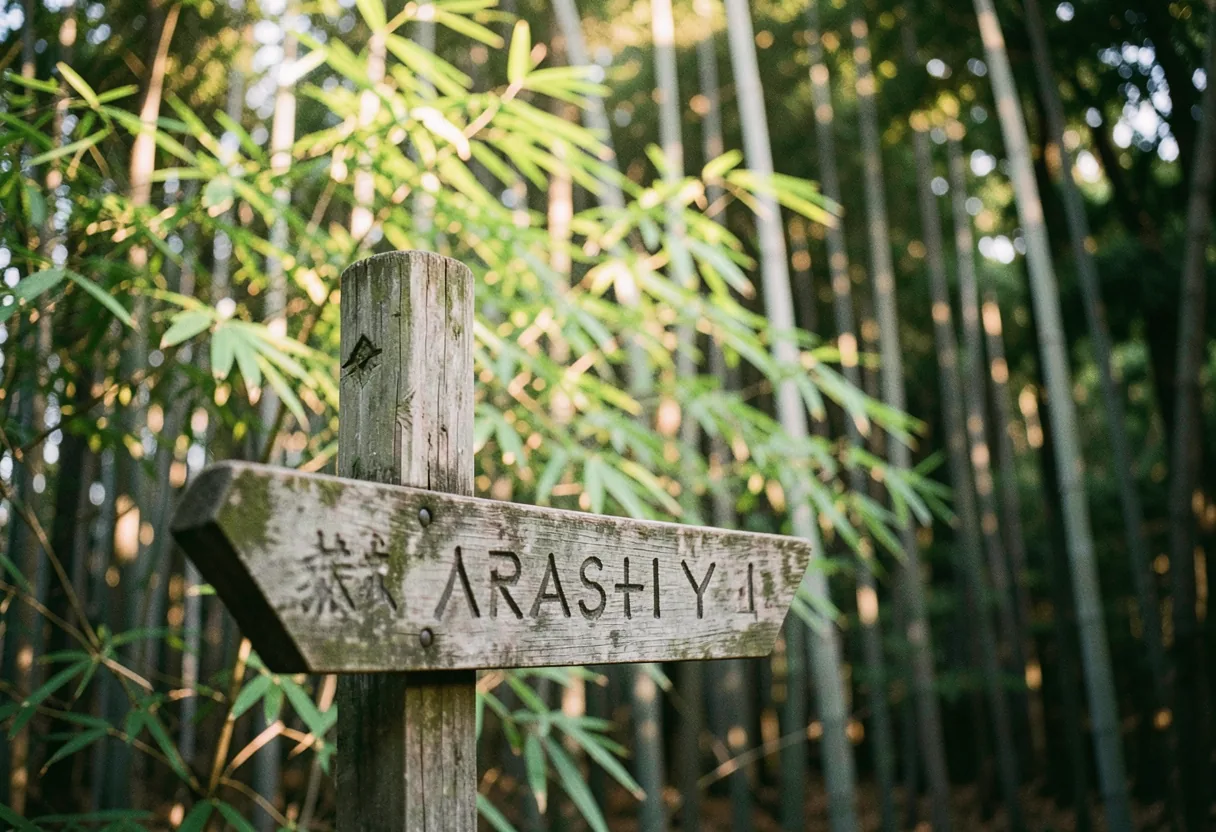
Arashiyama bamboo grove opening hours
The grove is open 24 hours a day, but the best times to visit are early in the morning or late in the afternoon. This is when the light is softest, casting a gentle glow on the bamboo stalks and creating a serene atmosphere. If you’re an early bird, arriving around sunrise will give you a chance to see the grove bathed in the soft morning light, with fewer crowds to contend with.
For those who prefer to visit later in the day, the late afternoon offers a different kind of beauty. The setting sun filters through the bamboo, creating long shadows and a warm, golden light. However, be aware that the area can get quite crowded during peak tourist seasons, so plan accordingly. For more tips on the best times to visit, refer to the Is It Worth Visiting the Bamboo Forest in Kyoto? Honest Guide guide.
How to get to Arashiyama Bamboo Grove
Getting to the Arashiyama Bamboo Grove is straightforward, thanks to Kyoto’s efficient public transportation system. The most common route is to take the JR Sagano Line from Kyoto Station to Saga-Arashiyama Station, which takes about 15-20 minutes. From there, it’s a short 10-minute walk to the grove. Alternatively, you can take the Randen Tram from Shin-Hankyu Arashiyama Station, which adds a touch of vintage charm to your journey.
If you’re coming from other parts of Kyoto, buses are another option. The Kyoto Bus System operates several routes that stop near the grove, including the number 28 bus from Kyoto Station. For detailed directions and transportation options, the Famous Bamboo Forest in Japan: Arashiyama vs Kyoto Alternatives article provides a comprehensive overview.
How long does it take to walk through Arashiyama Bamboo Forest?
Walking through the Arashiyama Bamboo Forest typically takes about 30 minutes to an hour, depending on your pace and how often you stop to take photos. The main path through the grove is about 0.5 kilometers (0.3 miles) long, but the experience is much more than just a quick stroll. The towering bamboo stalks create a mesmerizing canopy, and the soft rustling of the leaves adds to the sensory experience.
For those who want to spend more time exploring, the surrounding area offers additional paths and trails. The Togetsukyo Bridge, for example, provides a scenic view of the Hozu River and is just a short walk from the grove. For more information on nearby attractions and how to make the most of your visit, see the Bamboo Garden Kyoto: Top Spots and Local Craft Markets article.
Is Arashiyama Bamboo Grove worth visiting?
Absolutely. The Arashiyama Bamboo Grove is one of Kyoto’s most iconic natural attractions, offering a unique blend of natural beauty and cultural significance. The grove’s towering bamboo stalks create a surreal landscape that feels like stepping into another world. Whether you’re a photography enthusiast, a nature lover, or simply looking for a peaceful escape, the grove has something to offer.
The surrounding area is also rich in cultural heritage, with temples, shrines, and traditional tea houses dotting the landscape. For a more detailed assessment of the grove’s worth, the Is It Worth Visiting the Bamboo Forest in Kyoto? Honest Guide guide provides an honest review and tips for making the most of your visit.
Arashiyama bamboo grove at night
Visiting the Arashiyama Bamboo Grove at night is a unique experience, though it comes with some considerations. The grove is officially open 24 hours a day, but after dark, the atmosphere changes dramatically. The towering bamboo stalks take on a mysterious quality under the moonlight, and the absence of crowds creates a sense of solitude and tranquility.
However, it’s important to note that the path through the grove can be dimly lit and may be slippery, so proper footwear and a flashlight are recommended. Additionally, some nearby attractions, like the Tenryu-ji Temple, may not be accessible after hours. For more insights into nighttime visits, the Bamboo Garden Kyoto: Top Spots and Local Craft Markets article offers valuable tips.
Arashiyama Bamboo grove map
A map of the Arashiyama Bamboo Grove is essential for navigating the area efficiently. The main path through the grove is well-marked, but having a map can help you explore the surrounding attractions as well. Key points of interest include the Tenryu-ji Temple, the Togetsukyo Bridge, and the Arashiyama Monkey Park Iwatayama.
For a detailed map and additional information on nearby attractions, the Bamboo Garden Kyoto: Top Spots and Local Craft Markets article provides a comprehensive guide. This includes directions to the grove and recommendations for other must-see spots in the Arashiyama district.
Arashiyama bamboo forest best time to visit
The best time to visit the Arashiyama Bamboo Forest depends on your preferences and the type of experience you’re seeking. Early morning visits offer a serene atmosphere with soft morning light filtering through the bamboo stalks. Late afternoon visits provide a warm, golden glow as the sun sets, creating a magical ambiance. For photography enthusiasts, the soft light of early morning or late afternoon can enhance the visual appeal of the grove.
To avoid crowds, consider visiting during the off-peak seasons, such as late autumn or early spring. The grove is open year-round, but the weather and crowd levels can vary significantly. For more tips on the best times to visit, the Is It Worth Visiting the Bamboo Forest in Kyoto? Honest Guide guide offers valuable insights.
Is Monkey Park cash only?
Yes, the Arashiyama Monkey Park Iwatayama is cash only. The park does not accept credit or debit cards, so it’s a good idea to have some yen on hand if you plan to visit. The entry fee is around 700 yen for adults and 400 yen for children. The park is home to over 170 Japanese macaques, and the views from the top are well worth the climb.
For more information on the Monkey Park and other nearby attractions, the Bamboo Garden Kyoto: Top Spots and Local Craft Markets article provides a comprehensive overview. This includes details on the best times to visit and what to expect during your trip.
Kyoto Station to Arashiyama Bamboo Forest train
Taking the train from Kyoto Station to the Arashiyama Bamboo Forest is a convenient and efficient option. The JR Sagano Line operates frequent services from Kyoto Station to Saga-Arashiyama Station, with a journey time of about 15-20 minutes. From Saga-Arashiyama Station, it’s a short 10-minute walk to the grove.
Alternatively, you can take the Randen Tram from Shin-Hankyu Arashiyama Station, which adds a touch of vintage charm to your journey. The tram ride offers scenic views of the surrounding area and is a popular choice for tourists. For more detailed information on transportation options, the Famous Bamboo Forest in Japan: Arashiyama vs Kyoto Alternatives article provides a comprehensive guide.
Arashiyama Temples
The Arashiyama district is home to several notable temples, each offering a unique blend of history, culture, and natural beauty. The Tenryu-ji Temple, a UNESCO World Heritage Site, is one of the most famous temples in the area. Its gardens are particularly noteworthy, featuring a stunning kare-sansui (dry landscape) garden that dates back to the 14th century. The temple is open to visitors, with an entrance fee of around 500 yen.
Another notable temple is the Gio-ji Temple, known for its moss garden and the iconic “Bamboo Grove” that inspired the nearby Arashiyama Bamboo Grove. The temple is smaller and less crowded than Tenryu-ji, offering a more intimate and peaceful experience. For more information on the temples in the Arashiyama district, the What is Higashiyama Kyoto Known For: Streets, Shops, and Culture article provides a detailed overview.
How to get from Kyoto to Arashiyama Bamboo Forest
Getting from Kyoto to the Arashiyama Bamboo Forest is straightforward, thanks to the city’s efficient public transportation system. The most common route is to take the JR Sagano Line from Kyoto Station to Saga-Arashiyama Station, which takes about 15-20 minutes. From there, it’s a short 10-minute walk to the grove. Alternatively, you can take the Randen Tram from Shin-Hankyu Arashiyama Station, which adds a touch of vintage charm to your journey.
For those who prefer to travel by bus, the Kyoto Bus System operates several routes that stop near the grove, including the number 28 bus from Kyoto Station. The bus ride takes about 30-40 minutes, depending on traffic. For more detailed information on transportation options, the Famous Bamboo Forest in Japan: Arashiyama vs Kyoto Alternatives article provides a comprehensive guide.
Arashiyama Ryokans
Staying in an Arashiyama ryokan (traditional Japanese inn) offers a unique and authentic experience, allowing you to immerse yourself in the local culture and hospitality. The Hoshinoya Kyoto is one of the most renowned ryokans in the area, offering luxurious accommodations and stunning views of the Hozu River. The ryokan is known for its traditional multi-course kaiseki meals, which showcase the best of Japanese cuisine.
Another notable option is the Arashiyama Benkei, a historic ryokan that has been welcoming guests since 1929. The ryokan is named after Benkei, a legendary warrior who is said to have trained in the area. The Arashiyama Benkei offers a variety of rooms, including traditional tatami rooms and modern Western-style rooms. For more information on ryokans in the Arashiyama district, the What is Higashiyama Kyoto Known For: Streets, Shops, and Culture article provides a detailed overview.
Steps to plan your visit
- Research: Gather information about the Arashiyama Bamboo Grove and surrounding attractions. Check out the Bamboo Garden Kyoto: Top Spots and Local Craft Markets article for a comprehensive guide.
- Plan your route: Decide on the best transportation option for your trip. The Famous Bamboo Forest in Japan: Arashiyama vs Kyoto Alternatives article offers detailed information on getting to the grove.
- Check opening hours: Familiarize yourself with the opening hours of the grove and nearby attractions. The Is It Worth Visiting the Bamboo Forest in Kyoto? Honest Guide guide provides valuable insights.
- Prepare for your visit: Pack appropriate clothing and footwear, and bring a map of the area. The What is Higashiyama Kyoto Known For: Streets, Shops, and Culture article offers tips for making the most of your visit.
- Explore: Spend time exploring the grove and surrounding attractions. Take your time to appreciate the natural beauty and cultural significance of the area.
In short, the arashiyama bamboo grove entrance fee is free, making it an accessible and must-visit destination in Kyoto. Whether you’re looking for a peaceful retreat or a cultural experience, the grove and its surroundings offer something for everyone.
Frequently asked questions
What is the famous street in Higashiyama?
The famous street in Higashiyama is the Sanneizaka. This historic street is lined with traditional wooden buildings, temples, and tea houses. It's a popular spot for visitors who want to experience Kyoto's old-world charm.
What is the 1000 year old shop in Kyoto?
The 1000-year-old shop in Kyoto is Nishiki Warai. Located in the Nishiki Market area, this shop has been operating since around the year 1000, specializing in traditional Japanese confectionery.
Is it worth going to the bamboo forest in Kyoto?
Yes, visiting the Arashiyama Bamboo Grove is definitely worth it. The towering bamboo stalks create a serene and surreal atmosphere. It's best visited early in the morning to avoid crowds and enjoy the peaceful environment.
What is Higashiyama Kyoto known for?
Higashiyama Kyoto is known for its well-preserved traditional architecture and historic sites. Key attractions include Kiyomizu-dera Temple, Sannenzaka, and Ninenzaka. The area offers a glimpse into Kyoto's past with its narrow streets and old wooden houses.