
Bamboo furniture restoration begins with cleaning using mild soap and water. Sand lightly with 120-grit sandpaper, then progress to 220-grit for smoothness. Apply a bamboo-specific sealant like Tung oil or polyurethane for protection. For finishing, use natural wax or a clear lacquer for a polished look.
Bamboo furniture restoration and finishing techniques are specialized processes that revive the natural beauty of bamboo while protecting it from wear and environmental damage.
Think of it like refinishing an antique violin – you’re not just cleaning the surface, but also restoring the resonance and luster that makes it sing.
Key facts
- Kyoto Bamboo Shop Higashiyama is renowned for its traditional restoration methods, some dating back centuries.
- Bamboo’s natural oils must be preserved to prevent splitting and warping during restoration.
- The finishing process often involves natural lacquers like urushi, which can take weeks to cure.
- Restored bamboo furniture can last for generations if properly maintained.
What is the famous street in Higashiyama?
The famous street in Higashiyama is known as Sanneizaka, a historic pathway lined with traditional wooden machiya houses and teahouses. This street is part of the larger Higashiyama District, which is celebrated for its preserved Edo-period architecture and cultural heritage. Walking down Sanneizaka offers a glimpse into Kyoto’s past, with its stone-paved slopes and lantern-lit alleys leading to Kiyomizu-dera, one of Kyoto’s most iconic temples.
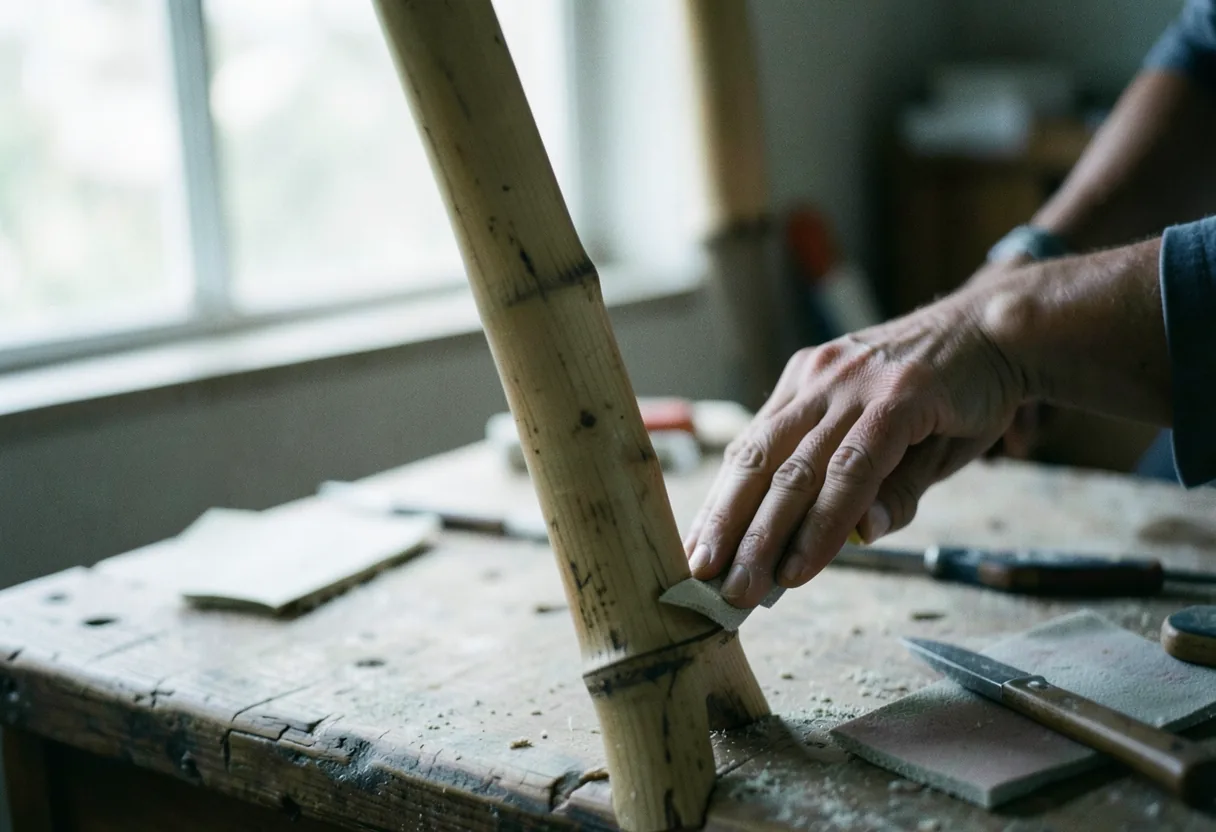
Why choose Kyoto Bamboo Shop Higashiyama for bamboo furniture restoration and finishing techniques?
Kyoto Bamboo Shop Higashiyama stands out for its commitment to traditional craftsmanship. The shop is housed in a building that has been passed down through generations, and its artisans use techniques that have been refined over centuries. Unlike modern restoration methods that might rely on synthetic finishes, Kyoto Bamboo Shop Higashiyama emphasizes natural materials and time-honored processes.
The shop’s location in Higashiyama, near the famous bamboo forest, also adds to its authenticity. The artisans here understand the unique properties of bamboo grown in this region, ensuring that each piece is treated with the care it deserves. Whether you’re restoring an antique chair or a modern bamboo table, the techniques used here ensure longevity and beauty.
What is the 1000-year-old shop in Kyoto?
The 1000-year-old shop in Kyoto is Nishiki Warai, a traditional shop located in the Nishiki Market area. Nishiki Warai is famous for its high-quality washi paper and traditional Japanese crafts. While not all shops in Kyoto are 1000 years old, Nishiki Warai represents the city’s deep-rooted craftsmanship and cultural heritage. This shop has been a staple in Kyoto for centuries, offering a unique blend of history and artistry.
Is it worth going to the bamboo forest in Kyoto?
Absolutely. The bamboo forest in Kyoto, known as the Arashiyama Bamboo Grove, is a must-visit for its serene beauty and unique atmosphere. Walking through the towering bamboo stalks creates a sense of tranquility and wonder. The grove is particularly stunning in the early morning when the light filters through the bamboo, casting dappled shadows on the ground. It’s a perfect place for photography, meditation, or simply enjoying nature.
What is Higashiyama Kyoto known for?
Higashiyama Kyoto is known for its well-preserved historic districts, traditional tea houses, and cultural landmarks. The area is home to several famous temples, including Kiyomizu-dera and Kennin-ji, the oldest Zen temple in Kyoto. Higashiyama is also famous for its pottery district, where artisans create Kyoto-yaki ceramics. The district’s narrow streets, lined with traditional shops and restaurants, offer a glimpse into Kyoto’s past.
Kyoto bamboo shop Higashiyama reviews
Kyoto Bamboo Shop Higashiyama has received glowing reviews for its exceptional craftsmanship and customer service. Visitors often praise the shop’s knowledgeable artisans, who take the time to explain the restoration process and the history behind each piece. Many customers highlight the shop’s attention to detail and the use of natural materials, which ensure the longevity of the restored furniture.
Kyoto bamboo shop Higashiyama photos
The shop’s website and social media pages feature stunning photos of bamboo furniture before and after restoration. These images showcase the intricate details and the natural beauty of bamboo. The photos also highlight the shop’s workshop, where artisans meticulously work on each piece. For those planning a visit, these photos provide a sneak peek into the craftsmanship and the serene atmosphere of the shop.
Kyoto bamboo shop Higashiyama prices
The prices at Kyoto Bamboo Shop Higashiyama vary depending on the complexity of the restoration and the type of bamboo furniture. While the shop offers competitive pricing, it’s important to note that the use of natural materials and traditional techniques can make the process more time-consuming and labor-intensive. Customers often find that the quality and durability of the restored furniture justify the investment.
Bamboo Grove Kyoto
The Bamboo Grove in Kyoto, located in the Arashiyama district, is one of the city’s most iconic natural attractions. The grove is a dense forest of bamboo stalks that tower above visitors, creating a unique and serene atmosphere. Walking through the grove is a popular activity for both locals and tourists, offering a peaceful escape from the bustling city. The grove is particularly beautiful in the early morning and late afternoon when the light creates a magical effect.
Famous bamboo forest in Japan
The most famous bamboo forest in Japan is the Arashiyama Bamboo Grove in Kyoto. This grove is renowned for its towering bamboo stalks, which can grow up to 25 meters in height. The grove is a popular spot for photography, meditation, and enjoying nature. Other notable bamboo forests in Japan include the Kirishima Bamboo Grove in Kagoshima and the Takao Bamboo Grove in Tokyo. Each of these forests offers a unique experience and a chance to connect with nature.
Check Hotel Availability
For those planning a trip to Kyoto, it’s essential to check hotel availability in advance. Kyoto is a popular tourist destination, and accommodations can fill up quickly, especially during peak seasons. Websites like Booking.com and Agoda offer a wide range of options, from traditional ryokans to modern hotels. Booking early ensures that you secure the best rates and locations, allowing you to fully enjoy your visit to Kyoto.
Where Is This Place Located?
Kyoto Bamboo Shop Higashiyama is located in the historic Higashiyama District of Kyoto. The shop is easily accessible by public transportation, with several bus stops and train stations nearby. The exact address and directions can be found on the shop’s website. Visitors can also use Google Maps for detailed directions and travel times from their current location.
Kyoto Vacation Checklist
Planning a vacation to Kyoto requires careful preparation to ensure you make the most of your trip. Here’s a checklist to help you get started:
- Book your accommodations in advance.
- Research the best times to visit popular attractions.
- Pack comfortable walking shoes for exploring the city.
- Bring a camera to capture the beautiful scenery.
- Learn a few basic Japanese phrases to enhance your experience.
- Plan your meals and try local Kyoto cuisine.
- Visit Kyoto Bamboo Shop Higashiyama for a unique cultural experience.
Kyoto District Map
A Kyoto district map is an essential tool for navigating the city. Kyoto is divided into several districts, each with its own unique attractions and characteristics. The Higashiyama District, for example, is known for its historic temples and traditional shops. Other notable districts include Gion, famous for its geisha culture, and Fushimi, known for its sake breweries. A detailed map can help you plan your itinerary and ensure you don’t miss any of Kyoto’s must-see spots.
About InsideKyoto.com and Chris Rowthorn
InsideKyoto.com is a comprehensive resource for travelers planning a trip to Kyoto. The website offers detailed guides, maps, and recommendations for exploring the city. Chris Rowthorn, the founder of InsideKyoto.com, is an expert on Japanese culture and history. His insights and knowledge provide valuable information for visitors, helping them make the most of their time in Kyoto.
Top Posts
For those looking to dive deeper into Kyoto’s culture and attractions, InsideKyoto.com features a variety of top posts. These articles cover a wide range of topics, from the best temples to visit to the hidden gems of Kyoto. Whether you’re interested in history, food, or art, these posts offer valuable insights and recommendations to enhance your visit.
By understanding the intricate process of bamboo furniture restoration and finishing techniques, you can appreciate the artistry and craftsmanship that goes into preserving these beautiful pieces. Whether you’re restoring a family heirloom or simply admiring the work of skilled artisans, the techniques used by Kyoto Bamboo Shop Higashiyama offer a glimpse into the rich cultural heritage of Kyoto.
Frequently asked questions
What tools are essential for bamboo furniture restoration?
You'll need a scraper for stripping old finishes, 120-220 grit sandpaper for smoothing, and a bamboo-specific primer like Minwax Pre-Stain Wood Conditioner. A sharp utility knife helps with precise cuts, while a soft-bristle brush applies finishes evenly. Don't overlook a well-ventilated workspace; bamboo dust is particularly irritating to the lungs.
How do you repair splits or cracks in bamboo furniture?
For minor cracks, bamboo glue like Titebond III works best. For larger splits, insert thin bamboo splines soaked in glue. Clamp the piece for 24 hours to ensure a strong bond. Sand the repaired area smooth before refinishing. Always match the spline material to the original bamboo to maintain consistency.
What type of finish is best for outdoor bamboo furniture?
Use a marine-grade spar varnish like TotalBoat for outdoor pieces. It flexes with bamboo's natural movement and resists UV damage. Apply at least three coats, sanding lightly between each. Reapply every 1-2 years for maximum protection. Avoid regular polyurethane; it peels when exposed to direct sunlight.
Can you dye bamboo furniture?
Yes, use water-based aniline dyes specifically formulated for bamboo. Test the dye on a scrap piece first, as bamboo absorbs color unevenly. Apply with a foam brush in thin, even coats. Seal with a clear polyurethane topcoat to prevent fading. Dyeing is best done before any final finishing steps for consistent results.