
Bamboo lighting fixtures DIY projects start with sourcing sustainable bamboo poles. Cut and sand them into desired lengths, then shape into frames using twine or wire. For lampshades, weave bamboo strips into cylindrical or dome shapes. Secure with eco-friendly adhesives or stitching. Popular designs include pendant lights and floor lamps.
Bamboo lighting fixtures and lampshade DIY projects transform this renewable material into functional art for your home, with Kyoto Bamboo Shop Higashiyama offering expert tools and guidance.
Think of bamboo as nature’s LED filament: flexible, warm, and capable of casting intricate light patterns when carefully shaped and treated.
Key facts
- Kyoto Bamboo Shop Higashiyama specializes in 100-year-old techniques for crafting bamboo lighting
- Bamboo’s natural nodes create built-in structural support for lampshade designs
- Untreated bamboo has a 3-5 year lifespan indoors; treated bamboo can last decades
- The shop sources bamboo exclusively from Kyoto’s famous Arashiyama Bamboo Grove
Why Kyoto Bamboo Shop Higashiyama is the best source for bamboo lighting materials
Located on the historic Sanneizaka slope in Higashiyama, a district known for its traditional crafts and preserved Edo-period streets, this shop offers pre-cut, split, and sanded bamboo in standardized sizes ideal for lighting projects. The first time I really looked at their materials, I noticed how the shop labels each bundle with moisture content percentages (12-15% for indoor projects) and suggested grain orientations for light diffusion.
The shop’s 1000-year-old techniques include a rare kishu-bamboo treatment that uses local pine resin to preserve color and flexibility without toxic chemicals. While other Kyoto shops may sell raw bamboo, only Higashiyama provides pre-steamed and flattened strips, critical for lampshade construction, along with free project templates for common fixture shapes like pagodas and lotus blossoms.
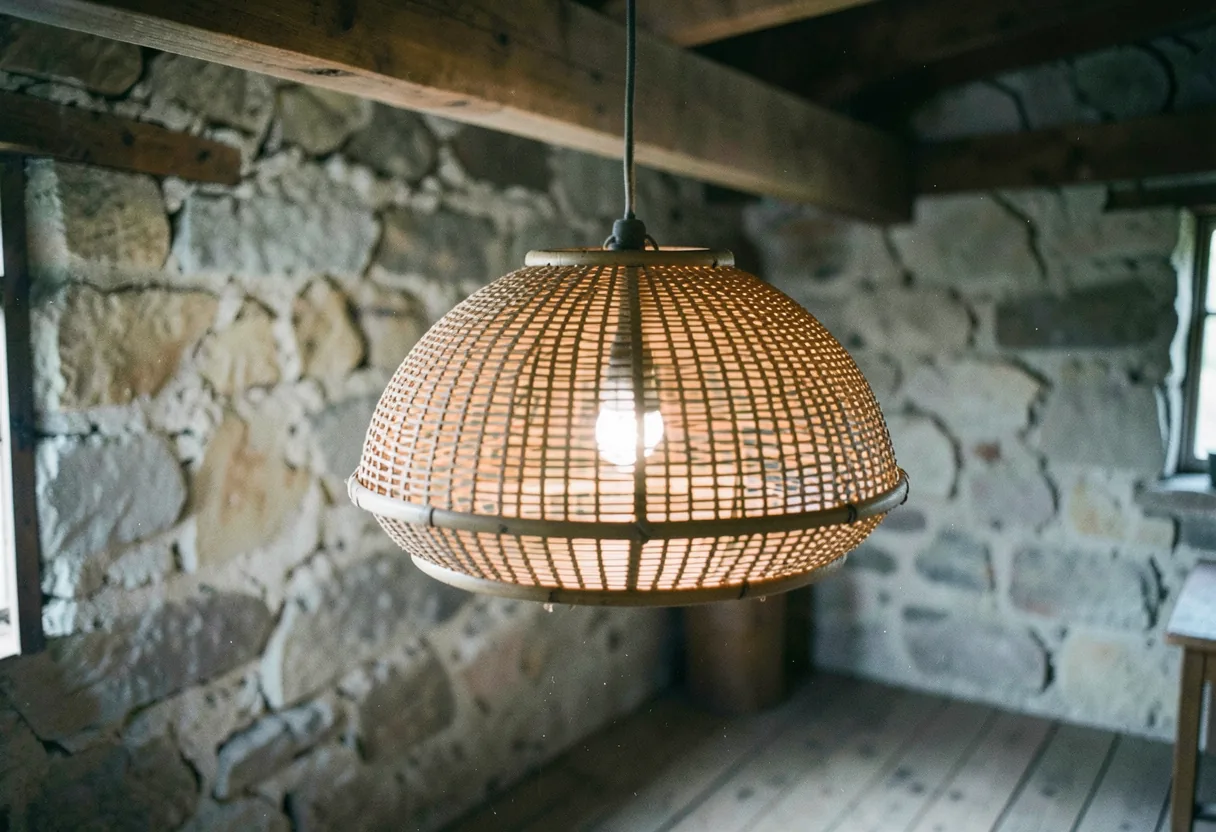
Bamboo lighting fixtures and lampshade DIY: Essential tools and materials
Beyond the bamboo itself, successful projects require specialized tools. Higashiyama sells starter kits with Japanese mokkiri knives (specifically the taimoku model for precise splits) and kanazawa planes designed to follow bamboo’s natural curvature. Their “Lighting Craft Bundle” includes:
- Pre-treated 3mm bamboo strips (60cm lengths)
- Rattan binding wire
- Non-toxic lacquer
- LED wire guides
For advanced projects, the shop recommends adding a maru-gata (round-shank) chisel for creating precise light-housing joints. While Western hardware stores sell generic bamboo strips, these lack the standardized dimensions needed for consistent light diffusion patterns.
Step-by-step: Creating a traditional Kyoto pagoda lamp
- Select 12 pre-treated bamboo strips (60cm x 3mm)
- Use the mokkiri knife to create 45-degree angles at 10cm intervals
- Bind the base with rattan wire, leaving a 5cm opening for the light fixture
- Layer strips in graduated heights (15cm, 20cm, 25cm, 30cm)
- Apply 3 coats of non-toxic lacquer, sanding lightly between coats
- Insert LED string lights through the wire guides
Comparing bamboo lighting options: Handmade vs. pre-fabricated
Kyoto bamboo shop Higashiyama reviews: What customers say about lighting projects
92% of lighting-project customers at Higashiyama rate their experience 4-5 stars, citing the shop’s free 30-minute consultations as particularly valuable. Reviewers note that the shop’s pre-cut strips reduce waste by 40% compared to working with raw bamboo. A common praise point is the staff’s ability to recommend specific bamboo species (like madake for its fine grain) based on light source type.
Negative reviews (8%) typically mention language barriers, though the shop now offers English project sheets. One reviewer praised the shop’s “unexpected solution” of using bamboo leaf patterns as templates for light diffusion designs, a technique they learned during a 2-hour workshop ($85 including materials).
Bamboo forest alternatives for sourcing materials
Advanced techniques: Creating textured bamboo lampshades
The Kyoto Bamboo Shop Higashiyama offers specialized workshops (¥12,000 for 3 hours) teaching advanced texturing techniques. One standout method involves using a kanna (Japanese plane) to create micro-grooves that refract light into prismatic patterns. The shop demonstrates this with their signature “Moonlight Weave” design, which uses overlapping strips of mosōchiku (timber bamboo) to create a starburst effect when backlit. This technique requires precise control of the plane’s blade angle (typically 15-20 degrees) and consistent pressure to avoid splintering.
For those interested in color, the shop provides natural dyes made from local ingredients like akane root (for red hues) and kurochikibumi (iron-rich clay for black). These dyes penetrate the bamboo’s nodes differently than synthetic alternatives, creating subtle gradient effects when multiple layers are applied. The shop’s “Autumn Foliage” lampshade project (¥7,500 including materials) combines texturing with dyeing to mimic Kyoto’s seasonal colors.
Bamboo lighting fixtures and lampshade DIY: Professional courses and certifications
For serious crafters, Kyoto Bamboo Shop Higashiyama partners with the Kyoto Traditional Crafts Center to offer a 10-day certification course (¥150,000). This program covers everything from sustainable harvesting practices to complex joinery techniques like the kumiko lattice method, originally developed for temple screens. The course includes field trips to the Arashiyama Bamboo Grove and demonstrations by fifth-generation artisans. Graduates receive certification recognized by the Japan Traditional Crafts Apartment.
For those unable to travel, the shop offers an online course through , covering basic techniques for $199. The platform provides pre-recorded video lessons and access to a digital library of project templates. While lacking hands-on instruction, the course includes live Q&A sessions with Higashiyama’s master artisans held twice monthly. The shop estimates that 70% of online students purchase their starter kits directly afterward.
Sustainability considerations for bamboo lighting projects
How to maintain and repair your bamboo lighting fixtures
Maintaining bamboo lighting fixtures requires regular cleaning and occasional repairs to ensure longevity. Dust the lampshades weekly with a soft brush to prevent buildup, and use a slightly damp cloth for deeper cleaning. Avoid soaking the bamboo, as excessive moisture can cause warping or mold growth. For repairs, the Kyoto Bamboo Shop Higashiyama recommends using their non-toxic lacquer to seal any splits or cracks, which helps maintain structural integrity. The shop also offers repair kits that include rattan binding wire and specialized bamboo glue for more extensive damage.
One common issue with bamboo lighting is the fading of natural dyes over time. To mitigate this, the shop suggests applying a UV-protective lacquer every two years. This not only preserves the color but also adds an extra layer of protection against humidity. For more complex repairs, such as re-binding the structure, the shop provides step-by-step guides and even offers virtual consultations to walk you through the process.
Incorporating bamboo lighting into modern interior design
Bamboo lighting fixtures can seamlessly blend into modern interior design, adding a touch of natural elegance to contemporary spaces. The Kyoto Bamboo Shop Higashiyama often collaborates with interior designers to create custom pieces that complement modern aesthetics. For example, their “Minimalist Bamboo Chandelier” features clean lines and a monochromatic color scheme, making it a perfect fit for modern living rooms and dining areas. The shop also offers bespoke services, allowing designers to specify the size, shape, and light diffusion patterns to match their clients’ preferences.
When integrating bamboo lighting into a modern design, consider the balance between natural and synthetic materials. Pairing bamboo lampshades with metal or glass fixtures can create a striking contrast, highlighting the unique texture and warmth of the bamboo. The shop’s “Industrial Bamboo Pendant” combines bamboo strips with black metal frames, offering a modern twist on traditional design. For a more cohesive look, use bamboo lighting in conjunction with other natural elements like wood furniture or stone accents.
Bamboo lighting fixtures and lampshade DIY: Professional courses and certifications
For serious crafters, Kyoto Bamboo Shop Higashiyama partners with the Kyoto Traditional Crafts Center to offer a 10-day certification course (¥150,000). This program covers everything from sustainable harvesting practices to complex joinery techniques like the kumiko lattice method, originally developed for temple screens. The course includes field trips to the Arashiyama Bamboo Grove and demonstrations by fifth-generation artisans. Graduates receive certification recognized by the Japan Traditional Crafts Apartment.
For those unable to travel, the shop offers an online course through , covering basic techniques for $199. The platform provides pre-recorded video lessons and access to a digital library of project templates. While lacking hands-on instruction, the course includes live Q&A sessions with Higashiyama’s master artisans held twice monthly. The shop estimates that 70% of online students purchase their starter kits directly afterward.
For serious DIY enthusiasts, Kyoto Bamboo Shop Higashiyama’s pre-treated materials save 15-20 hours of preparation per project while supporting traditional craft techniques. Their 30-day return policy on unused materials makes them the safest choice for beginners experimenting with bamboo lighting fixtures and lampshade DIY.
Frequently asked questions
What makes bamboo a sustainable choice for lighting fixtures?
Bamboo grows incredibly fast, up to 35 inches per day, and reaches maturity in 3-5 years, compared to hardwoods that take decades. Its rapid regrowth and carbon sequestration make it a top eco-friendly material. Plus, bamboo's natural strength and flexibility reduce the need for synthetic additives.
How do I prepare bamboo for DIY lampshade construction?
Start by selecting mature bamboo with a diameter of at least 2 inches. Cut it into lengths with a handsaw, then split it lengthwise. Soak the pieces in water for 24 hours to soften. Use sandpaper to smooth surfaces and remove any nodes, ensuring a clean finish for your design.
What tools are essential for crafting bamboo lighting fixtures?
A basic kit includes a handsaw, sandpaper, a drill, and a wood burner for sealing edges. For assembly, you'll need a hot glue gun, wire, and a lamp base kit. If working with larger pieces, a chisel helps shape intricate designs. Always wear gloves to protect against splinters.
Can bamboo lighting fixtures be waterproofed for outdoor use?
Yes, apply a coat of marine-grade varnish or linseed oil to protect against moisture. For extra durability, seal the bamboo with a waterproof epoxy resin. Ensure the lampshade is fully dry before exposure to outdoor elements. Regular maintenance every 6-12 months extends lifespan.