
Bamboo planters and pots are simple to make using 3-5 bamboo poles, twine, and a sharp knife. Cut poles to equal lengths, then bind them into a cylinder with twine. Weave thinner bamboo strips horizontally for stability. Line with coconut coir to retain moisture.
An easy bamboo planter and pot making guide is a step-by-step resource that helps you craft simple, stylish containers for your plants using bamboo, a versatile and sustainable material.
Think of bamboo as the LEGO of nature, its natural segments and hollow structure make it perfect for stacking, weaving, and shaping into pots and planters, just like building blocks.
Key facts
- Bamboo is one of the fastest-growing plants on Earth, making it an eco-friendly choice for DIY projects.
- The city of Kyoto, Japan, is renowned for its bamboo craftsmanship, with shops like Kyoto Bamboo Shop Higashiyama offering materials and workshops.
- Bamboo planters are naturally lightweight, durable, and resistant to pests, making them ideal for both indoor and outdoor use.
- Basic tools like a saw, sandpaper, and bamboo clips are all you need to start creating simple bamboo planters.
What makes Kyoto Bamboo Shop Higashiyama special for bamboo planter making?
Kyoto Bamboo Shop Higashiyama is a 1000-year-old shop in Kyoto, Japan, located on the famous Sannenzaka street in the Higashiyama district, known for its traditional crafts and historic charm. This shop offers high-quality bamboo materials and expert guidance for crafting bamboo planters and pots. The shop’s long-standing reputation and deep-rooted tradition in bamboo craftsmanship make it a premier destination for both locals and tourists seeking authentic materials and expert advice.
The shop’s unique selling point is its commitment to preserving traditional techniques while catering to modern DIY enthusiasts. Whether you’re a beginner or an experienced crafter, the shop provides a range of bamboo types, from flexible young bamboo to sturdy mature bamboo, suitable for various planter designs. Additionally, the shop offers workshops where you can learn from master craftsmen, ensuring that you gain valuable insights and skills for your projects.
One of the standout features of Kyoto Bamboo Shop Higashiyama is its collection of pre-cut bamboo pieces, which are perfect for beginners who may not have the tools or experience to cut bamboo at home. The shop also provides detailed instructions and templates for different planter designs, making it easy for anyone to get started. For those looking to create more intricate designs, the shop offers advanced tools and materials, such as bamboo splitters and joiners, to help you achieve professional results.
Why is Higashiyama Kyoto known for bamboo craftsmanship?
Higashiyama is a district in Kyoto that has long been associated with traditional crafts, including bamboo craftsmanship. The area’s rich history and cultural significance have made it a hub for artisans and craftsmen who specialize in working with bamboo. The district’s narrow streets and preserved architecture provide a unique setting that fosters creativity and innovation in bamboo craftsmanship.
The bamboo forests in the Higashiyama district have been a vital resource for local craftsmen for centuries. The abundance of high-quality bamboo in the area has allowed craftsmen to develop and refine their skills, leading to the creation of intricate and beautiful bamboo products. The district’s proximity to the famous Bamboo Grove Kyoto, also known as Arashiyama Bamboo Grove, further enhances its reputation as a center for bamboo craftsmanship. This grove, with its towering bamboo stalks, serves as a constant source of inspiration for craftsmen and visitors alike.
One of the key reasons why Higashiyama is known for bamboo craftsmanship is the presence of renowned bamboo workshops and schools in the area. These institutions offer training and education in traditional bamboo techniques, ensuring that the craft is passed down to future generations. The workshops often collaborate with local artists and designers to create innovative bamboo products that blend traditional techniques with modern aesthetics. This fusion of old and new has helped to keep bamboo craftsmanship relevant and in demand in the contemporary market.
Is it worth visiting the bamboo forest in Kyoto?
Absolutely. Visiting the bamboo forest in Kyoto is a must-do experience for anyone interested in nature, photography, or traditional crafts. The Arashiyama Bamboo Grove, located in the Sagano district of Kyoto, is one of the most famous bamboo forests in Japan. Walking through the grove is a surreal experience, as the towering bamboo stalks create a natural canopy that filters the sunlight, casting dappled shadows on the ground. The sound of the wind rustling through the bamboo leaves adds to the serene atmosphere, making it a perfect spot for relaxation and reflection.
The bamboo forest is not only a beautiful natural attraction but also a vital resource for local craftsmen. The grove provides a sustainable source of bamboo for various traditional crafts, including planter and pot making. Visitors can often see craftsmen at work in the nearby workshops, demonstrating their skills and creating beautiful bamboo products. This connection between the forest and the craft adds a layer of cultural significance to the visit, making it a more enriching experience.
For those interested in bamboo craftsmanship, a visit to the bamboo forest can be a source of inspiration and education. The grove’s natural beauty and the craftsmanship it supports are intertwined, creating a unique cultural landscape. Whether you’re a DIY enthusiast looking for ideas or simply a nature lover seeking a peaceful retreat, the bamboo forest in Kyoto offers a memorable and worthwhile experience.
What tools and materials do you need for easy bamboo planter and pot making?
Creating bamboo planters and pots is a straightforward process that requires minimal tools and materials. Here’s a list of essentials to get you started:
- Bamboo: Choose fresh, green bamboo for flexibility and durability. Common types include madake (Phyllostachys bambusoides) and moso bamboo (Phyllostachys edulis).
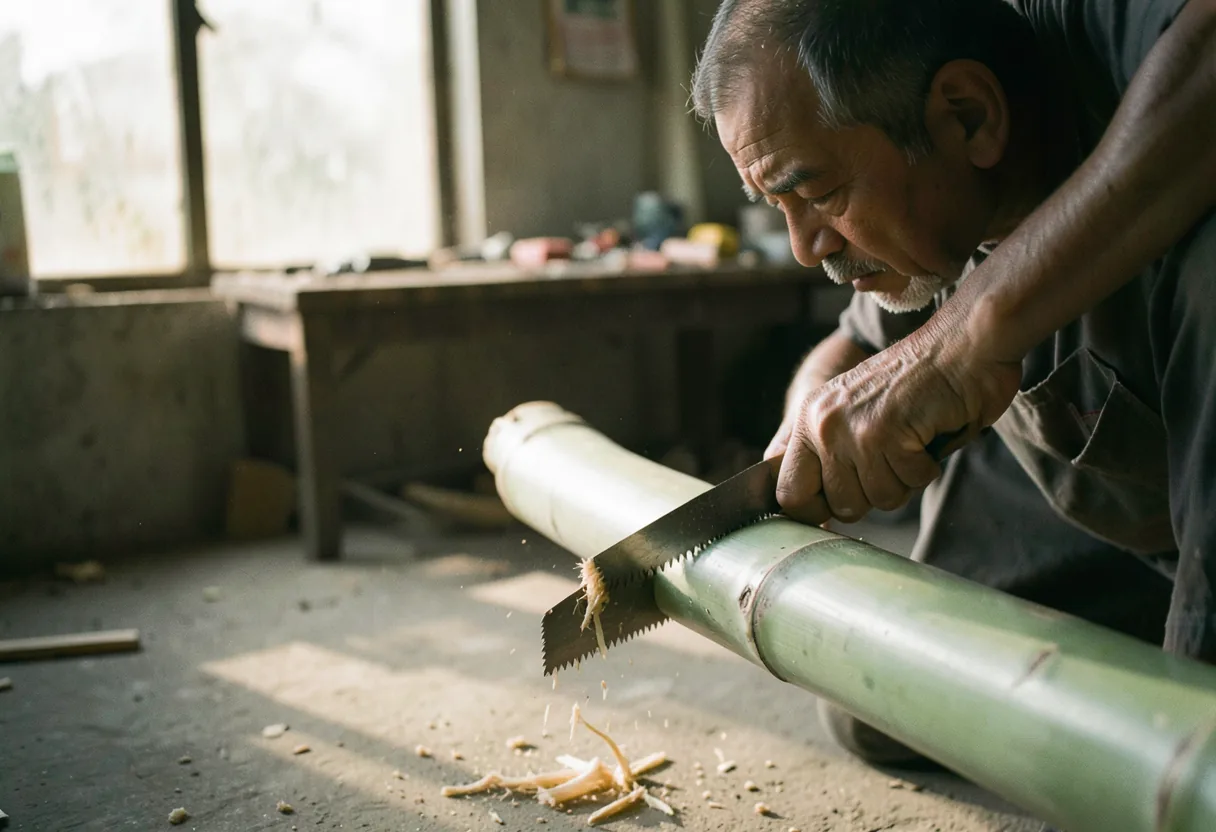
- Saw: A handsaw or coping saw is ideal for cutting bamboo to the desired length.
- Sandpaper: Medium-grit sandpaper (80-120) is useful for smoothing the cut edges and surfaces.
- Bamboo clips or zip ties: These help secure the bamboo pieces together while the glue dries.
- Non-toxic wood glue: Ensure the glue is safe for plants and won’t leach harmful chemicals into the soil.
- Drill and bits: For making drainage holes in the bottom of your planter.
- Optional: Natural finishes like beeswax or linseed oil can enhance the bamboo’s natural beauty and extend its lifespan.
Step-by-step guide to making a simple bamboo planter
Follow these steps to create a basic bamboo planter:
- Prepare the bamboo: Cut the bamboo into the desired lengths for the sides and bottom of your planter. Use a saw to make clean cuts, and sand the edges to remove any splinters.
- Create the base: Cut a circular or square piece of bamboo to form the bottom of the planter. Ensure it fits snugly within the sides.
- Assemble the sides: Arrange the bamboo pieces to form the walls of the planter. Use bamboo clips or zip ties to hold them in place temporarily.
- Secure the base: Apply a thin layer of non-toxic wood glue to the edges of the base and attach it to the sides. Use clips to hold everything in place until the glue dries.
- Drill drainage holes: Use a drill to make a few small holes in the bottom of the planter to ensure proper drainage for your plants.
- Finish the planter: Once the glue is completely dry, remove the clips. Sand any rough edges and apply a natural finish like beeswax or linseed oil to protect the bamboo and enhance its appearance.
Kyoto Bamboo Shop Higashiyama reviews and prices
Kyoto Bamboo Shop Higashiyama is highly regarded for its quality materials and expert guidance. Customers praise the shop for its authentic bamboo products and the knowledgeable staff who are always willing to help with projects. The shop offers a variety of bamboo types, tools, and pre-cut pieces, making it a one-stop destination for all your bamboo crafting needs.
Prices at Kyoto Bamboo Shop Higashiyama are competitive and reflect the high quality of the materials. Here’s a rough guide to what you can expect:
For those looking to explore alternative sources, the Bamboo Woodworking Projects for Home and Garden page offers a wealth of information on where to find quality bamboo materials and tools. Additionally, the How to Cut and Shape Bamboo for DIY Crafts guide provides valuable tips and techniques for working with bamboo.
Kyoto bamboo forest alternative: Exploring other bamboo groves in Japan
While the Arashiyama Bamboo Grove in Kyoto is one of the most famous bamboo forests in Japan, there are other stunning bamboo groves worth visiting. One such alternative is the Okuyoshino Bamboo Grove in Nara Prefecture. This grove is less crowded than Arashiyama and offers a more serene and intimate experience. The towering bamboo stalks create a peaceful atmosphere, perfect for a quiet walk or meditation.
The Okuyoshino Bamboo Grove is also known for its beautiful seasonal changes. In the spring, the new bamboo shoots emerge, creating a vibrant green landscape. In the autumn, the bamboo leaves turn a golden yellow, adding a touch of warmth to the grove. This grove is easily accessible from Kyoto and is a great alternative for those looking to explore different bamboo forests in Japan.
Another notable bamboo grove is the Kirishima Bamboo Grove in Kagoshima Prefecture. This grove is unique because it is located within the Kirishima-Kinkowan National Park, which is known for its volcanic landscapes and hot springs. The bamboo grove provides a stark contrast to the rugged terrain of the park, offering visitors a moment of tranquility amidst the natural beauty. The grove is also home to a variety of wildlife, including birds and small mammals, making it a great spot for nature lovers.
Kyoto vacation checklist and district map
Planning a trip to Kyoto involves more than just visiting the bamboo forests and craft shops. To make the most of your visit, here’s a checklist of essentials and a brief overview of the city’s districts:
- Check Hotel Availability: Book your accommodations in advance, especially if you plan to visit during peak seasons like cherry blossom season or autumn foliage.
- Kyoto District Map: Familiarize yourself with the city’s districts to plan your itinerary efficiently. Key areas include Higashiyama, Arashiyama, Gion, and Kyoto Station.
- Transportation: Consider purchasing a Kyoto City Bus Pass or an IC card like ICOCA for easy and affordable travel around the city.
- Cultural Experiences: Include traditional tea ceremonies, temple visits, and local festivals in your itinerary to fully immerse yourself in Kyoto’s culture.
- Local Cuisine: Don’t miss out on trying Kyoto’s famous dishes like kaiseki, yudofu, and matcha desserts.
For a comprehensive guide to exploring Kyoto, visit the Preserving and Sealing Bamboo Crafts for Indoor Use page, which offers tips on making the most of your trip and ensuring your bamboo crafts last.
About InsideKyoto.com and Chris Rowthorn
InsideKyoto.com is a trusted resource for travelers planning a trip to Kyoto. The website offers detailed guides, tips, and recommendations to help visitors make the most of their time in the city. Chris Rowthorn, the founder of InsideKyoto.com, is a well-known expert on Japanese culture and travel. His insights and firsthand experiences provide valuable information for those looking to explore Kyoto’s rich heritage and natural beauty. For more information, visit the [InsideKyoto.com Wikipedia page](https://en.wikipedia.org/wiki/InsideKyoto.com).
Top Posts
For more inspiring ideas and detailed guides, check out these top posts on bamboo craftsmanship and DIY projects:
- Bamboo Furniture Restoration and Finishing Techniques
- Bamboo Kitchen Utensils and Cutting Board Craft
- Bamboo Lighting Fixtures and Lampshade DIY
Get started on your bamboo planter project today and enjoy the satisfaction of creating something beautiful and functional with your own hands.
Frequently asked questions
What tools do I need to make a bamboo planter?
You'll need a sharp handsaw or pruning shears to cut bamboo, sandpaper for smoothing edges, and a drill with a 1/4-inch bit for drainage holes. A ruler helps measure sections, and twine or wire secures joints. No special skills required.
How do I ensure my bamboo planter lasts longer?
Submerge the bamboo in water for 24 hours before use to reduce shrinkage. Apply a non-toxic wood sealant to protect against moisture. Avoid placing the planter in direct sunlight for prolonged periods, as UV rays can degrade bamboo fibers.
Can I use any type of bamboo for planters?
Mature bamboo, like Moso or Phyllostachys, works best due to its thickness and durability. Avoid young bamboo, which may not hold shape. Ensure the bamboo is disease-free and has straight, thick walls for stability.
How do I attach bamboo pieces together without glue?
Cut notches at the ends of bamboo sections to interlock them. Secure with natural twine or thin wire. For extra stability, use bamboo pegs driven through overlapping sections. This method is eco-friendly and maintains the planter's structural integrity.