
Bamboo’s rapid growth makes it eco-friendly. Start with simple projects like bamboo plant markers or outdoor blinds. For durability, use treated bamboo for garden trellises or fences. A bamboo birdhouse requires basic tools and skills. Always sand bamboo to prevent splinters.
Bamboo woodworking projects for home and garden leverage the fast-growing, renewable grass that’s stronger than oak yet flexible like wicker, perfect for DIY enthusiasts and sustainable crafters alike.
Think of bamboo as nature’s ultimate building block: it’s the rebar of the plant world, ready to be bent, woven, or carved into anything from a delicate garden trellis to a sturdy kitchen island, much like how steel beams frame a skyscraper but also shape delicate filigree.
Key facts
- Bamboo grows up to 3 feet in 24 hours under ideal conditions, making it one of the fastest-growing plants on Earth.
- The Kyoto Bamboo Shop Higashiyama specializes in bamboo woodworking projects for home and garden, offering workshops and pre-cut materials for DIY crafters.
- Bamboo’s tensile strength is comparable to steel, with a higher strength-to-weight ratio, making it ideal for structural projects.
- Bamboo contains natural antimicrobial properties, called bamboo kun, which makes it resistant to bacteria and insects.
Simple bamboo woodworking projects for home and garden
Start with straightforward projects that require minimal tools and experience. A basic bamboo room divider, for example, can be crafted using bamboo poles tied together with natural fiber rope. The Kyoto Bamboo Shop Higashiyama offers pre-cut bamboo poles and step-by-step guides for beginners, making it easy to create functional and decorative pieces. For wall decor, consider weaving bamboo strips into a geometric pattern and staining them with eco-friendly dyes. The natural variation in bamboo’s color adds depth and texture, turning a simple project into a statement piece.
Another easy project is a bamboo coat rack. Using 4-6 bamboo poles, sand them smooth and attach them to a wooden backboard. The poles can be arranged horizontally or vertically, depending on your aesthetic preference. For added durability, seal the bamboo with a clear, water-based finish. This project not only adds a touch of natural elegance to your entryway but also provides a practical solution for organizing coats and bags.
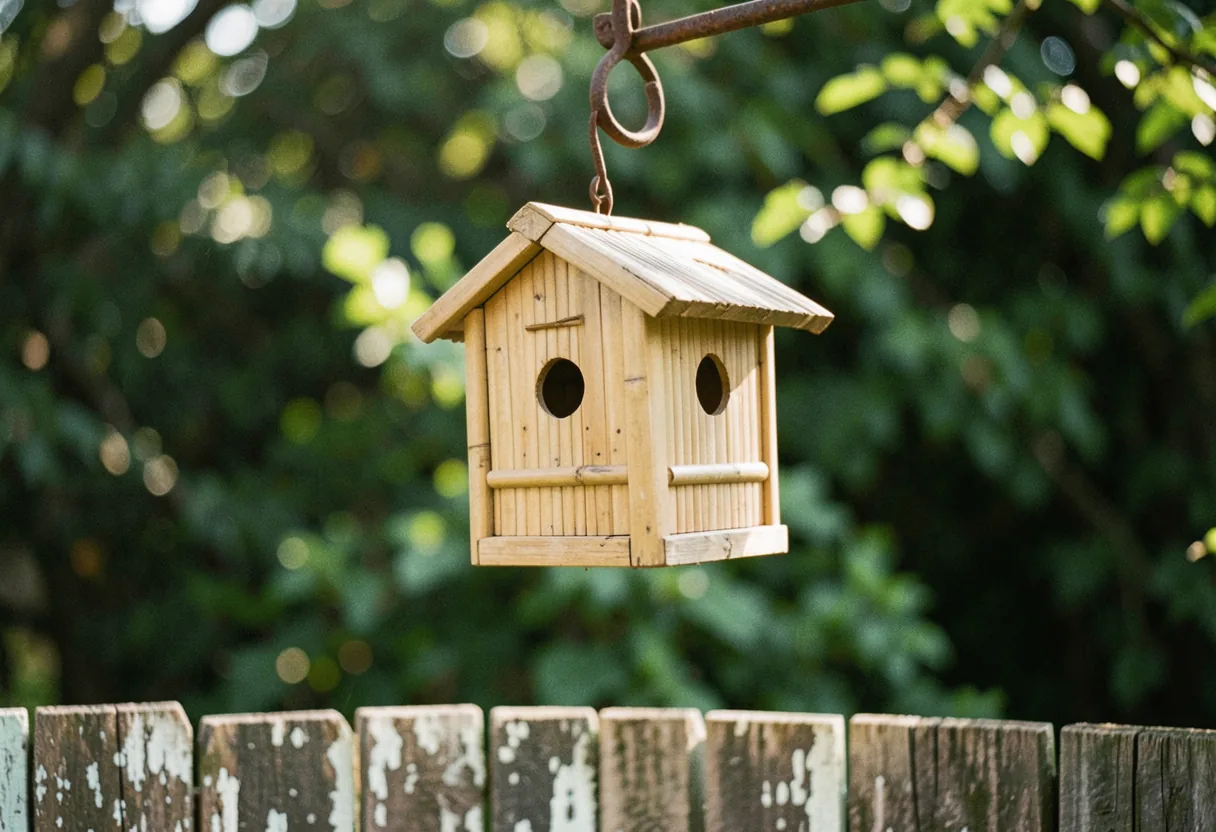
Easy bamboo woodworking projects for home and garden
For those looking for even simpler projects, consider making bamboo garden edging. Cut bamboo poles into 12-inch lengths and insert them into the ground along the edges of your garden beds. This not only defines your garden space but also adds a rustic charm. Another easy project is a bamboo planter. Use a hollow bamboo stem as a pot for small plants or herbs. The natural drainage holes in the bamboo make it perfect for succulents and other drought-tolerant plants.
Bamboo kitchen utensils are another great project. Carve bamboo into spoons, spatulas, or chopsticks using basic woodworking tools. The natural antimicrobial properties of bamboo make these utensils hygienic and long-lasting. For a more advanced project, consider building a bamboo coffee table. This involves joining bamboo poles together to form a stable base and attaching a glass or bamboo top. The Kyoto Bamboo Shop Higashiyama offers detailed tutorials and material kits for this project, ensuring a professional finish.
Small bamboo projects
Small bamboo projects are perfect for beginners or those with limited space. A bamboo bird feeder, for example, can be made by drilling holes into a bamboo stem and filling it with birdseed. Hang it from a tree branch, and you’ll have a simple yet effective bird feeder in no time. Another small project is a bamboo wind chime. Cut bamboo poles into different lengths and hang them with strings or wires. The varying lengths create a soothing sound when the wind blows, adding a calming element to your garden.
Bamboo bookmarks are another small project that can be made using thin strips of bamboo. Sand the edges smooth and add a decorative touch with paint or engraving. These make great gifts and are a practical way to incorporate bamboo into your daily life. For a fun and educational project, consider making bamboo kites. Weave bamboo strips into a kite frame and cover it with lightweight fabric. This project is not only enjoyable but also teaches the principles of aerodynamics.
Bamboo projects for kids
Engage children in bamboo crafting with simple and safe projects. A bamboo stamping activity, for example, involves cutting bamboo into short sections and using them as stamps. Dip the cut ends in paint and press them onto paper to create unique patterns. This activity is not only fun but also helps develop fine motor skills. Another project is a bamboo marble run. Use bamboo skewers and a cardboard base to create a track for marbles. This project encourages creativity and problem-solving skills.
For older kids, consider making a bamboo xylophone. Cut bamboo poles into different lengths and suspend them with strings. Each length produces a different musical note when struck with a mallet. This project combines music and science, making it both educational and entertaining. Always supervise children when using tools and ensure they wear safety gear.
Bamboo projects ideas
For those looking for inspiration, the Kyoto Bamboo Shop Higashiyama offers a variety of project ideas and materials. Their website features a gallery of completed projects, from intricate bamboo furniture to simple decorative items. They also provide video tutorials and downloadable guides, making it easy to find a project that suits your skill level and interests. Consider joining their online community to share your creations and get feedback from fellow crafters.
Another great resource is the book “Bamboo Craft: A Comprehensive Guide” by Jane Wilson. This book offers detailed instructions and inspiration for a wide range of bamboo projects, from traditional Japanese crafts to modern DIY ideas. It’s a valuable resource for anyone looking to explore the versatility of bamboo. For a more hands-on experience, consider enrolling in a bamboo woodworking workshop. The Kyoto Bamboo Shop Higashiyama offers workshops for all skill levels, providing expert guidance and access to high-quality materials.
What can you make with bamboo Minecraft
In the virtual world of Minecraft, bamboo can be used to create a variety of in-game items and structures. Players can craft bamboo items such as bamboo fences, bamboo doors, and bamboo traps. These items not only add a unique aesthetic to your Minecraft world but also serve practical purposes, such as creating secure enclosures or decorative elements. The game’s bamboo biome offers an abundance of resources for players to experiment with different projects.
For those looking to expand their Minecraft bamboo projects, consider creating a bamboo village. Design houses and structures using bamboo blocks, and add details like bamboo scaffolding and bamboo trapdoors. This project not only enhances the visual appeal of your Minecraft world but also provides a fun and creative challenge. Additionally, players can use bamboo to create custom maps and adventure challenges, adding a new dimension to their gaming experience.
Bamboo Craft ideas for school project
Bamboo crafting is an excellent way to incorporate hands-on learning into school projects. A bamboo compost bin, for example, teaches students about sustainability and the importance of recycling organic waste. Use bamboo poles to create a simple bin and line it with a biodegradable bag. This project not only promotes environmental awareness but also provides a practical solution for managing kitchen waste.
Another educational project is a bamboo rain gauge. Cut a bamboo pole into a long, narrow tube and mark measurements on the side. Place it in the garden to measure rainfall over time. This project helps students understand weather patterns and the water cycle. For a more advanced project, consider building a bamboo greenhouse. This involves creating a frame using bamboo poles and covering it with plastic sheeting. Students can grow plants and observe their growth cycles, learning about botany and environmental science.
Bamboo Art
Bamboo has been a medium for art for centuries, particularly in East Asian cultures. Traditional bamboo art includes woven baskets, screens, and furniture. The Kyoto Bamboo Shop Higashiyama specializes in preserving these traditional techniques while also encouraging modern interpretations. For example, contemporary artists use bamboo to create sculptures and installations, blending traditional craftsmanship with modern design.
One notable artist is Shou Choku, a Japanese bamboo artist known for his innovative techniques and intricate designs. His work often combines traditional weaving methods with modern aesthetics, resulting in stunning pieces that push the boundaries of bamboo art. The Kyoto Bamboo Shop Higashiyama features works by Shou Choku and other renowned artists, providing inspiration for those looking to explore bamboo as an art medium.
Fun and Easy DIY Bamboo Products
Creating DIY bamboo products can be a fun and rewarding experience. A bamboo room divider, for example, can be made by arranging bamboo poles in a lattice pattern and securing them with natural fiber rope. This project not only adds privacy to a room but also serves as a decorative element. For a more functional project, consider making a bamboo coffee table. Use bamboo poles to create a stable base and attach a glass or bamboo top. The Kyoto Bamboo Shop Higashiyama offers detailed tutorials and material kits for this project, ensuring a professional finish.
Another fun project is a bamboo lampshade. Weave bamboo strips into a cylindrical shape and attach it to a light fixture. The natural texture of bamboo adds a warm and inviting glow to any room. For a more whimsical project, consider making a bamboo wind chime. Cut bamboo poles into different lengths and hang them with strings or wires. The varying lengths create a soothing sound when the wind blows, adding a calming element to your garden.
Bamboo Woodworking Projects for Home and Garden
The Kyoto Bamboo Shop Higashiyama offers a wide range of bamboo woodworking projects for home and garden. Their website features a gallery of completed projects, from intricate bamboo furniture to simple decorative items. They also provide video tutorials and downloadable guides, making it easy to find a project that suits your skill level and interests. Consider joining their online community to share your creations and get feedback from fellow crafters.
For those looking to explore bamboo woodworking further, the Kyoto Bamboo Shop Higashiyama offers workshops and courses. These workshops provide expert guidance and access to high-quality materials, ensuring a successful and enjoyable experience. Whether you’re a beginner or an experienced crafter, there’s a bamboo woodworking project for you.
- Choose a project that matches your skill level and interests.
- Gather the necessary materials and tools.
- Follow the step-by-step instructions provided in the tutorial or guide.
- Take your time and enjoy the process. Bamboo crafting is a relaxing and rewarding hobby.
- Share your creations with others and get feedback from fellow crafters.
Start with simple projects like a bamboo bird feeder or bookmark, then gradually move on to more complex ones like a bamboo coffee table or lampshade. The Kyoto Bamboo Shop Higashiyama offers a wide range of materials and tools, making it easy to find everything you need for your projects.
Frequently asked questions
What is the famous street in Higashiyama?
The famous street in Higashiyama is Sanneizaka. This historic slope street is lined with traditional wooden buildings, souvenir shops, and tea houses, offering a glimpse into Kyoto's past. It's particularly known for its preserved Edo-period atmosphere and is a popular spot for visitors.
What is the 1000 year old shop in Kyoto?
Kyoto's oldest shop is Nishiki Warai, established in 1001. Located in the Nishiki Market area, this shop specializes in traditional Japanese sweets and snacks. Its longevity is a testament to Kyoto's rich culinary history and the enduring appeal of its traditional crafts.
Is it worth going to the bamboo forest in Kyoto?
Yes, the Arashiyama Bamboo Grove is absolutely worth visiting. This serene forest of towering bamboo stalks creates a unique and tranquil atmosphere. It's best visited early in the morning to avoid crowds and to experience the peaceful, almost surreal environment.
What is Higashiyama Kyoto known for?
Higashiyama Kyoto is known for its well-preserved traditional streets, historic temples, and cultural heritage. Highlights include Kiyomizu-dera Temple, the Jodoji Temple, and the historic streets of Sannenzaka and Ninenzaka. It offers a rich experience of Kyoto's traditional architecture and lifestyle.